By Miles Sinclair
Updated November 2026
The right grind size for French press is coarse, roughly the texture of sea salt or coarse sand. A coarse grind lets water flow through the grounds evenly, and it keeps fine particles from slipping past the metal filter into your cup. Get this one variable right and most bitter, muddy, or weak French press coffee problems go away.
Why Coarse Grind Works in a French Press
A French press steeps coffee grounds in water for about four minutes, then separates them with a mesh plunger. Because the grounds sit submerged the whole time, extraction speed depends mostly on surface area. Fine grounds expose too much surface, pulling out bitter compounds quickly and leaving a sludgy cup. Coarse grounds extract more slowly and cleanly, giving you body and sweetness without harshness.
Shopping for one? See our guide: Top 6 French Press Coarse Grind Coffees Compared (2026).
How to Dial In Your Grind
Start with a coarse setting on your grinder and brew with a ratio of about 1:15 (60 grams of coffee to 900 grams of water). Use water just off the boil, around 200°F. Follow these steps:
- Set your burr grinder to its coarsest or second-coarsest setting.
- Grind 30 grams of coffee and add it to the press.
- Pour in 450 grams of water, stir gently, and place the lid with the plunger pulled up.
- Steep for four minutes, then press slowly and pour immediately.
- Taste and adjust one step at a time: finer if the cup tastes weak or sour, coarser if it tastes bitter or muddy.
Tools You Need for Consistent Results
Consistency matters more than any single setting, so a few tools make a real difference:
- A burr grinder, which produces uniform particles. Blade grinders create a mix of boulders and dust.
- A kitchen scale, so you can measure coffee and water by weight.
- A timer for the four-minute steep.
- A French press with a fine mesh filter that seals well at the edges.
Common Mistakes to Avoid
- Grinding too fine. Fine powder clogs the filter, makes the plunge hard, and leaves grit in the cup.
- Using pre-ground coffee labeled for drip or espresso. Those grinds are usually too fine.
- Plunging too fast. Press slowly over about 20 to 30 seconds to avoid stirring up fines.
- Letting coffee sit in the press after plunging. Pour everything out to stop over-extraction.
- Changing several variables at once. Adjust only the grind when troubleshooting.
Recommended Gear
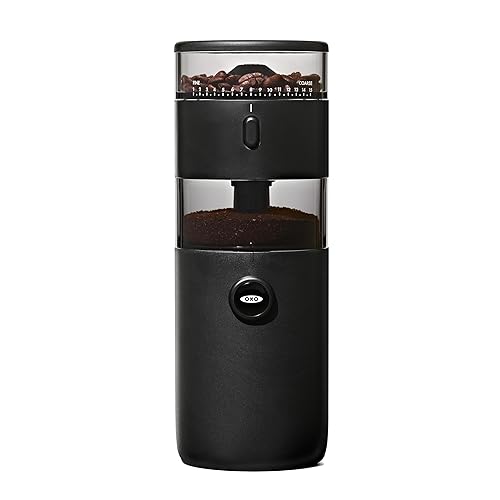
- A burr grinder helps you produce the even coarse particles a French press needs. View on Amazon
- A digital kitchen scale keeps your ratio consistent from brew to brew. View on Amazon
For more on matching grind to method, see Coffee Grind Size by Brew Method: A Practical Chart and Coffee Grinders and Grind Size: A Practical Guide.
FAQ
Can I use a blade grinder for French press?
You can, but results are less consistent. Blade grinders produce a mix of fine dust and large chunks, which leads to uneven extraction. A burr grinder gives much better control.
Why is my French press coffee gritty?
Grit usually means the grind is too fine or the plunge was too fast. Try a coarser setting and press more slowly.
How coarse should French press coffee be?
Aim for a texture similar to coarse sea salt. Particles should be visibly distinct, not powdery.
Conclusion
Coarse grounds, a steady ratio, and a four-minute steep are the core of good French press coffee. Adjust your grind in small steps based on taste, and change one variable at a time. With a consistent setup, your cup will improve quickly.
Related reading
- Best Coffee Grind Size for French Press: A Step-by-Step Guide
- Proper Grind for French Press Coffee: A Step-by-Step Guide
- How to Use a French Press: Grind, Steep, Plunge
Ready to choose one?
About Miles Sinclair
Miles Sinclair is part of our editorial team and reviews and edits our coffee beans & brewing methods guides, checking product details against manufacturer specifications and owner feedback.