By Miles Sinclair
Updated November 2026
Cold brew usually lasts about 7 to 14 days in the fridge, depending on whether it is brewed concentrate or ready-to-drink, how airtight the container is, and whether any milk, cream or sweetener has been added. Ready-to-drink cold brew without dairy tends to be best within the first week, while concentrate kept sealed and cold can hold its quality closer to two weeks.
Why Cold Brew Lasts Longer Than Hot Coffee
Cold brew is steeped in cool or room-temperature water for 12 to 24 hours, which extracts flavor more slowly and produces a smoother, less acidic cup. Because it is never heated, it avoids the quick oxidation that makes hot coffee taste flat within an hour or two. Cold also slows bacterial growth, which is why refrigeration is the key to extending its life.
Shopping for one? See our guide: Cold Brew vs Iced Coffee (2026): Which Is Better for You?.
Still, cold brew is not shelf-stable. It is a water-based liquid with plenty of organic material from the grounds, so it can spoil, and it will lose aroma and sweetness steadily even when it stays safe to drink.
Factors That Change How Long It Keeps
Several details decide where your batch falls within that 7 to 14 day window:
- Concentrate vs. ready-to-drink: Concentrate is diluted before drinking, so it is usually more stable per ounce. Once you dilute it with water or ice, treat it as a fresh drink.
- Dairy and sweeteners: Milk, half-and-half, cream and flavored syrups shorten shelf life. Add them only to the portion you plan to drink, and keep that portion refrigerated.
- Container: A tightly sealed glass or food-grade plastic jar limits air exposure. Loose lids let flavors fade and invite contamination.
- Fridge temperature: Keep the fridge at 40°F (4°C) or below. Store cold brew on a shelf, not the door, where temperatures swing more.
- Hygiene: Dirty utensils or pitchers introduce bacteria that shorten the life of the batch.
How to Make Your Cold Brew Last
- Strain the grounds fully. Leftover particles keep extracting and can turn the liquid bitter.
- Cool the brew in the fridge before sealing it, so condensation does not build up inside the lid.
- Store it in a clean, airtight glass container and label it with the date you made it.
- Keep it at the back of a middle or lower shelf, away from strong-smelling foods.
- Dilute only what you plan to drink within a day or two. Do not pour and return unused liquid to the main jar.
- If you add milk, use it within 24 to 48 hours and discard leftovers.
Signs Your Cold Brew Has Gone Bad
Trust your senses over the calendar. Discard cold brew if you notice any of the following:
- A sour, fermented, or vinegary smell instead of a rich coffee aroma
- Visible mold, cloudiness that is new, or floating specks
- A slimy texture or an unusually fizzy feel
- Flavor that is harsh, moldy or sharply sour rather than just flat
Flat or slightly weaker cold brew is usually just stale, not unsafe. Anything that looks, smells or tastes off should go down the drain.
What We’d Use
A wide-mouth glass pitcher with a tight-fitting lid is an easy way to store concentrate or batch brew without picking up odors. View on Amazon
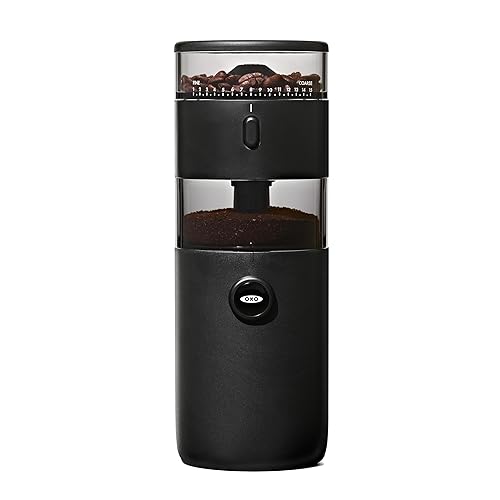
For brewing a larger batch, a dedicated cold brew maker with a fine mesh filter makes straining simple, which helps your coffee stay clean and keep longer. View on Amazon
FAQ
Can I freeze cold brew to make it last longer?
Yes. Freezing in airtight containers or ice cube trays keeps cold brew for several months with only minor loss of aroma. Thaw it in the fridge and use it within a day.
Does cold brew go bad faster than iced coffee?
Not necessarily. Cold brew often keeps a little longer because it was never heated and is typically less acidic, but iced coffee made with hot brewed coffee and added milk can spoil faster.
Is it safe to drink cold brew that is a few days past the date I wrote?
If it still smells, looks and tastes normal, it is usually fine within the typical range. If you have a health condition or are pregnant and are unsure, check with your doctor before drinking questionable food or drink.
Related reading
- What Is Concentrated Cold Brew Coffee and How Do You Use It?
- What Is Cold Brew Nitro Coffee? How It Works and Why It Tastes Different
- What Is Cold Brew Coffee? How It Differs From Iced Coffee
- What Is Caramel Cold Brew M&M? Flavor, Ingredients and How to Make It
Ready to choose one?
About Miles Sinclair
Miles Sinclair is part of our editorial team and reviews and edits our coffee beans & brewing methods guides, checking product details against manufacturer specifications and owner feedback.