By Audrey Hayes
Updated November 2026
Learning how to store coffee beans for freshness comes down to four things: limit air, block light, keep moisture out, and avoid temperature swings. Do those well and your beans will hold their aroma and flavor for weeks rather than days. This guide walks through each step so you can set up a storage routine that works for a daily brewer or someone with a single bag.
Start With the Right Container
Oxygen is the main enemy of roasted coffee. Once the bag is open, the beans begin to oxidize, and the oils that carry flavor turn stale. Choose an airtight container made of opaque material such as ceramic, stainless steel, or dark-tinted glass. Clear containers let light in, and light speeds up flavor loss.
Shopping for one? See our guide: How to Crush Coffee Beans: 5 Best Grinders for Home Brewers (2026).
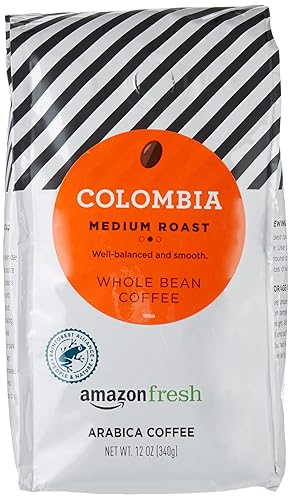
Many roasters package beans in bags with a one-way degassing valve. That valve lets carbon dioxide escape without letting oxygen in. If you keep beans in the original bag, press out as much air as you can and fold the top tightly, or clip it shut. Once you move beans to a jar, pick one just large enough to hold the coffee, since less empty space means less trapped air.
Control Temperature and Moisture
Keep beans at normal room temperature, away from the stove, dishwasher, oven, and sunny windows. Heat drives off aromatic compounds, and repeated temperature changes cause condensation when a cold bag warms up.
The refrigerator and freezer are often recommended, but they cause more problems than they solve for most people. Each time you open a cold container, moisture condenses on the beans. The beans can absorb odors from other foods, and their flavor can flatten. If you must freeze beans, portion them into small, airtight bags, remove as much air as possible, freeze them, and thaw only what you need. Do not refreeze them after thawing. Keep the coffee in a cool, dry cabinet for everyday use.
Buy and Store in Smaller Amounts
- Check the roast date on the bag. Buy beans roasted within the last few weeks when you can.
- Store whole beans, not pre-ground coffee. Ground coffee loses flavor far faster because more surface area meets the air.
- Divide large bags into two or three smaller containers. Open only one at a time, leaving the rest sealed.
- Label each container with its roast date so you know when to start the next one.
- Grind just before brewing. Grinding right before you brew preserves the most aroma.
Common Mistakes to Avoid
- Storing beans in a clear jar on the counter near a window.
- Keeping beans in the refrigerator and taking them out repeatedly.
- Leaving the bag open or folded loosely after each scoop.
- Buying large quantities you cannot use before they go stale.
- Grinding a full day’s worth of coffee in advance.
Recommended Gear
An airtight canister with a rubber seal makes daily use easier. Look for one labeled as a coffee storage canister, which usually has a valve or a tight lid.
A small burr grinder lets you grind only what you need, which protects freshness better than buying pre-ground coffee.
For more on how long beans stay good, see How Long Are Coffee Beans Good For? A Practical Freshness Guide. If you buy in larger quantities, Bulk Coffee Beans 50 Lbs: How to Buy, Store and Use Them Well covers handling a big bag. You can also review How to Preserve Coffee Beans: 7 Steps to Keep Them Fresh Longer for more methods, and How Much Coffee Beans Per Cup: A Simple Ratio Guide for Home Brewers to plan how much to open at a time.
FAQ
Is it better to store coffee beans in the fridge or freezer?
For everyday use, a cool, dark cabinet is the simplest choice. Freezing can preserve beans for longer if you portion them into small, airtight bags and thaw only what you need.
How long do stored coffee beans stay fresh?
Whole beans are typically at their best within a few weeks of the roast date, and they keep acceptable flavor for a while longer if sealed and stored properly. Ground coffee goes stale much faster.
Should I keep coffee beans in the original bag?
The original bag works well if it has a one-way valve and you press out the air and seal it tightly. Once the bag is opened and hard to reseal, transfer the beans to an airtight container.
Conclusion
To store coffee beans for freshness, keep them airtight, opaque, dry, and at room temperature. Buy in amounts you can use within a few weeks, and grind only what you need right before brewing. A consistent routine like this will keep your cup tasting the way it should.
Ready to choose one?
About Audrey Hayes
Audrey Hayes is part of our editorial team and reviews and edits our coffee beans & brewing methods guides, checking product details against manufacturer specifications and owner feedback.