By Miles Sinclair
Updated November 2026
The drip brew coffee to water ratio most home brewers start with is 1:16, meaning 1 gram of coffee for every 16 grams of water. Once you measure by weight, you can adjust that number to make a cup that tastes brighter, richer or sweeter. This guide walks through the steps to dial it in.
Start With the 1:16 Ratio
A 1:16 ratio is a dependable baseline for most drip coffee. For a standard 12-cup brew using 60 grams of ground coffee, you would use about 960 grams of water. For a single 12-ounce mug, use roughly 22 grams of coffee and 350 grams of water. Weighing both ingredients on a kitchen scale is more consistent than scooping, because the same volume of coffee can vary a lot in weight depending on roast and grind.
Shopping for one? See our guide: 7 Best Coffee to Water Ratio French Press: Picks Compared (2026).
Adjust the Ratio to Match Your Taste
Once your baseline brew is done, change one variable at a time so you can tell what caused the difference.
- Too weak or sour: Use more coffee, moving toward 1:15 or 1:14. Stronger ratios extract more body and sweetness.
- Too bitter or harsh: Use less coffee, moving toward 1:17 or 1:18, or grind a little coarser.
- Flat with no clear flavor: Check water temperature before changing the ratio. Aim for 195°F to 205°F.
Match Grind Size and Water Temperature to Your Ratio
Ratio alone does not control extraction. Grind size and water temperature change how quickly flavor leaves the grounds. A medium grind, similar to coarse sand, suits most automatic drip machines. If you use a manual pour-over, a finer or coarser grind will shift how the cup tastes at the same ratio. Heat water to the range above, and avoid boiling water, which can scorch grounds and taste harsh.
Quick Reference Table
| Cup size | Coffee (grams) | Water (grams) |
|---|---|---|
| 8 oz mug | 15 | 240 |
| 12 oz mug | 22 | 350 |
| 12-cup pot | 60 | 960 |
Step-by-Step Brewing Checklist
- Weigh your coffee and water before you start.
- Grind beans just before brewing, using a medium grind.
- Rinse the paper filter with hot water to remove papery taste and preheat the carafe.
- Add grounds evenly to the filter and level the bed.
- Pour water slowly over the grounds, or let the machine run its full cycle.
- Taste the cup and adjust one variable on your next brew.
Common Mistakes
- Measuring coffee by volume instead of weight, which leads to inconsistent results.
- Using water that is too hot or not hot enough.
- Changing the ratio, grind and temperature all at once, which makes problems hard to trace.
- Using stale pre-ground coffee, which weakens flavor no matter the ratio.
Recommended Gear
- Digital kitchen scale with a timer: Weighing both coffee and water is the simplest way to repeat a good brew. View on Amazon
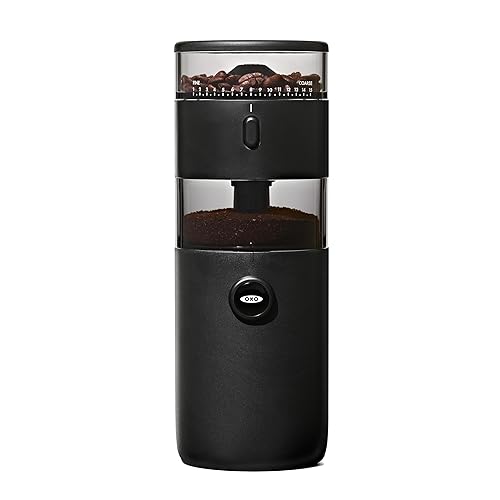
- Burr grinder: A consistent grind makes the ratio easier to control than blade grinders produce. View on Amazon
For more detail on measuring and dialing in, see Coffee to Water Ratio Drip: A Step-by-Step Guide for Better Brews and Coffee-to-Water Ratios: Measuring for Each Method. If your cups taste off, How to Brew Better Coffee at Home: Ratio, Water, Taste covers the other variables to check.
FAQ
Is 1:16 the best drip coffee ratio?
It is a common starting point, not a universal rule. Many brewers settle between 1:15 and 1:17 based on the beans and their taste preferences.
Can I use tablespoons instead of a scale?
You can, but results will vary because tablespoons measure volume, not weight. A scale gives more consistent cups from one brew to the next.
Why does my drip coffee taste sour even at a good ratio?
Sourness often means under-extraction, which can come from a grind that is too coarse, water that is too cool, or a brew that finishes too quickly. Try a slightly finer grind or a stronger ratio.
Conclusion
Start with 1:16 by weight, then adjust the ratio in small steps while keeping grind and temperature steady. Taking notes on each brew will show you the exact settings that suit your beans and your taste.
Related reading
Ready to choose one?
About Miles Sinclair
Miles Sinclair is part of our editorial team and reviews and edits our coffee beans & brewing methods guides, checking product details against manufacturer specifications and owner feedback.