 By Miles Sinclair
Updated November 2026
Most people spend their energy on beans, grinders and drippers, but the best water for pour over coffee matters just as much. Water makes up roughly 98 percent of your cup, so its mineral content, pH and taste shape every note you extract. This guide covers five options that fit different needs, from a reliable filtered-water kettle setup to mineral-enhanced brewing water made for specialty coffee. Our selection criteria were mineral balance, suitability for extraction, consistency, ease of use and owner feedback patterns. We did not test these products ourselves; the comparisons draw on manufacturer specifications and common owner reports.
Our top picks at a glance
- 1
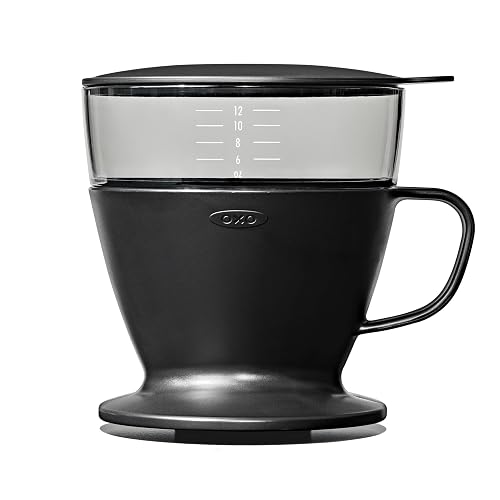 TOP CHOICEBest overallOXO Brew Pour Over Coffee Maker with Water TankView on Amazon
- 2
 TOP CHOICEBest for home brewers who want a balanced cupCrystal Geyser One Gallon Bottle, Alpine 100% Natural Spring WaterView on Amazon
- 3
 TOP CHOICEBest for small kitchensAcqua Panna Natural Spring Water, 11.15 FL OZ Plastic Water Bottles (24 Count)View on Amazon
- 4
 Best budget pickCosori Gooseneck Electric Kettle with Temperature Control, 0.8L, BlackView on Amazon
- 5
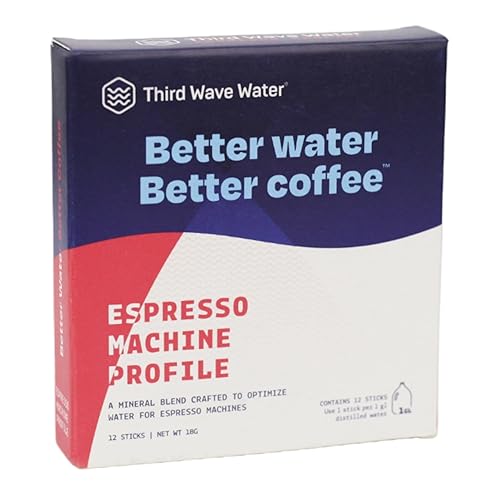 Best for specialty coffeeThird Wave Water Mineral Enhanced Coffee Brewing Water, Espresso ProfileView on Amazon
Our Top Picks
| Product | Best for | Key feature |
|---|---|---|
| OXO Brew Pour Over Coffee Maker with Water Tank | All-in-one daily brewing | Built-in water tank and brewing station |
| Crystal Geyser Alpine Natural Spring Water | Balanced everyday brewing | Natural spring source, bottled at the source |
| Acqua Panna Natural Spring Water | Small kitchens and single cups | Single-serve bottles that limit waste |
| Cosori Gooseneck Electric Kettle | Controlled pour-over technique | Temperature control with gooseneck spout |
| Third Wave Water Espresso Profile | Specialty coffee enthusiasts | Mineral packets for custom water |
OXO Brew Pour Over Coffee Maker with Water Tank
OXO Brew Pour Over with Water Tank — Pour Over Coffee Maker OXO Brew Pour Over Coffee Maker with Water Tank — Matte Black
Best for: All-in-one daily brewing
This suits someone who wants a single appliance to handle water storage and pour-over brewing without juggling a separate kettle and tank setup.
Key specs
- Matte black finish
- Pour-over coffee maker with an integrated water tank
Pros
- Keeps water and brewing in one footprint
- Simple to refill and reuse daily
- Consistent water flow for routine brewing
Cons
- Less control over pour speed than a manual gooseneck kettle
- Limited for experimenting with precise water temperature
Bottom line: A good choice for people who want convenience and steady daily results without a lot of setup.
Crystal Geyser One Gallon Bottle, Alpine 100% Natural Spring Water
Crystal Geyser One Gallon Bottle, Alpine 100% Natural Spring Water, 1 Gallon bottle (128oz), Bottled at The Source
Best for: Balanced everyday brewing
Ideal for brewers who want a neutral, unflavored starting point and do not want to manage filters or mineral additives.
Key specs
- One gallon (128 oz) bottle
- 100% natural spring water, bottled at the source
Pros
- Large volume covers many brews
- Clean, neutral taste that lets bean character show
- No setup required
Cons
- Mineral content is not adjustable
- Plastic bottles add waste over time
Bottom line: Pick this if you want a dependable, neutral water source for regular home brewing.
Acqua Panna Natural Spring Water, 11.15 FL OZ Plastic Water Bottles (24 Count)
Acqua Panna Natural Spring Water, 11.15 FL OZ Plastic Water Bottles (24 Count)
Best for: Small kitchens
Works well for brewers with limited storage who prefer grab-and-go portions for single cups.
Key specs
- 24 count of 11.15 fl oz bottles
- Natural spring water
Pros
- Portion sizes suit single-serve brewing
- Compact to store
- Consistent packaging for repeat use
Cons
- Small bottles can be costly per cup when brewing regularly
- Plastic packaging is less sustainable
Bottom line: A practical pick for a compact kitchen or occasional single-cup brewing.
No Plastic Contact with Water, 5 Presets, 60-Min Keep Warm, Pour Over Coffee & Tea, Stainless Steel Interior, 1200W Cosori Gooseneck Electric Kettle with Temperature Control, 0.8L, Black
Cosori Gooseneck Electric Kettle with Temperature Control, 0.8L, Black | No Plastic Contact with Water, 5 Presets, 60-Min Keep Warm, Pour Over Coffee & Tea, Stainless Steel Interior, 1200W
Best for: Budget-minded brewers
Fits people who want control over water temperature and pour rate without spending heavily on specialty equipment.
Key specs
- 1200W, 0.8L capacity
- Five temperature presets and 60-minute keep-warm function
- Stainless steel interior, gooseneck spout
Pros
- Preset temperatures help hit the typical pour-over range
- Gooseneck spout allows controlled, even pouring
- Stainless interior avoids plastic contact with water
Cons
- Smaller capacity than full-size kettles
- Keep-warm may not hold exact temperatures precisely
Bottom line: A strong option if you want temperature and pour control at a sensible level.
Third Wave Water Mineral Enhanced Coffee Brewing Water, Espresso Profile
Third Wave Water Mineral Enhanced Coffee Brewing Water, Espresso Profile, 0.635 oz, presentation vary.
Best for: Specialty coffee
Aimed at enthusiasts who want to build water from distilled or low-mineral sources to a defined profile.
Key specs
- 0.635 oz mineral packet
- Espresso profile formulation
Pros
- Gives a repeatable mineral starting point
- Useful for dialing in extraction and flavor
- Small packet is easy to store
Cons
- Requires measuring with distilled or RO water
- Profile is built for espresso and may need adjustment for pour-over
Bottom line: Best for brewers willing to work with water chemistry for consistent specialty results.
Buying Guide
Mineral content
Minerals, mainly calcium and magnesium, carry flavor and help extract compounds from grounds. Water with almost no minerals can taste flat and produce thin cups, while very hard water can cause harsh bitterness and scale. Many specialty brewers aim for a moderate total dissolved solids level, though exact targets vary by method and roast.
Good picks for this: Third Wave Water Espresso Profile, Crystal Geyser Alpine Natural Spring Water
Taste and odor
Brew water should taste clean. Chlorine, sulfur or strong odors will carry into the cup. Smell and taste water before brewing, and avoid anything that tastes off, because it will show up in your coffee.
Good picks for this: Acqua Panna Natural Spring Water, Crystal Geyser Alpine Natural Spring Water
Temperature control
Water temperature affects extraction. Many home guides recommend a range around 195–205°F, and a kettle with precise control makes it easier to stay in that band. A gooseneck spout also helps with even saturation.
Good picks for this: Cosori Gooseneck Electric Kettle, OXO Brew Pour Over Coffee Maker with Water Tank
Capacity and fit
Match capacity to how much you brew. Single cups need little volume, while households making several cups benefit from larger reservoirs. Check footprint against your counter space.
Good picks for this: Acqua Panna Natural Spring Water, OXO Brew Pour Over Coffee Maker with Water Tank
Use case and brewing style
Daily home brewing favors convenience and consistency. Specialty or experimental brewing favors control over minerals and temperature. Decide which matters more before choosing between bottled water and a mineral-building product.
Good picks for this: Third Wave Water Espresso Profile, Crystal Geyser Alpine Natural Spring Water
Durability and materials
Look for stainless or food-grade interiors that resist corrosion and avoid leaching. Kettles with well-sealed bases and simple lids tend to be easier to keep clean. Owners often report that interior scale is the main maintenance issue, so descaling matters.
Good picks for this: Cosori Gooseneck Electric Kettle, OXO Brew Pour Over Coffee Maker with Water Tank
Care and cleaning
Descale kettles and reservoirs regularly, following manufacturer instructions. Rinse bottled-water containers and keep them sealed. Replace any mineral additive by the expiration date on its packaging.
Good picks for this: OXO Brew Pour Over Coffee Maker with Water Tank, Cosori Gooseneck Electric Kettle
FAQ
What is the best water for pour over coffee?
There is no single answer for everyone. Many brewers start with a neutral, low-chlorine water with moderate minerals. Specialty brewers often build water to a specific profile. Try a few options and keep notes on taste.
Is distilled water good for pour over?
Distilled water has almost no minerals, which often produces flat, thin cups. Many brewers add mineral packets or blend it with a mineral-containing water to improve flavor and extraction.
What temperature should water be for pour over?
Many guides suggest roughly 195–205°F. Adjust based on roast level and your taste. Lighter roasts often benefit from hotter water, while darker roasts may taste better slightly cooler.
Can I use tap water?
You can if it tastes clean and has no chlorine or strong odor. Filtered tap water is a common choice. If your tap water is very hard or very soft, results may vary, so a filter or mineral additive may help.
Does bottled water make a difference?
It can. Mineral content and taste differ between brands, so the right bottled water depends on what you like. Try a neutral spring water first and compare it with your tap water.
Should I use a kettle with temperature control?
For consistent results, a kettle with temperature presets or a gooseneck spout gives you more control over water heat and pour rate. It is a helpful upgrade if you brew often.
Conclusion
The best water for pour over coffee depends on your goals. For an all-in-one daily setup, the OXO Brew Pour Over Coffee Maker with Water Tank is convenient. For a neutral, everyday water source, Crystal Geyser Alpine Natural Spring Water is a dependable start. Acqua Panna suits small kitchens and single cups. The Cosori Gooseneck Electric Kettle helps with temperature and pour control on a budget. Brewers who want to build water chemistry will find the Third Wave Water Espresso Profile useful. Start with the option that matches your brewing habits, then adjust based on taste.
Sources
- Drinking water quality guidance, including information on chlorine, minerals and taste in household water (epa.gov)
- Water hardness and mineral content information for U.S. water sources (usgs.gov)
- Standards and certifications for drinking water filtration and treatment (nsf.org)
Before you buy: helpful guides
Related reading
- 7 Best Water Kettles for Pour Over Coffee in 2026: Picks Compared
- Best Coffee Scales for Pour-Over and Espresso: 4 Scales Compared
- What Do You Pour Over an Irish Coffee? Best Answers and Why
About Miles Sinclair
Miles Sinclair is part of our editorial team and reviews and edits our coffee beans & brewing methods guides, checking product details against manufacturer specifications and owner feedback.


