 By Miles Sinclair
Updated November 2026
Trader Joe’s cold brew coffee concentrate is a practical choice for people who want a smooth, low-acid coffee base they can dilute at home without a brewing setup. It suits anyone who drinks iced coffee several times a week, values convenience, and is comfortable adjusting strength with water or milk. It is a weaker fit for shoppers who want a fully ready-to-drink bottle, those who expect a bold espresso-style finish, or anyone who needs a precisely labeled roast and origin profile. This review covers what the product is, what it does well, where it falls short, and how it stacks up against two widely available alternatives. Because this is a research-based review, the observations below draw on the product description and common owner feedback patterns rather than hands-on testing.

Trader Joe's Cold Brew Coffee Concentrate 2 Pack
Product Overview
This listing is for a two-pack of Trader Joe’s Cold Brew Coffee Concentrate. Cold brew concentrate is a coffee extract made by steeping coarsely ground coffee in cold water for many hours, then straining it. Unlike hot-brewed coffee, the cold process extracts a different balance of compounds, which is why cold brew tends to taste smoother and less acidic. Concentrate is brewed at a higher strength than a finished drink, so it is meant to be diluted before drinking.
The main appeal here is versatility. A concentrate can be poured over ice with water or milk, used as a base for lattes, or mixed into cocktails and desserts. Because you control the dilution, the same bottle can produce a light afternoon drink or a strong morning cup. The two-pack format means you can keep a backup on hand, which matters for anyone who goes through concentrate quickly.
Trader Joe’s is a private-label grocery chain, so this product is sold under its own brand rather than by a major coffee roaster. Shoppers should therefore judge it on taste, texture and value for the format rather than on the reputation of a specialty roastery. For background on how this style of coffee is made, see What Is Concentrated Cold Brew Coffee and How Do You Use It? and What Is Cold Brew Coffee? How It Differs From Iced Coffee.
Key Features & Specifications
| Feature | Details |
|---|---|
| Product type | Cold brew coffee concentrate (dilute before drinking) |
| Format | Two-pack of bottled concentrate |
| Brew method | Cold steeping, then straining |
| Serving method | Dilute with water, milk or other liquid over ice or hot |
| Storage | Keep refrigerated after opening, per typical concentrate guidance |
| Sweetener | Unsweetened concentrate; add sugar or syrup to taste |
The table lists only what the product format clearly establishes. Exact bean origin, roast level and caffeine content per bottle vary by batch and are best confirmed on the packaging or the current listing before you buy, especially if you track caffeine closely.
Pros & Cons
Pros
- Smooth, low-acid profile typical of well-made cold brew concentrate.
- Flexible strength: you decide how strong each drink is by changing the water ratio.
- Two-pack format reduces how often you need to restock.
- Works for iced coffee, lattes, and mixed drinks.
- Convenient alternative to brewing a batch at home.
Cons
- Requires dilution and some measuring; it is not a grab-and-drink product.
- Flavor can taste flat or muted if diluted too heavily.
- Once opened, the shelf life is shorter than shelf-stable alternatives.
- Limited public detail on origin and roast compared with specialty brands.
- Not ideal for anyone who wants a strong, espresso-like punch.
Performance Analysis
Performance for a concentrate depends mostly on dilution. Cold brew concentrate is typically much stronger than a ready-to-drink coffee, so the usual starting point is a 1:1 ratio with water or milk for a medium-strength iced coffee. Owners of concentrates in general often report that a 1:2 or 1:3 ratio gives a lighter, more refreshing cup, while 1:1 yields a bolder drink closer to a regular iced coffee. The right ratio is a matter of preference, so it helps to start at 1:1 and adjust by a quarter-cup at a time.
Texture is one of the more consistent strengths of cold brew in general. Because it is extracted without heat, it tends to feel silkier and carry less bitterness than hot-brewed coffee. Feedback on this style of concentrate commonly mentions a clean finish, though the perceived sweetness and body will shift depending on how much milk or sugar you add. If you find a cup tastes sour or thin, the cause is often under-dilution or under-extraction in the brewing step, not the product itself. For troubleshooting patterns, see Why Is My Cold Brew Iced Tea Bitter or Weak? 6 Causes and Fixes.
Shelf life is the main practical limit. Once opened, concentrate should be refrigerated and used within the window stated on the package. Many owners of concentrates recommend using the bottle over a few days rather than storing it for weeks, since flavor fades and oxidized notes can develop. For a step-by-step approach to using a concentrate without waste, read Cold Brew Concentrate Trader Joe's: How to Use It Right (Step-by-Step).
Who Should Buy This Product?
This concentrate suits people who drink iced coffee regularly and want to skip the overnight steeping at home. It also works well for households that share coffee, since one bottle can produce several drinks of different strengths. If you like making lattes or coffee-based desserts, the concentrate gives you a strong, consistent base.
It is a weaker choice if you want a coffee that is ready to drink straight from the bottle, or if you prefer a dark, bold roast with a pronounced chocolate or nutty finish. Those shoppers may be happier with a bottled ready-to-drink product or with whole beans brewed to their own taste. Anyone monitoring caffeine should also check the label, since concentrate strength means each serving can contain more caffeine than a standard cup if you pour generously.
Buying Guide
When comparing cold brew concentrates, start with the format. Concentrates give you control and lower cost per drink, while ready-to-drink bottles give you convenience. Next, check the ingredient list for added sugar or flavorings, since the unsweetened style is the most flexible. Look for the packaging date or best-by information, and plan to finish an opened bottle within the stated window. If you plan to use the concentrate in hot drinks, confirm that the product is intended for that use, since some are designed mainly for iced coffee.
Several well-known alternatives are worth considering. The Starbucks cold brew concentrate in the Signature Black style is an unsweetened, 100% Arabica option sold in a multi-serve bottle, and it is a useful comparison point if you want a familiar café flavor profile:
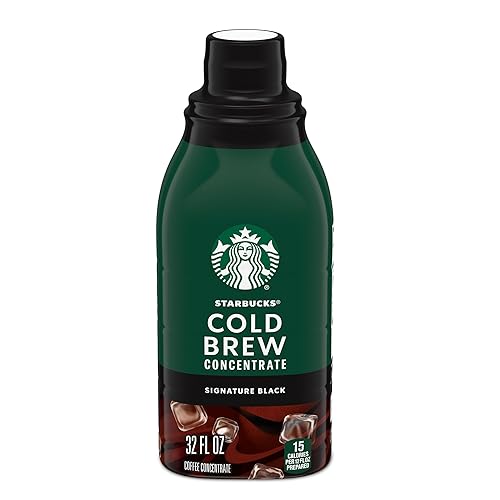
Starbucks100% Arabica cold brew concentrate; Signature Black, unsweetened; mix with water; 32 fl oz multi-serve bottle Cold Brew Coffee Concentrate Signature Black, 32 fl oz Bottle
View on Amazon. The Califia Farms Pure Black Medium Roast cold brew is a shelf-stable, plant-based option made with 100% Arabica, which suits people who want a bottle that stores longer before opening:

Califia Farms Pure Black Medium Roast Cold Brew Coffee, 32 Oz (Pack of 6), 100% Arabica, Shelf Stable, Plant Based, Vegan, Gluten Free, Non GMO, Sugar Free, Iced Coffee
View on Amazon. If you prefer to make your own concentrate, you can also learn the method in Toddy for Cold Brew: A Step-by-Step Guide to Smooth Batches.
For bean choice if you brew at home, see Which Beans for Cold Brew Coffee Work Best? A Practical Guide.
FAQ
Is Trader Joe’s cold brew concentrate ready to drink?
No. It is a concentrate, so it should be diluted before drinking. Most people start with a 1:1 mix of concentrate and water or milk over ice, then adjust to taste.
How do I dilute it for the best flavor?
Begin at 1:1 for a standard iced coffee. If the drink tastes too strong, add more water in small amounts. Owners of concentrates often prefer 1:2 for a lighter cup.
Does it need to be refrigerated?
Keep it refrigerated after opening, following the instructions on the package. Refrigeration helps preserve flavor and slows spoilage.
How long does an opened bottle last?
Use the timeframe stated on the label. Many concentrates are best used within a few days of opening for the freshest taste.
Can I drink it hot?
Cold brew concentrate can be diluted with hot water, but the flavor profile is designed mainly for cold drinks. Check the package for any hot-serving guidance.
Does it contain a lot of caffeine?
Concentrates are stronger than brewed coffee, so caffeine per serving depends on how much you dilute. Check the label for caffeine information and be mindful of total intake. If you have health concerns or take medications that interact with caffeine, consult a healthcare professional.
Is it a good value compared with brewing at home?
For many people, a concentrate is a convenient middle ground: less work than steeping at home, more control than a ready-to-drink bottle. Whether it is a better fit depends on how often you drink it and how much time you want to spend preparing it.
Final Verdict
Trader Joe’s cold brew concentrate is a sensible, flexible choice for anyone who wants smooth iced coffee without the overnight steep. Its strengths are the low-acid texture, the adjustable strength, and the convenience of a two-pack. Its limitations are the need to dilute, a shorter window after opening, and limited detail on origin and roast. If you want a concentrate you can tune to your taste and you are comfortable measuring, it is worth a look. If you want a bold, ready-to-drink coffee or detailed sourcing information, one of the alternatives above may serve you better.
Ready to try it? View on Amazon
Before you buy: helpful guides
About Miles Sinclair
Miles Sinclair is part of our editorial team and reviews and edits our coffee beans & brewing methods guides, checking product details against manufacturer specifications and owner feedback.


