 By Miles Sinclair
Updated November 2026
Peet’s Coffee espresso beans are a dark, bold roast built for people who want a heavy-bodied shot with deep chocolate and roasted notes and who brew mostly on an espresso machine or a stovetop moka pot. This 32-ounce bag of Espresso Forte suits households that go through a lot of coffee and like a shot that stands up to milk. It is a poor fit for anyone who prefers bright, fruity or floral espresso, since the dark roast tends to mute origin character. Buyers who want a lighter, sweeter shot or a very low-acid cup should look at medium roasts instead.

Peet's Coffee Whole Bean Coffee, Dark Roast, Espresso Forte, 32 Ounces
Product Overview
Peet’s Coffee has been roasting in the dark, full-bodied style since its founding in Berkeley, California, and its espresso line reflects that house profile. This listing is Whole Bean Coffee in the Dark Roast category, sold under the Espresso Forte name, and it comes in a 32-ounce bag. The product is aimed at buyers who want a robust, smoky-sweet base for straight espresso, cappuccinos and lattes.
Because the beans are whole, freshness depends on grinding just before brewing. Grinding at home lets you control dose and particle size, which matters a great deal for espresso. The bag size makes this a practical option for a household or a small office that goes through coffee quickly. The roast is dark enough that it tends to brew consistently across a range of grind settings, which makes it forgiving for newer home baristas.
Key Features & Specifications
The table below lists only the details that appear in the product name or that the manufacturer states clearly. Confirm anything else on the current Amazon listing before you buy.
| Feature | Detail |
|---|---|
| Brand | Peet’s Coffee |
| Product type | Whole bean coffee |
| Roast level | Dark roast |
| Blend name | Espresso Forte |
| Net weight | 32 ounces |
| Intended use | Espresso, moka pot, and milk-based drinks |
| Grind | Whole bean (grind at home) |
Dark roasts like this one generally produce lower perceived acidity and more body than lighter roasts, which is why they are common in espresso blends. Manufacturers of dark espresso blends typically recommend a fine, consistent grind and a short extraction time for straight shots. Check the bag for a roast date, since freshness has a large effect on crema and sweetness. For another angle, check out Ascaso Espresso Coffee Machine: Buyer's Guide and Setup Tips.
Pros & Cons
Pros
- Dark, full-bodied profile that holds up well in milk drinks.
- Large 32-ounce bag reduces how often you need to reorder.
- Whole bean format lets you control grind size for espresso or moka pot.
- Forgiving roast that tends to brew consistently across small grind adjustments.
- Recognizable house style for buyers who already like Peet’s dark roasts.
Cons
- Dark roast masks origin character, so fruit and floral notes are limited.
- Oils can build up over time on dark beans, which may affect grinder performance.
- Whole bean means you need a quality grinder to get the most from it.
- Not a good match for drinkers who want a light, bright or highly acidic cup.
Performance Analysis
Because this review is based on the listing specifications and the patterns that owners commonly describe for Peet’s dark espresso blends, the performance picture is more about what the roast tends to do than about exact shot numbers. Owners of dark espresso roasts often report a thick, heavy body and a chocolate-and-roast flavor profile. Many say the beans pull well in a standard double shot and pair easily with steamed milk, which is the main reason dark blends remain popular for lattes.
A typical starting point for a double espresso shot is about 18 grams of ground coffee pulled to roughly 36 grams of liquid over 25 to 30 seconds. Dark roasts are more soluble and can run fast, so you may need a finer grind than you would use for a medium roast. If your shot runs under 20 seconds and tastes sour or thin, go finer. If it takes over 35 seconds and tastes bitter or harsh, go coarser.
Water temperature matters too. Many baristas target about 90 to 94 degrees Celsius (roughly 195 to 201 degrees Fahrenheit) at the group head for dark roasts, since slightly cooler water helps reduce bitterness. Freshness is the other big variable. Dark beans degrade in flavor and crema within a few weeks of roasting, so buying a bag you can finish reasonably soon and storing it in an airtight container away from heat and light will give you the best results. Consider your own grinder and machine when judging results, because a burr grinder that produces consistent particles will make a larger difference than any small change in the beans.
For moka pot brewing, the dark roast extracts easily and produces a strong, syrupy cup. Use a medium-fine grind and avoid pressing the grounds down, which can cause over-extraction. For drip or pour-over, the same beans will taste heavier and more roasty, so a coarser grind and slightly lower dose can help keep the cup balanced.
Who Should Buy This Product?
This bag makes the most sense for home espresso drinkers who prefer dark, chocolatey shots and who make a lot of milk drinks. It also suits households that brew multiple cups a day and want a large bag to reduce reorders. People who own a burr grinder and a steady espresso or moka setup will get the most out of it, because they can dial in the grind and keep the flavor consistent.
You should skip this product if you want bright, fruity or floral espresso, or if you prefer a light-bodied cup. It is also a weaker choice if you do not have a grinder, since pre-ground or poorly ground coffee will not show the best of a whole bean roast. Anyone sensitive to dark-roast bitterness may find lighter blends more pleasant.
Buying Guide
When you shop for espresso beans, start with the roast level. Dark roasts like this Peet’s Espresso Forte offer body, sweetness from caramelization and low acidity. Medium espresso roasts give more balance and sometimes a bit more origin character. Light roasts highlight fruit and florals but are harder to dial in on basic home machines. If you are still deciding between formats, the guide on Coffee Beans vs Espresso Beans (2026): Which Is Better for Your Brew? explains how the labels differ and what to expect.
Check the roast date on the bag. Freshly roasted beans, ideally within a few weeks, will taste sweeter and produce better crema. Look for a one-way valve and buy a size you can use within a month or so after opening. The article Freshly Roasted Coffee Beans for Espresso: 5 Best Picks Compared (2026) covers what to look for in fresh-roast labeling.
Consider whether you want a single-origin or a blend. Blends like Espresso Forte are designed to be consistent and balanced, which suits milk drinks. If you are curious about how espresso blends are constructed, the guide Espresso Blend Coffee Beans: How to Choose and Brew a Great Shot is a useful companion read.
Here are a few well-known alternatives to compare:
- Lavazza Espresso Whole Bean Coffee, Medium Roast, 100% Arabica, 2.2 lb Bag – a medium roast with a smoother, more mellow profile than a dark blend. Good for drinkers who want less roast intensity.
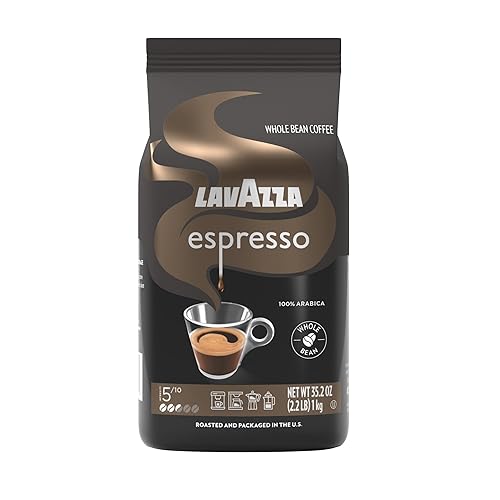
Lavazza Espresso Whole Bean Coffee, Medium Roast, 100% Arabica, 2.2 lb Bag
- Lavazza Espresso Barista Gran Crema Whole Bean Coffee Blend, Medium Espresso Roast, 2.2 LB Bag – a medium espresso roast designed for café-style shots and milk drinks, with a balanced body that sits between light and dark.
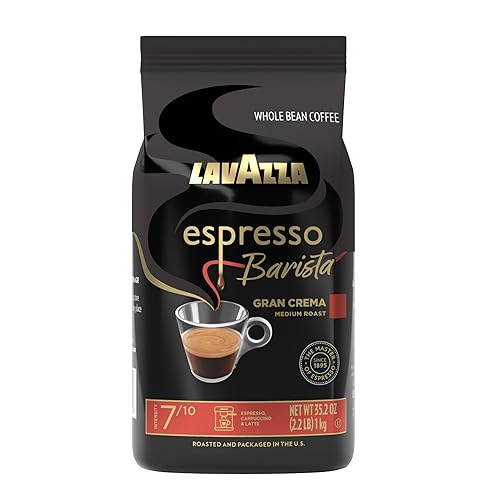
Lavazza Espresso Barista Gran Crema Whole Bean Coffee Blend, Medium Espresso Roast, Oz Bag (Packaging May Vary) – 2.2 LB, 35.2 Ounce
If you want to explore beyond this category, the article What Is the Best Coffee Beans for Espresso? 6 Top Picks (2026) compares a wider range of options, and Peet’s Coffee Italian Roast: A Brewing Guide for a Bold, Smoky Cup covers another dark Peet’s roast if you want to compare profiles.
FAQ
Are Peet’s Coffee espresso beans very dark?
Yes. The Espresso Forte listing is in the dark roast category, which means the beans are roasted longer than medium blends. Expect a heavy body, roasted and chocolate notes, and lower acidity.
Can I use these beans in a regular drip coffee maker?
You can, but the flavor will be heavier and more roasty than a typical drip blend. Use a coarser grind and a slightly lower dose to keep the cup from tasting harsh.
What grind size should I use for espresso?
Start fine, roughly like table salt or slightly finer, and adjust based on shot time. Aim for a double shot to take about 25 to 30 seconds. Dark roasts often need a finer grind than medium roasts.
How should I store a 32-ounce bag?
Keep it sealed in an airtight container away from heat, light and moisture. Avoid the refrigerator, where condensation can affect the beans. Once opened, aim to use the coffee within a few weeks for the best flavor.
Is this a good choice for milk drinks?
Dark espresso blends like this one are often chosen for lattes and cappuccinos because the bold body and roasty sweetness stand up to milk. Drinkers who prefer a lighter milk-drink flavor may prefer a medium espresso roast.
Does dark roast have more caffeine?
Not necessarily. Roasting reduces the mass of the bean, so by weight the difference is small, and by volume darker beans can be slightly lower. Measure by weight rather than volume if caffeine is a concern.
Should I consult a professional about caffeine intake?
If you have a heart condition, are pregnant, or take medications that interact with caffeine, consult a doctor or pharmacist before changing your intake.
Final Verdict
Peet’s Coffee Espresso Forte: Worth It for Dark Roast Lovers
Peet’s Coffee Espresso Forte is a solid, dependable choice for home drinkers who want a dark, full-bodied espresso base for shots and milk drinks. The large bag, whole bean format and forgiving roast make it practical for daily use. It is less suited to anyone who wants bright, fruity or delicate flavors, or who lacks a grinder. If your palate leans toward dark roasts, this is a strong candidate. If it does not, consider one of the medium espresso alternatives above.
Before you buy: helpful guides
- Lavazza Super Crema Coffee Beans: A Buyer's and Brewing Guide
- Coffee Beans from Mexico: A Buyer's and Brewing Guide for 2026
- Dark Chocolate Espresso Coffee Beans: How to Choose and Brew Them Well
- Lavazza Super Crema Espresso Coffee Beans: A Practical Guide (2026)
- Starbucks Coffee Espresso Beans: A Step-by-Step Guide to Brewing Better Shots
About Miles Sinclair
Miles Sinclair is part of our editorial team and reviews and edits our coffee beans & brewing methods guides, checking product details against manufacturer specifications and owner feedback.


