As an Amazon Associate I earn from qualifying purchases. This page may contain affiliate links.
Single origin coffee beans come from one farm, cooperative or growing region, which means the flavor in the cup reflects a specific place rather than a blend. If you want to taste the bright citrus of an Ethiopian lot or the chocolate sweetness of a Peruvian bean, this list is a practical starting point. We compared the six whole bean options below using manufacturer specifications, brand reputation and common patterns in owner feedback. Each pick is judged on origin clarity, roast level, flavor direction and how well it suits everyday home brewing.
Our Top Picks
Quick Comparison
| Product | Best for | Key feature |
|---|---|---|
| Amazon Fresh, Organic Fair Trade Peru Whole Bean Coffee, Medium Roast, 12 Oz | Everyday drip and French press drinkers | Organic, Fair Trade Peruvian origin |
| Bones Coffee Company Ethiopia Single-Origin, Whole Coffee Beans, 12 oz | Fans of bright, fruity coffee | Citrus, floral and berry notes |
| Whole Foods Market, Organic Coffee Whole Bean Certified Regenerative, 12 Ounce | Buyers who prioritize farming practices | Regenerative certification |
| Bones Coffee Company Colombia Single-Origin Coffee, Whole Bean, 12 oz | Those who like balanced, sweet cups | Almond, dried fruit and vanilla notes |
| Mt. Comfort Coffee Organic Peru Medium Roast, 2.5 Pounds | Heavy users and households brewing daily | Large 2.5 lb bag, roasted whole beans |
| Amazon Fresh, Nicaragua Whole Bean Coffee, Medium Roast, 12 Oz | Shoppers wanting a smooth, mellow cup | Medium roast Nicaraguan origin |
Amazon Fresh, Organic Fair Trade Peru Whole Bean Coffee, Medium Roast, 12 Oz
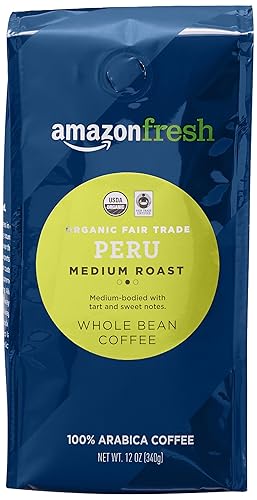
Amazon Fresh, Organic Fair Trade Peru Whole Bean Coffee, Medium Roast, 12 Oz
This is a good choice for someone who wants a single origin coffee with a clear, approachable profile and a sourcing story that fits an organic, fair trade preference. It works well in drip machines and French presses.
Key specs
- Origin: Peru
- Roast: Medium
- Format: Whole bean
- Size: 12 oz
- Certifications: Organic and Fair Trade, as stated in the listing name
Pros
- Clearly labeled single origin from Peru
- Organic and Fair Trade credentials stated on the bag
- Medium roast is forgiving across several brew methods
Cons
- Flavor is more subdued than lighter-roasted origin coffees
- Small 12 oz bag may run out quickly for heavy drinkers
Bones Coffee Company Ethiopia Single-Origin, Citrus, Floral and Berries Notes, Whole Coffee Beans, Low Acid Medium Roast Arabica Beans Flavored Coffee, 12 oz Whole Bean

Bones Coffee Company Ethiopia Single-Origin, Citrus, Floral and Berries Notes, Whole Coffee Beans, Low Acid Medium Roast Arabica Beans Flavored Coffee, 12 oz Whole Bean
Ethiopian coffees are known for expressive, fruit-forward flavors, so this bean suits drinkers who enjoy a lively, tea-like cup. It is a strong pick for pour-over brewing, where the floral and citrus notes can come through clearly.
Key specs
- Origin: Ethiopia
- Roast: Medium
- Species: Arabica
- Format: Whole bean
- Size: 12 oz
- Stated flavor notes: citrus, floral, berries
Pros
- Flavor notes are stated clearly on the packaging
- Ethiopian origin suits pour-over and filter brewing
- Low acid positioning may appeal to sensitive stomachs
Cons
- Bright fruit notes can taste sharp to drinkers who prefer chocolate-forward coffee
- Flavor character can vary somewhat between lots, as is typical for single origin coffee
Whole Foods Market, Organic Coffee Whole Bean Certified Regenerative, 12 Ounce

Whole Foods Market, Organic Coffee Whole Bean Certified Regenerative, 12 Ounce
This option appeals to shoppers who care about how coffee is grown as much as how it tastes. The regenerative certification speaks to farming practices, and the whole bean format gives you the freedom to grind fresh at home.
Key specs
- Format: Whole bean
- Size: 12 ounces
- Certifications: Organic and Certified Regenerative, as stated in the listing name
- Sold under the Whole Foods Market label
Pros
- Regenerative and organic certifications stated on the product
- Whole bean format preserves freshness until grinding
- Backed by a recognizable grocery retail brand
Cons
- Origin details may be less specific than some dedicated single origin roasters provide
- Flavor profile is less described than specialty-focused brands
Bones Coffee Company Colombia Single-Origin Coffee, Almonds, Dried Fruit, Vanilla Notes, Flavored Whole Bean Coffee, Medium Roast Low Acid Arabica Beans, 12 oz Whole Bean

Bones Coffee Company Colombia Single-Origin Coffee, Almonds, Dried Fruit, Vanilla Notes, Flavored Whole Bean Coffee, Medium Roast Low Acid Arabica Beans, 12 oz Whole Bean
Colombian coffees are often described as balanced and sweet, and this bean is a good match for people who want a smooth, comforting cup without heavy bitterness. It fits well in French press and drip brewing.
Key specs
- Origin: Colombia
- Roast: Medium
- Species: Arabica
- Format: Whole bean
- Size: 12 oz
- Stated flavor notes: almonds, dried fruit, vanilla
Pros
- Nutty and vanilla notes are approachable for most palates
- Colombian origin is widely recognized for balance
- Medium roast is versatile across brew methods
Cons
- Flavor is less complex than high-altitude origin coffees
- Flavored descriptions may not suit those who prefer unflavored beans
Mt. Comfort Coffee Organic Peru Medium Roast, 2.5 Pounds

Mt. Comfort Coffee Organic Peru Medium Roast, 2.5 Pounds – Flavor Notes of Nutty, Chocolate, & Citrus – Sourced From Small, Peruvian Coffee Farms – Roasted Whole Beans
Because of its larger 2.5 pound bag, this Peruvian option suits households that brew several cups a day. It is a practical way to keep a single origin coffee on hand without restocking often.
Key specs
- Origin: Peru
- Roast: Medium
- Certification: Organic, as stated in the listing name
- Format: Roasted whole beans
- Size: 2.5 pounds
- Stated flavor notes: nutty, chocolate, citrus
Pros
- Large bag offers good value for high-volume brewing
- Stated flavor notes span nutty, chocolate and citrus
- Sourced from small Peruvian farms, as described in the listing
Cons
- Large bag must be stored carefully to avoid staling before it is finished
- Single large size may be more than occasional drinkers need
Amazon Fresh, Nicaragua Whole Bean Coffee, Medium Roast, 12 Oz

Amazon Fresh, Nicaragua Whole Bean Coffee, Medium Roast, 12 Oz
Nicaraguan coffees are commonly described as smooth and mellow, which makes this bean a good fit for drinkers who want a gentle, low-drama cup. It is well suited to drip brewing and easy everyday use.
Key specs
- Origin: Nicaragua
- Roast: Medium
- Format: Whole bean
- Size: 12 oz
Pros
- Clearly identified single origin from Nicaragua
- Smooth, mellow profile suits everyday drinking
- Whole bean format allows fresh grinding
Cons
- Lower complexity than bright African coffees
- Limited flavor detail on the listing compared with specialty roasters
Buying Guide
Choosing the right single origin coffee beans comes down to a few practical factors. Start with origin, because the country and region shape acidity, sweetness and body. Ethiopian and Kenyan coffees tend toward brightness and fruit, Colombian and Peruvian coffees often lean toward balance and nuttiness, and Central American coffees are commonly smooth and medium-bodied. For background on how growing regions influence flavor, see Coffee Origins: How Growing Regions Shape Flavor and Where Do Coffee Beans Come From? Regions, Species and Altitude.
Selection criteria
Look for a bag that names the country, and ideally the farm, cooperative or region. Vague labels like “blend” or “house coffee” do not qualify as single origin. Roast date is the next thing to check. Coffee tastes best within a few weeks of roasting, so a printed roast date is more useful than a best-by date.
Important features
- Origin clarity: Country and region listed on the packaging
- Roast level: Light roasts show more origin character; medium roasts are more forgiving
- Format: Whole bean preserves flavor longer than pre-ground
- Species: Arabica is typically the species listed for single origin specialty coffee
- Stated flavor notes: Helpful as a starting point, though taste is personal
Specs to check
Check the net weight, roast date and roast level. A 12 oz bag suits a few weeks of daily brewing for one or two people. Larger bags can be economical in volume but need airtight storage. For storage tips, read How to Store Coffee Beans So They Stay Fresh.
Choosing by need
- Bright, fruity cups: Choose an African origin with citrus or berry notes.
- Balanced, sweet cups: Choose a Colombian or Peruvian medium roast.
- Smooth, mellow cups: Choose a Central American medium roast.
- Heavy daily use: Choose a larger bag and store it well.
- Sourcing values: Look for organic, Fair Trade or regenerative certifications stated on the bag.
If you are comparing with other formats, you may find Coffee Beans vs Espresso Beans (2026): Which Is Better for Your Brew? helpful, and How to Grind Coffee Beans: A Step-by-Step Guide for Home Brewers will help you match grind size to your brewer.
Things to watch out for
- Bags that list only “100% Arabica” without an origin are not truly single origin.
- Flavor notes are marketing descriptions; your palate may differ.
- Very light roasts can taste sour if brewed too coarse or too cold, so adjust your recipe.
- Stale coffee tastes flat regardless of origin, so buy in amounts you will use within a few weeks.
FAQ
What does single origin coffee mean?
Single origin coffee comes from one specific place, such as a country, region, farm or cooperative. It is not blended with beans from other sources, so the flavor reflects that origin and its growing conditions.
Are single origin coffee beans better than blends?
Neither is better in every case. Single origin coffees showcase distinct flavors from one place, while blends are designed for consistency and balance. Many people enjoy both, depending on the brew and mood.
Which roast is best for single origin beans?
Light and medium roasts usually reveal more of the origin’s character, including fruit and floral notes. Darker roasts tend to mute those differences and emphasize roasty, chocolate-like flavors.
Should I buy whole bean or ground single origin coffee?
Whole bean is generally the better choice because coffee loses aromatic compounds quickly after grinding. Grinding just before brewing preserves more of the origin’s flavor.
How long do single origin beans stay fresh?
Most roasters suggest using whole beans within a few weeks of the roast date for the best flavor. Store them in an airtight, opaque container away from heat, light and moisture.
Do single origin coffees have more caffeine?
Caffeine content depends mainly on species, roast level and brew ratio, not on origin alone. Arabica typically contains less caffeine than Robusta, and a single origin Arabica will generally fall in a similar range to other Arabica coffees.
Is single origin coffee more expensive?
Single origin coffee is often sold as a specialty product, and its sourcing and smaller lots can make it a premium option. Check the bag size and certifications to judge how well a given product fits your needs and budget.
Conclusion
Single origin coffee beans reward careful buying and careful brewing. If you want bright, fruit-forward flavor, the Ethiopian option is the most direct match. For balanced, sweet cups, the Colombian and Peruvian picks are dependable choices, and the large Peruvian bag suits heavy daily brewers. Shoppers who prioritize farming practices should look at the regenerative and organic options, while those who want a smooth, mellow cup will likely enjoy the Nicaraguan medium roast. Match the origin to the flavor you enjoy, buy a size you can finish within a few weeks, and grind fresh for the best result.