By Miles Sinclair
Updated November 2026
The best coffee grinds for French press are coarse and even, roughly the texture of sea salt or coarse sand. A uniform coarse grind lets water extract flavor evenly during a four-minute steep and keeps fine sediment out of your cup. This guide explains how to pick and prepare the right grind, plus the mistakes that usually cause bitter or muddy results.
Why coarse grind matters in a French press
A French press steeps coffee grounds in water for several minutes, then separates them with a metal mesh filter. Because the grounds sit in contact with water for so long, a fine grind would over-extract quickly, producing bitterness and a silty texture. Coarse particles extract more slowly and stay in the metal filter when you press. For a deeper look at sizing, see Best Coffee Grind Size for French Press: A Step-by-Step Guide.
Shopping for one? See our guide: Top 6 French Press Coarse Grind Coffees Compared (2026).
How to choose the best coffee grind for French press
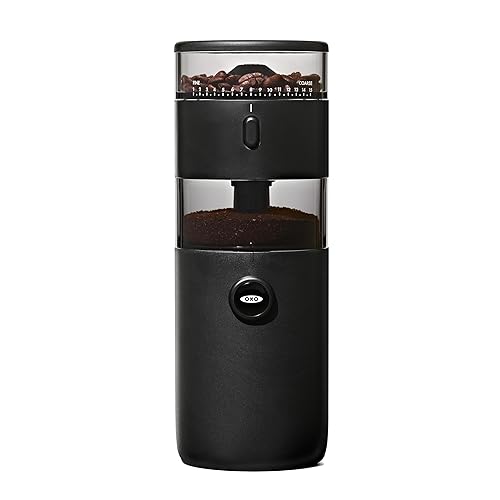
Start with a burr grinder if you can. Blade grinders chop beans unevenly, mixing dust with boulders, while burr grinders crush them to a consistent size. Set your burr grinder to its coarsest or near-coarsest setting, then grind a small test batch and check it against a sheet of white paper.
- Target look: distinct, chunky pieces with few fines.
- Target feel: gritty, like coarse sea salt, not powdery.
- Avoid: flour-like dust, which clogs the filter and makes the cup cloudy.
If your coffee tastes sour or weak, the grind is likely too coarse. If it tastes harsh or sludgy, go a notch coarser. For guidance on matching grounds to beans, read 5 Best Coffee Beans for French Press Compared (2026).
Step-by-step: grinding and brewing with coarse grounds
- Weigh your beans. A common starting ratio is 1:15 coffee to water by weight, for example 30 g of coffee to 450 g of water.
- Grind just before brewing, using a burr grinder set to coarse.
- Heat water to about 200°F (93°C). For details, see Temp for French Press: The Right Water Temperature for Better Coffee.
- Add grounds to the press, pour in water, and stir gently to wet every particle.
- Place the lid with the plunger pulled up, and steep for 4 minutes.
- Press down slowly, then pour out all the coffee immediately so it does not keep brewing.
For more on dialing in strength, check French Press Coffee Ratio: 3 Best Picks for Perfect Brews.
Common mistakes to avoid
- Grinding too fine, which causes bitterness and sediment.
- Using pre-ground coffee labeled for drip or espresso, which is usually the wrong size.
- Leaving brewed coffee sitting in the press, which keeps extracting and turns bitter.
- Grinding a large batch days ahead, since flavor fades quickly after grinding.
- Pressing too hard or too fast, which pushes fines through the mesh.
Recommended gear
A consistent grinder matters more than any other tool here. A burr grinder gives you the uniform coarse particles this brewing method needs. View on Amazon
A digital kitchen scale helps you hit the same ratio every time. View on Amazon
A stainless steel French press with a fine mesh filter keeps sediment low and holds heat well during steeping. View on Amazon
FAQ
What is the best grind size for French press?
Coarse, with particles about the size of sea salt. This allows even extraction over a four-minute steep and keeps sediment out of the cup.
Can I use pre-ground coffee in a French press?
You can, but check the label for “coarse” or “French press.” Pre-ground coffee sold for drip or espresso is often too fine and will produce a bitter, muddy cup.
Why is my French press coffee gritty?
Gritty coffee usually means the grind is too fine or uneven. Switch to a coarser setting on your burr grinder, and avoid pressing too quickly.
Conclusion
The best coffee grinds for French press are coarse, uniform, and freshly ground. Use a burr grinder, weigh your coffee and water, and steep for about four minutes. Adjust the grind one step at a time until the cup tastes balanced and clean.
Ready to choose one?
About Miles Sinclair
Miles Sinclair is part of our editorial team and reviews and edits our coffee beans & brewing methods guides, checking product details against manufacturer specifications and owner feedback.