By Audrey Hayes
Updated November 2026
Yes, you can eat coffee beans. Whole roasted coffee beans are safe in small amounts and are often eaten as a crunchy snack, sometimes covered in chocolate. Raw, unroasted green beans are a different matter: they are hard, taste grassy, and are not something most people should chew.
The main thing to watch is caffeine. A single roasted bean contains only a small amount, but eating a handful adds up quickly, and the effects can include jitteriness, a racing heart, or trouble sleeping. Anyone who is pregnant, has heart problems, takes stimulant medications, or is sensitive to caffeine should check with a doctor before making coffee beans a regular snack.
Shopping for one? See our guide: 5 Best chocolate covered coffee beans (2026): Expert Picks.
Why Coffee Beans Are Safe to Eat in Small Amounts
Roasting turns green coffee beans brown and brittle. It also breaks down many of the compounds that cause bitterness in raw seeds. What remains is a dense, crunchy bean with a strong aroma and a flavor that ranges from nutty to dark chocolate, depending on the roast level.
Dark roasts are easier to chew because the beans are more brittle, but they also carry more oil on the surface. Oily beans can taste acrid when eaten plain. Medium roasts tend to offer a cleaner, more balanced flavor. For a detailed explanation of surface oil, see Why Are Dark Roast Coffee Beans Oily? Causes and Fixes.
Factors That Affect Taste and Caffeine
Several things change how a coffee bean tastes when eaten:
- Species: Arabica is usually smoother and sweeter. Robusta has about twice the caffeine and a harsher, more bitter taste. The differences are covered in Robusta Coffee Beans vs Arabica Beans: Flavor, Caffeine and How to Choose.
- Roast level: Lighter roasts keep more acidity and fruit notes. Darker roasts taste bittersweet and smoky.
- Freshness: Stale beans lose aroma and can taste flat or cardboard-like.
- Origin: Growing region and altitude shape sweetness and body. See Where Do Coffee Beans Come From? Regions, Species and Altitude.
As a rough guide, a single roasted bean holds a few milligrams of caffeine, while a standard cup of brewed coffee typically holds around 80 to 100 milligrams. Eating a small handful is far less caffeine than a cup, but it is still worth counting if you drink coffee too.
How to Eat Coffee Beans Well
- Start with a medium or medium-light roast, which has less oil and a cleaner flavor.
- Use a small portion, around a teaspoon or a few beans, and wait to see how you feel.
- Chew slowly. Whole beans are hard, so crush them or chop them if you have dental concerns.
- Try them with dark chocolate, yogurt, or oats for a snack that softens the bitterness.
- Store beans in an airtight container away from heat and light so they stay fresh. For storage options, see Storage of Coffee Beans: 5 Best Canisters for Fresh Coffee (2026).
- Only eat beans that are roasted and sold for food or drinking. Never eat raw green beans or beans treated with unknown chemicals.
What We’d Use
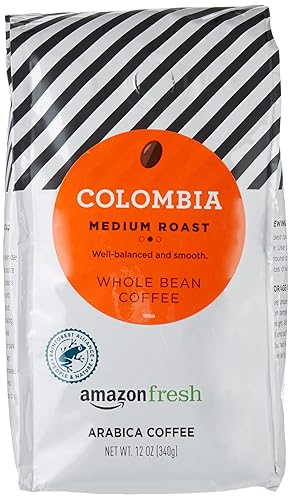
For a snack, look for a whole roasted bean sold as a single-origin or medium roast, since these tend to taste cleaner when eaten plain. A dark chocolate–covered version is a popular way to soften the bite: View on Amazon.
If you plan to store beans for snacking, an opaque airtight container keeps them fresh longer: View on Amazon.
FAQ
Are roasted coffee beans poisonous?
No. Roasted coffee beans are safe in small amounts. The main risk is caffeine, so eat them in moderation.
How many coffee beans can you eat a day?
There is no official limit, but a small handful is a reasonable starting point. If you drink coffee, count the beans as part of your total caffeine intake and talk to a doctor if you have a health condition.
Can you eat green coffee beans?
Raw green beans are very hard, taste grassy and bitter, and are not typically eaten as a snack. Roasted beans are the usual choice for eating.
Related reading
Ready to choose one?
About Audrey Hayes
Audrey Hayes is part of our editorial team and reviews and edits our coffee beans & brewing methods guides, checking product details against manufacturer specifications and owner feedback.