By Miles Sinclair
Updated November 2026
Cold brew coffee pouches are small, sealed or mesh bags filled with coarsely ground coffee that you steep in cold water for several hours. This guide shows you how to choose a pouch style, set a ratio that suits your taste, steep for the right time, and finish with a clean, smooth cup. Most of the work is passive, so the real skill lies in a few measurements and timing decisions.
What Cold Brew Coffee Pouches Are and How They Work
A cold brew coffee pouch works on the same principle as a tea bag. The grounds sit inside a porous filter, water surrounds them, and soluble compounds move out slowly over time. Because the water is cold or room temperature, the extraction is gentler than hot brewing. Acids and bitter compounds release more slowly, which is why cold brew tends to taste mellow and low in sharpness. For background on how cold brew differs from iced coffee, see What Is Cold Brew Coffee? How It Differs From Iced Coffee.
Shopping for one? See our guide: Cold Brew vs Iced Coffee (2026): Which Is Better for You?.
The pouch format matters because it removes the need for straining. You simply lift the pouch out when the steep is finished. That convenience comes with trade-offs, mainly around grind size and how much water the grounds can access, which we cover below.
Step 1: Choose the Right Pouch and Grind
Look for pouches that use a fine mesh or a filter paper material that allows water to flow freely while holding grounds in place. Manufacturers often specify whether their pouches are designed for hot or cold use, so check the packaging before you steep in cold water. Pre-ground coffee in pouches is usually cut to a coarse or medium-coarse size, similar to what you would use in a French press. Grinds that are too fine can cloud the concentrate and push sediment through the mesh.
If you are filling your own pouches, grind to a coarse setting. Fine powder will over-extract and turn muddy. A useful test is to look at the grounds: they should feel like coarse sand, not flour.
Step 2: Set Your Ratio
Ratio is the single biggest factor in strength. A common starting point for a concentrate is 1:8 by weight, meaning 1 gram of coffee for every 8 grams of water. For a drink-strength brew, many people prefer 1:12 to 1:15 and then dilute with milk, water or ice. You can read more about ratios in Guide Cold Brew Recipe: Ratios, Steps and Tips for Smooth Coffee.
| Goal | Coffee (grams) | Water (grams) | Dilution |
|---|---|---|---|
| Concentrate | 60 | 480 | 1 part concentrate to 1 part water or milk |
| Ready-to-drink | 50 | 600 | Drink as is or with ice |
| Strong concentrate | 80 | 480 | Dilute 1:2 or more |
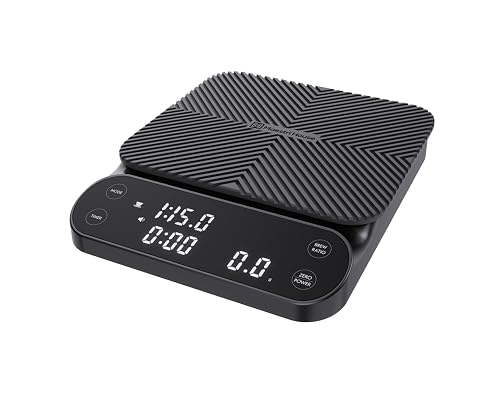
Weigh your coffee and water if you can. A kitchen scale is more consistent than scoops, which vary with bean density and grind size.
Step 3: Steep in Cold Water
Assemble the Setup
Place the pouch in a clean jar, pitcher or container. Pour in cold, filtered water so the pouch is fully submerged. If the pouch floats, press it down gently with a spoon or use a weight so grounds stay wet.
Choose a Steep Time
Refrigerated steeping typically runs 12 to 18 hours. Steeping at room temperature is faster, often 8 to 12 hours, but it raises the risk of off flavors and should be limited to a few hours of shade. Many home brewers find 14 hours in the refrigerator a reliable middle ground. Adjust by tasting: longer steeps are stronger and can taste heavier, shorter steeps are brighter and lighter.
Step 4: Remove, Dilute and Serve
Lift the pouch out gently and let it drain for a few seconds. Do not squeeze it hard, since pressing pushes fine particles and bitter compounds into the liquid. Dilute to taste, then serve over ice. Concentrate keeps in a sealed container in the refrigerator for about one week, though flavor fades over time.
Recommended gear
A few supplies make pouch brewing more consistent and easier to clean.
- Glass pitcher with lid: Glass does not hold odors, and a lid keeps the steep covered in the fridge. View on Amazon
- Digital kitchen scale: Weighing coffee and water is the most reliable way to repeat a ratio. View on Amazon
- Reusable cold brew filter bags: Useful if you prefer to fill your own pouches with a chosen bean. View on Amazon
Common Mistakes to Avoid
- Grinding too fine: Powder clouds the concentrate and makes the cup taste muddy. Stay coarse.
- Steeping too long at room temperature: Extended warm steeping can sour or ferment the brew. Keep it refrigerated for long steeps.
- Squeezing the pouch: This forces sediment and bitterness into your drink.
- Using scoops instead of a scale: Volume measurements drift, which makes results hard to repeat.
- Ignoring water quality: Heavily chlorinated or mineral-heavy water shows up in the cup. Filtered water usually tastes cleaner.
Tips for Better Results
- Write down your ratio and steep time the first few batches so you can adjust deliberately.
- If the drink tastes flat, try a slightly stronger ratio or a longer steep before changing the grind.
- If it tastes harsh or woody, shorten the steep or dilute more.
- Store unused pouches in an airtight container away from heat and light to protect freshness.
- For a deeper look at method options, compare with How to Make Cold Brew Coffee at Home: A Step-by-Step Guide.
Cold Brew Pouches vs Other Methods
Pouches trade some control for convenience. A French press or toddy system gives you more room to adjust grind and agitation, while pouches limit how freely water reaches the grounds. If you want simple, repeatable batches with minimal cleanup, pouches are a good fit. If you enjoy experimenting with bean origin and extraction, a dedicated system may suit you better. Compare options in Cold Brew Coffee Toddy: 3 Best Toddy Systems for Home and Office and Cold Brew French Press: 7 Best Picks for Smooth Coffee at Home.
FAQ
Can I steep cold brew coffee pouches in hot water?
Most cold brew pouches are designed for cold or room-temperature water. Hot water extracts faster and more bitterly, and some pouch materials may not hold up. Check the manufacturer’s instructions before changing temperature.
How long should cold brew coffee pouches steep?
Refrigerated steeps of 12 to 18 hours are common. Shorter steeps taste brighter and lighter, longer steeps taste stronger and heavier. Adjust based on your preference.
Do I need to dilute the concentrate?
Usually yes, especially if you brewed at a concentrate ratio. Dilute with water, milk or ice until the drink matches your taste.
Why does my cold brew taste sour?
Sourness often comes from under-extraction, a steep that is too short, or steeping at warm room temperature for too long. Try a longer refrigerated steep or a slightly stronger ratio.
Why is my cold brew bitter?
Bitterness usually means over-extraction from a very long steep, a grind that is too fine, or squeezing the pouch. Shorten the steep, coarsen the grind and avoid pressing.
How long does cold brew concentrate last?
Stored in a sealed container in the refrigerator, concentrate generally stays good for about a week. Flavor is best in the first few days.
Can I reuse a cold brew coffee pouch?
Manufacturers generally designed pouches for single use, since spent grounds and continued soaking affect flavor and hygiene. Reusable filter bags are a separate option you can clean and reuse.
Conclusion
Cold brew coffee pouches make smooth, low-acid coffee simple to prepare. Start with a 1:8 concentrate or a 1:12 drink ratio, steep in the refrigerator for about 14 hours, and adjust time and dilution to taste. Once you have a repeatable method, small changes will show you exactly how your cup responds.
Related reading
Ready to choose one?
About Miles Sinclair
Miles Sinclair is part of our editorial team and reviews and edits our coffee beans & brewing methods guides, checking product details against manufacturer specifications and owner feedback.