By Audrey Hayes
Updated November 2026
Yes, do coffee beans have caffeine. Every coffee bean, whether it is a raw green bean or a roasted one, contains caffeine, a natural compound the coffee plant produces to deter insects. The amount varies by species, and it changes very little during roasting. What you actually drink depends far more on how much coffee you use and how you brew it.
Why Coffee Beans Contain Caffeine
Caffeine is part of the coffee plant’s own defense system. It is stored in the seed, which is the part we call the bean. Because the compound is locked inside the seed’s cells, it moves into your cup only when water extracts it during brewing. That is why the bean itself, before brewing, is a fixed amount of caffeine, and the drink is where the variation shows up.
Two species dominate the market. Arabica beans typically contain less caffeine, while robusta beans contain noticeably more. If you want a full breakdown, see How Much Caffeine in Coffee Beans? Arabica vs Robusta and How to Estimate It and Robusta Coffee Beans vs Arabica Beans: Flavor, Caffeine and How to Choose.
Factors That Change How Much Caffeine You Get
The bean’s species sets the ceiling, but several other factors determine what ends up in your cup:
- Species: Robusta generally has roughly twice the caffeine of arabica by weight.
- Roast level: Roasting removes a small amount of moisture, so by weight a dark roast has slightly less caffeine per gram than a light roast. By volume, though, dark beans are less dense, so a scoop may hold a similar or slightly smaller dose. The difference is modest. For details, read Which Coffee Roast Has the Most Caffeine? Light vs Dark Explained.
- Dose: More grams of coffee means more caffeine. A common starting point for pour-over is about 15 grams of coffee to 250 grams of water.
- Brew method and time: Longer contact between water and grounds extracts more caffeine. Cold brew, steeped for 12 to 18 hours, often yields a strong cup even when the grind is coarse.
How to Control Your Caffeine Intake
If you want a specific caffeine level, you can adjust it at the bean stage and at the brew stage. Choosing your beans wisely is the first step, and the rest comes down to measurement.
- Pick your species first. Use arabica for a lower-caffeine cup and robusta or a blend with robusta for a stronger one.
- Weigh your beans. Use a kitchen scale instead of scoops, since scoops vary with bean density and roast.
- Keep your ratio consistent. Changing only the coffee-to-water ratio is the quickest way to adjust strength.
- Limit extraction time if you want less caffeine per cup, and extend it if you want more.
- If you need a low-caffeine option, look at 6 Best Good Decaf Coffee Beans for Flavor Without the Caffeine (2026) or 5 Best Decaf Coffee Beans Wholes for Flavor Without the Caffeine (2026). Decaf is not zero caffeine, but it is far lower.
What We’d Use
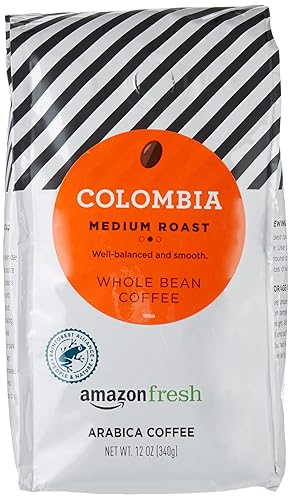
For a bean with a clear caffeine profile, a robusta-heavy blend is the easiest way to get a higher dose: View on Amazon. For a lighter, more controllable cup from a well-known arabica option, try View on Amazon.
FAQ
Do coffee beans have caffeine before they are roasted?
Yes. Green, unroasted beans contain caffeine, and roasting only changes it slightly by weight.
Does coffee beans have caffeine that differs between species?
Yes. Robusta typically contains about twice as much caffeine as arabica, so the species you choose matters a great deal.
Can I get a decaf cup from regular coffee beans?
Not at home. Decaf beans are processed to remove most of the caffeine before roasting. If you want a low-caffeine cup, buy beans labeled decaf instead.
Related reading
Ready to choose one?
About Audrey Hayes
Audrey Hayes is part of our editorial team and reviews and edits our coffee beans & brewing methods guides, checking product details against manufacturer specifications and owner feedback.