By Miles Sinclair
Updated November 2026
French press coffee starbucks beans can produce a rich, full-bodied cup at home if you match the grind, ratio and water temperature to the roast. This guide walks through each step, from choosing a coarse grind to timing your steep and pressing cleanly, so you finish with a consistent result every morning. Whether you are working with whole bean or pre-ground Starbucks coffee, the principles stay the same.
Why Starbucks Coffee Works in a French Press
Starbucks sells a range of roasts, and most of them are dark or medium-dark. Darker roasts tend to have lower acidity and heavier body, which suits the immersion method of a french press. The oils and sugars that develop during roasting come through well when the coffee steeps for four minutes, giving you a cup with chocolate, toasted nut and cedar notes rather than sharp fruit. If you prefer brighter flavors, a lighter roast may need a slightly shorter steep to avoid bitterness.
For a broader look at bean selection, see 5 Best Coffee Beans for French Press Compared (2026). Starbucks options specifically are covered in Starbucks Pike Place Roast Coffee: 5 Best Picks for Every Brewer (2026).
What You Need Before You Start
- A french press, preferably 32 to 34 ounces for two servings
- A kettle that lets you control or approximate water temperature
- A digital scale, accurate to 1 gram
- A burr grinder, or pre-ground coffee labeled for french press
- A timer and a spoon for breaking the crust
Step 1: Choose Your Grind Size
A french press needs a coarse grind, roughly the texture of sea salt or coarse sand. Finer particles pass through the mesh filter, leaving sediment in the cup and a muddy finish. If you buy pre-ground Starbucks coffee, check that the package indicates coarse or french press grind; if it is labeled for drip or espresso, the particles will likely be too fine. For a deeper explanation, read Best Coffee Grind Size for French Press: A Step-by-Step Guide.
Grinding Whole Bean at Home
Grind your beans just before brewing. Start with a setting one step coarser than you would use for drip, then adjust after your first cup. A burr grinder gives more even particles than a blade grinder, which tends to produce a mix of dust and chunks.
Step 2: Measure Coffee and Water
A common starting ratio is 1:15, meaning 1 gram of coffee for every 15 grams of water. For a 32-ounce press (about 900 grams of water), that is roughly 60 grams of coffee. Many home brewers prefer a slightly stronger 1:13 or 1:14 ratio with dark roasts. More detail on ratios is in French Press Coffee Ratio: 3 Best Picks for Perfect Brews and 7 Best Coffee to Water Ratio French Press: Picks Compared (2026).
| Brew Strength | Ratio (coffee:water) | Coffee for 900 g Water |
|---|---|---|
| Mild | 1:16 | 56 g |
| Balanced | 1:15 | 60 g |
| Bold | 1:13 | 69 g |
Step 3: Heat Water to the Right Temperature
Aim for water between 195°F and 205°F (90°C to 96°C). Boiling water can scorch grounds and extract harsh, bitter compounds. If your kettle has no temperature setting, bring water to a boil and let it rest for 30 to 45 seconds before pouring.
Step 4: Bloom and Steep
Add Water Evenly
Place the grounds in the empty press, then pour in just enough water to saturate them, about twice the coffee weight. Wait 30 seconds for the bloom to release gases, then pour the rest of the water in a steady circle.
Set the Timer
Place the lid on top without pressing, and steep for four minutes. Dark roasts can handle a little longer, while lighter roasts may benefit from three and a half minutes.
Step 5: Break the Crust and Skim
Gently stir the crust that forms on top, then skim off the floating grounds with a spoon. This removes fines that would otherwise cloud the cup. Wait another minute for any remaining particles to settle.
Step 6: Press and Serve Immediately
Press the plunger down slowly and steadily, taking about 20 to 30 seconds. Pour all the coffee out right away. Leaving brewed coffee sitting on the grounds keeps extracting and can turn the cup bitter.
Common Mistakes
- Grinding too fine. This causes sediment and over-extraction. Go coarser.
- Using boiling water. Let it cool briefly to avoid scorching.
- Steeping too long. Past five minutes, bitterness usually outweighs sweetness.
- Pressing too fast. A rushed plunge can push fine particles through the filter.
- Leaving coffee in the press. Pour out everything as soon as you press.
- Using stale grounds. Pre-ground coffee loses aroma quickly, so use it within a few weeks of opening.
Tips for Consistent Results
Keep a brew log with grind setting, ratio, water temperature and steep time. Change only one variable at a time. If the cup tastes sour or thin, try a finer grind or longer steep. If it tastes bitter or harsh, go coarser or shorten the steep. Store beans in an airtight container away from heat and light.
Recommended gear
- Bodum Chambord French Press: A classic borosilicate glass press with a stainless steel frame and filter that holds heat well during the steep. View on Amazon
- Baratza Encore Conical Burr Grinder: A consistent burr grinder with a coarse setting suited to french press brewing. View on Amazon
- Hario Buono Electric Kettle: A gooseneck kettle that offers variable temperature control for precise pours. View on Amazon
- Escali Primo Digital Scale: A compact scale with gram-level accuracy for measuring coffee and water. View on Amazon
FAQ
Can I use Starbucks pre-ground coffee in a french press?
Yes, but check the grind. Pre-ground coffee labeled for french press or coarse brewing will give the best results. Finer grinds can produce sediment.
What is the best Starbucks roast for french press?
Dark roasts such as Espresso Roast or French Roast typically produce a heavier body that suits immersion brewing. Medium roasts like Pike Place work well if you prefer a balanced, less intense cup.
How long should I steep Starbucks coffee in a french press?
Four minutes is a reliable starting point. Adjust by 30 seconds based on taste.
Why is my french press coffee bitter?
Common causes include a grind that is too fine, water that is too hot, or a steep that runs too long. Try a coarser grind and shorter steep.
Why is there sediment in my cup?
Fine particles are passing the filter. Use a coarser grind, skim the crust before pressing, and pour out the coffee promptly.
Can I make cold brew with a french press?
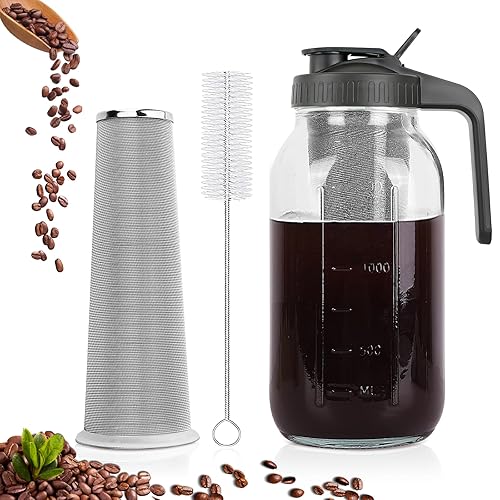
Yes. Steep coarse grounds in cold water for 12 to 18 hours in the refrigerator, then press. See Cold Brew French Press: 7 Best Picks for Smooth Coffee at Home for equipment options.
How much coffee should I use per cup?
A good starting point is about 10 grams of coffee per 150 grams of water, roughly one heaping tablespoon per 6 ounces.
Conclusion
Brewing french press coffee starbucks beans comes down to a coarse grind, a 1:15 ratio, water around 200°F and a four-minute steep. Adjust one variable at a time and keep notes on what you change. With a little practice, you will find the balance that suits your roast and your taste.
Ready to choose one?
About Miles Sinclair
Miles Sinclair is part of our editorial team and reviews and edits our coffee beans & brewing methods guides, checking product details against manufacturer specifications and owner feedback.