 By Audrey Hayes
Updated November 2026
Guatemala Antigua coffee beans suit drinkers who want a balanced, chocolate-leaning medium roast with a bit of brightness and body. This 16-ounce whole bean bag, labeled USDA Organic and kosher, is a good fit for home brewers who grind their own beans and want a dependable everyday coffee. Skip it if you want a very light, fruit-forward single-origin that highlights acidity, or if you prefer a dark roast with smoky, bittersweet notes. Buyers who mainly use pre-ground coffee in a drip machine will also get less out of whole beans than they might expect.
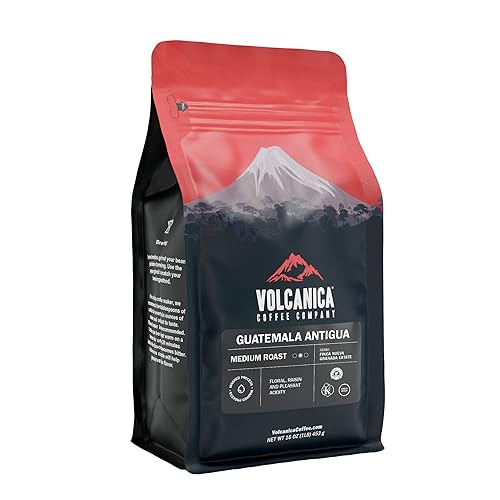
Guatemala Coffee, Antigua, Whole Bean, Medium Roast, USDA Organic, Fresh Roasted, Kosher, 16-ounces
Product Overview
This product is a whole bean coffee sold as Guatemala Coffee from the Antigua region, roasted to a medium level and packaged in a 16-ounce bag. Antigua is one of Guatemala’s best-known growing areas, sitting in a valley ringed by volcanoes and known for high-altitude Arabica. The listing emphasizes freshness, stating the beans are fresh roasted, and notes USDA Organic and kosher certifications. For background on how origin and elevation shape flavor, see Where Do Coffee Beans Come From? Regions, Species and Altitude. The product is a straightforward origin coffee rather than a blend, so the character you taste should come mainly from where the beans were grown.
Key Features & Specifications
| Feature | Detail |
|---|---|
| Origin | Guatemala, Antigua region |
| Form | Whole bean |
| Roast level | Medium |
| Net size | 16 ounces |
| Certifications | USDA Organic, Kosher |
| Roast timing | Listed as fresh roasted |
Pros & Cons
Pros
- Single-origin Antigua profile
- Medium roast suits everyday brewing
- USDA Organic certification
- Whole beans preserve freshness
- Kosher certified
Cons
- Only one 16-ounce size
- Roast style limits bright fruit notes
- Requires a grinder
- Flavor varies with brewing method
Performance Analysis
Medium-roasted Guatemalan coffees generally show a balance of sweetness, cocoa or nutty tones, and moderate acidity. Owners of Antigua beans often describe a smooth, full-bodied cup that works well as a daily drip or French press coffee. Performance depends heavily on grind and water. A starting point is a ratio of about 1 gram of coffee to 16 grams of water for pour-over, with a water temperature near 200°F. Grind size should match the method: medium-fine for pour-over and medium-coarse for French press. If the cup tastes flat, check that the beans were ground fresh and that the water is not too cool. Because the bag is whole bean, freshness after opening matters more than with pre-ground coffee, and you will get the most consistent results by grinding just before brewing.
Who Should Buy This Product?
This coffee suits people who want a reliable, organic, single-origin medium roast they can brew in several ways. It is a good choice if you already own a grinder and want to explore a classic Central American origin without going to a specialty roaster. Households that drink a lot of coffee may appreciate the 16-ounce size as a steady supply. It is less suited to people who want strong fruit or floral notes, who prefer dark roasts, or who want a coffee that tastes the same with every method. If you are new to whole beans, you may first want to read about storage in How to Store Coffee Beans So They Stay Fresh so the bag lasts.
Buying Guide
When choosing Guatemalan or Antigua beans, look for a roast date, a clear origin statement, and the altitude or grade if the seller provides it. Medium roasts are the most forgiving for beginners, while lighter roasts reward precise technique. Grind freshly, since whole beans hold flavor far better than pre-ground coffee. For a practical walkthrough, see How to Grind Coffee Beans: A Step-by-Step Guide for Home Brewers. Two well-known alternatives are worth comparing. The Starbucks Guatemala Antigua whole bean coffee is a widely available option in a similar 16-ounce size:

Starbucks Guatemala Antigua, Whole Bean Coffee, 16 Ounce (Pack of 1)
For a larger bag, the Smokin Beans Guatemala Antigua Whole Bean Washed, Medium Roasted coffee comes in a two-pound package:

Smokin Beans Guatemala Antigua Whole Bean Washed, Medium Roasted 2-Lb, 1ct
FAQ
Is Antigua coffee the same as Guatemala coffee?
Antigua is a specific growing region within Guatemala. Coffee labeled Antigua usually comes from the volcanic valley around the city of Antigua Guatemala, and it is often grown at high elevations. Guatemala coffee without a region name may come from many areas.
Are USDA Organic beans better tasting?
Organic certification describes how the coffee was grown, not how it tastes. Flavor depends on variety, altitude, processing, roast, and brewing. Organic beans may appeal to buyers who prefer farming without synthetic inputs.
What grind size should I use for this coffee?
For pour-over, use a medium-fine grind similar to table salt. For French press, use a coarse grind. For drip machines, use a medium grind. Adjust by tasting, since a grind that is too fine can taste bitter.
How should I store whole beans after opening?
Keep the beans in an airtight container away from heat, light, and moisture. Avoid the refrigerator, since condensation can affect flavor. Use the beans within a few weeks for the best taste.
Final Verdict
This Guatemala Antigua whole bean coffee is a sound choice for home brewers who want an organic, medium-roasted origin coffee with balanced sweetness and body. Its strengths are consistency for everyday drinking and a clear sense of place. It is less exciting for people chasing bright, fruity specialty profiles. If you have a grinder and want a dependable Antigua coffee, it is worth considering. You can check the current listing here: View on Amazon.
Before you buy: helpful guides
Related reading
- How to Preserve Coffee Beans: 7 Steps to Keep Them Fresh Longer
- Coffee with Arabica Beans: A Step-by-Step Guide to Better Brews
- Coffee Beans from Yemen: A Guide to Mocha Origins and Flavor
About Audrey Hayes
Audrey Hayes is part of our editorial team and reviews and edits our coffee beans & brewing methods guides, checking product details against manufacturer specifications and owner feedback.