By Miles Sinclair
Updated November 2026
Nitro cold brew usually contains somewhere between 150 and 280 milligrams of caffeine for a standard 16-ounce serving, though the exact figure depends on the coffee-to-water ratio, the beans, and the size you order. Most coffee shops don’t publish exact numbers for nitro drinks, so the range is the most honest answer you’ll get.
Why the Caffeine Amount Varies So Much
Nitro cold brew is made by steeping coarsely ground coffee in cold water for 12 to 24 hours, filtering it, and then infusing it with nitrogen gas. The nitrogen changes the texture and mouthfeel, but it doesn’t add or remove caffeine. The caffeine comes from the coffee itself, so the real question is how much coffee went into the batch.
Shopping for one? See our guide: Nitro Cold Brew Coffee Caffeine: High Brew 200mg Review (2026).
Shops typically dilute a concentrate with water before serving, which is why two cups with the same name can differ significantly. A cafe using a heavy concentrate and a light topper will deliver more caffeine than one that stretches the brew with more milk or water.
The Factors That Change the Number
- Coffee-to-water ratio: Common cold brew ratios range from about 1:4 to 1:8 by weight. A stronger concentrate pushes caffeine higher.
- Bean type: Robusta contains roughly twice the caffeine of Arabica, so a blend with robusta will hit harder.
- Serving size: Going from a 12-ounce to a 20-ounce cup can add more than 50 percent more caffeine if the recipe is the same.
- Dilution at the counter: Extra shots of cold brew or espresso, or a splash of concentrate, raise the total.
- Steep time: Longer steeps extract somewhat more caffeine, although the effect is smaller than ratio and size.
How to Control Your Caffeine Intake
If you want a predictable dose, ask the barista how the drink is built and whether it’s made from a concentrate or ready-to-drink batch. Shops that brew in-house can often tell you the ratio. For a lighter cup, request a smaller size or a half-strength pour. For a stronger one, ask for an extra shot or choose a larger size.
- Check the menu for a size-based caffeine chart, which some chains provide on request.
- Order a small or tall size first to learn how a particular shop’s nitro tastes and feels.
- Watch for the difference between nitro and regular cold brew: the foam and smoothness can make it feel milder even when caffeine is similar.
- If you’re sensitive to caffeine or taking medication, check with your doctor about your daily limit, since the general guideline for healthy adults is about 400 milligrams per day.
For a broader look at strength across formats, see Is Cold Brew Strong? Caffeine Levels, Ratios and Tips (2026). If you want to compare a canned option with a cafe pour, How Much Caffeine in Stok Cold Brew: What to Expect Per Can breaks down one popular ready-to-drink line, and Starbucks Cold Brew Nitro Caffeine: How Much You Get (2026) covers one chain’s nitro menu.
What We’d Use
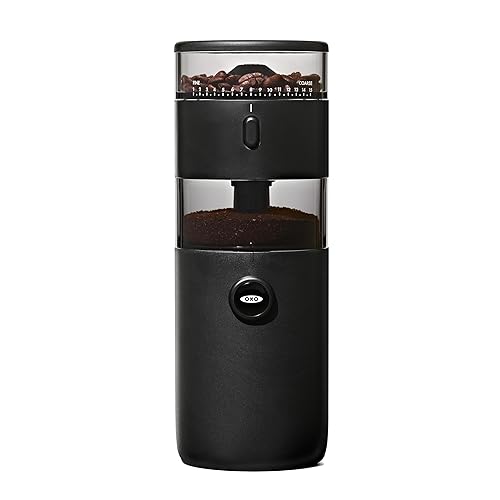
If you prefer to make nitro-style cold brew at home, a dedicated dispensing system gives you the most control over strength and freshness. View on Amazon is a good starting point for brewing batches you can adjust by ratio. For a simpler approach, a View on Amazon lets you steep a concentrate and dilute it to your preferred strength.
FAQ
Does nitro cold brew have more caffeine than regular iced coffee?
Often, yes. Cold brew uses a higher coffee-to-water ratio and a long steep, so a comparable cup of nitro cold brew can contain more caffeine than a standard iced coffee made from hot-brewed coffee.
Does nitrogen change how much caffeine is in the drink?
No. Nitrogen affects texture and foam, not caffeine content. The caffeine depends on the coffee and the recipe.
Can I get a lower-caffeine nitro cold brew?
Yes. Choose a smaller size, ask for a half-strength pour, or request a cold brew made with a lighter ratio. Some shops also offer decaf nitro options if you want the texture without the stimulant.
Related reading
- What Is Cold Brew Nitro Coffee? How It Works and Why It Tastes Different
- Caffeine Nitro Cold Brew Review: Is It Worth It? (2026)
Ready to choose one?
About Miles Sinclair
Miles Sinclair is part of our editorial team and reviews and edits our coffee beans & brewing methods guides, checking product details against manufacturer specifications and owner feedback.