By Miles Sinclair
Updated November 2026
Is pour over coffee stronger than other brewing methods? Usually, no: pour over is typically lighter in body than French press, but its strength depends on how much coffee you use, how finely you grind, and how long the water stays in contact with the grounds. Once you understand those three levers, you can make a pour over as bold or as mild as you like.
What “Stronger” Actually Means
Coffee people use “strong” to describe two different things. Strength in the sense of concentration refers to how much dissolved coffee solids end up in the cup, which mostly tracks the brew ratio. Strength in the sense of caffeine is a separate question, and it depends on the dose of beans and how much of their caffeine is extracted. A pour over can taste intense and still contain a moderate amount of caffeine, because bright, clean brews often feel lighter than their actual extraction suggests.
Shopping for one? See our guide: 7 Best Pour Over Coffee Dripper Models for Home Brewers (2026).
How Brew Ratio Controls Strength
The single biggest factor is the ratio of coffee to water. A common starting point for pour over is 1:16, meaning 16 grams of water for every gram of coffee. Going to 1:14 produces a noticeably stronger cup, while 1:17 or 1:18 tastes lighter. Weigh both your coffee and your water with a scale rather than using scoops, since scoop volume varies widely from bean to bean.
Ratio Guide at a Glance
| Target Strength | Ratio (Water to Coffee) | Example: 20 g Coffee |
|---|---|---|
| Light and delicate | 1:17–1:18 | 340–360 g water |
| Balanced (standard) | 1:15–1:16 | 300–320 g water |
| Bold and concentrated | 1:13–1:14 | 260–280 g water |
Grind Size and Contact Time
Grind size changes how quickly water pulls flavor from the grounds. A finer grind creates more surface area and slows the drawdown, which increases extraction and body. A coarser grind lets water rush through, producing a thinner, weaker cup. If your pour over tastes thin even at a strong ratio, try grinding one step finer and aim for a total brew time of about 2:30 to 3:30 for a standard 300-gram batch.
Water Temperature Matters Too
Hotter water extracts more efficiently, so temperature is another strength lever. Most guides recommend water between 200°F and 205°F. Water that is too cool under-extracts and tastes sour and weak, while water that is too hot can push a cup toward harshness. Stay in the middle of that range and adjust in small steps.
Step-by-Step: Making a Stronger Pour Over
- Weigh 22 grams of medium-dark roasted coffee and grind it slightly finer than your usual setting.
- Heat water to about 203°F and rinse your paper filter to remove papery taste and warm the brewer.
- Add the coffee, level the bed, and pour 50 grams of water to bloom for 30 seconds.
- Pour in gentle circles to reach a total of 300 grams by about 2:45, then let it drain fully.
- Taste the cup. If it still seems weak, reduce the water to 280 grams before changing anything else.
Recommended Gear
- Digital scale with timer: Lets you measure water and coffee by weight and track brew time, the two numbers that most affect strength. View on Amazon
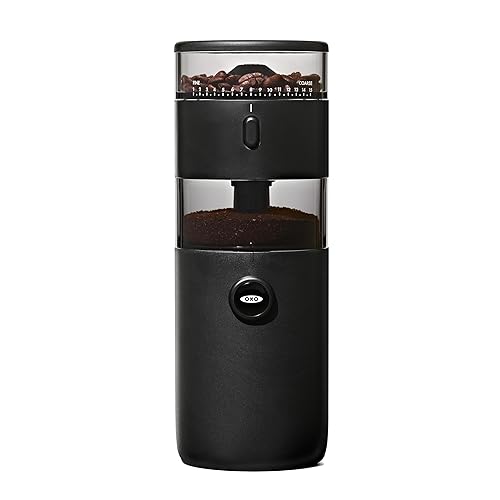
- Burr grinder: Produces consistent particle size, which makes grind adjustments predictable. View on Amazon
- Gooseneck kettle: Gives controlled pouring and helps you hold steady water temperature. View on Amazon
Common Mistakes
- Measuring coffee by scoop, which makes every brew inconsistent.
- Changing grind, ratio and temperature all at once, so you can’t tell which change helped.
- Using stale beans, which lose aromatic compounds and make even strong brews taste flat.
- Pouring too fast, which causes channeling and uneven extraction.
If your pour over tastes harsh or bitter rather than weak, the cause may be over-extraction, and our guide on Why Is My Pour Over Coffee Bitter: 5 Causes and Fixes for a Smoother Cup walks through the fixes. For temperature details, see Water Temperature for Pour Over Coffee: 200–205°F for Balanced Flavor.
FAQ
Does pour over have more caffeine than drip coffee?
Not necessarily. Caffeine depends mainly on the dose of coffee and how much is extracted, so a pour over and a drip brew made with the same amount of coffee will contain similar caffeine. Pour over often tastes cleaner and lighter, which can make it seem weaker.
Is pour over stronger than French press?
Usually it is not. French press has a full immersion brew and metal filter that keeps more oils and fine particles in the cup, which many people perceive as stronger and heavier. You can make a pour over taste just as bold by using a lower water ratio.
What is the fastest way to make pour over stronger?
Reduce the water amount while keeping the coffee dose the same, such as moving from 300 grams to 280 grams for 20 grams of coffee. Grinding slightly finer also helps. Change one variable at a time so you can taste the difference.
Conclusion
Pour over is not inherently stronger than other methods, but you control its strength through ratio, grind, and temperature. Start with a 1:15 to 1:16 ratio, weigh everything, and adjust in small steps. With those basics in place, you can dial in a cup that suits your taste exactly.
Related reading
- Pour Over Iced Coffee: A Step-by-Step Guide to a Bright, Clean Cup
- Pour Over Coffee Water Temp: The Right Range and How to Dial It In
- Pour Over Coffee Hario: A Step-by-Step Guide to a Clean, Balanced Cup
- Pour Over Coffee Grind: A Step-by-Step Guide for Better Flavor
Ready to choose one?
About Miles Sinclair
Miles Sinclair is part of our editorial team and reviews and edits our coffee beans & brewing methods guides, checking product details against manufacturer specifications and owner feedback.