By Miles Sinclair
Updated November 2026
Perfect pour over coffee comes down to four things: the right dose of coffee, a grind matched to your brewer, water at the correct temperature, and a steady, controlled pour. Get those right and you’ll get a cup that tastes clean, sweet and balanced rather than sour, flat or bitter. This guide walks through each step so you can dial in your own brew.
Start With the Right Ratio and Grind
A good starting point is a ratio of about 1:16, meaning 16 grams of water for every gram of coffee. For a single 12-ounce mug, that works out to roughly 22 grams of coffee and 350 grams of water. Adjust from there based on taste: if the cup is weak, use less water or more coffee, and if it’s harsh, do the opposite.
Shopping for one? See our guide: 7 Best Pour Over Coffee Dripper Models for Home Brewers (2026).
Grind size matters just as much. Aim for something close to table salt, a medium-fine grind. If your coffee tastes sour and thin, your grind is probably too coarse. If it tastes bitter and dry, try going a little coarser. For more detail, see What grind coffee for pour over: a step-by-step guide to better flavor, which covers grind choices in depth.
Dial In Your Water Temperature
Most brewers aim for water between 200°F and 205°F. Water that’s too cool under-extracts the coffee, leaving it sour, while water that’s too hot can pull out bitter compounds. Let freshly boiled water sit for 30 to 60 seconds before you pour, or use a kettle with temperature control. For a deeper look at temperature ranges, read Water Temperature for Pour Over Coffee: 200–205°F for Balanced Flavor.
Master the Pour Technique
Technique controls how evenly the grounds extract. A simple, repeatable method looks like this:
- Rinse the paper filter with hot water to remove paper taste and preheat the brewer. Discard the rinse water.
- Add your ground coffee and tap the brewer gently to level the bed.
- Bloom: pour about twice the coffee’s weight in water (roughly 40 grams for 22 grams of coffee) and wait 30 to 45 seconds. The grounds will bubble and release gas.
- Pour the rest in slow, circular motions, keeping the water level steady. Aim to finish the full amount by about 2:30 to 3:00 minutes from the start.
- Let the coffee drain completely, then swirl and serve.
Keep the pour gentle and avoid pouring directly onto the filter wall. Consistent flow matters more than speed.
Common Mistakes to Avoid
- Using stale coffee. Beans lose aroma quickly after roasting, so buy in smaller amounts and use them within a few weeks.
- Skipping the bloom, which can leave dry pockets and uneven extraction.
- Changing several variables at once. Adjust one thing at a time, such as grind or temperature, and taste each result.
- Using a grind that’s too fine, which slows drainage and causes bitterness.
- Ignoring water quality. Filtered water with balanced minerals gives cleaner flavor. If your coffee tastes bitter, see Why is my pour over coffee bitter: 5 causes and fixes for a smoother cup.
Recommended Gear
A gooseneck kettle gives you control over the pour rate, which makes steady, even extraction much easier. View on Amazon
A digital kitchen scale lets you weigh coffee and water in grams, so your ratio stays consistent from cup to cup. View on Amazon
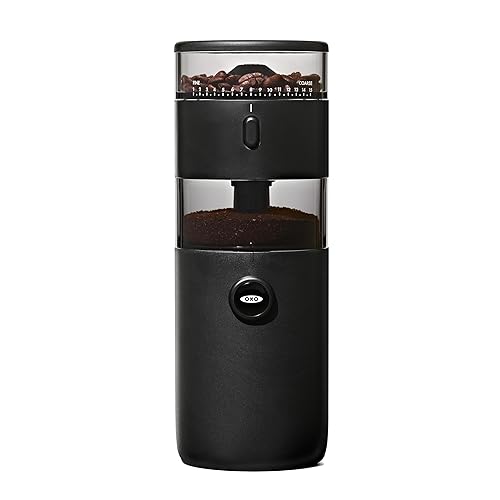
A burr grinder produces a more uniform grind than blade grinders, which helps reduce uneven extraction. View on Amazon
FAQ
How much coffee should I use for pour over?
A common starting point is 1 gram of coffee for every 16 grams of water. Adjust the amount to suit your taste and the strength you prefer.
Does the type of filter affect flavor?
Yes. Paper filters tend to produce a cleaner cup with less body, while metal filters let more oils through for a richer texture. Rinsing paper filters before brewing removes any papery taste.
How long should a pour over take?
Most pour overs finish in roughly 2:30 to 3:30 minutes from the first pour. If your brew is much faster or slower, adjust your grind size and pour rate.
Conclusion
Perfect pour over coffee is a matter of consistent ratios, a well-matched grind, the right water temperature and a controlled pour. Change one variable at a time and take notes on what you taste. With a few brews, you’ll know exactly how to adjust for the flavor you want.
Related reading
- Why Is My Pour Over Coffee Bitter: 5 Causes and Fixes for a Smoother Cup
- What Grind Coffee for Pour Over: A Step-by-Step Guide to Better Flavor
- What Do You Pour Over an Irish Coffee? Best Answers and Why
- V60 Coffee to Water Ratio: A Step-by-Step Guide for Better Pour-Overs
Ready to choose one?
About Miles Sinclair
Miles Sinclair is part of our editorial team and reviews and edits our coffee beans & brewing methods guides, checking product details against manufacturer specifications and owner feedback.