By Miles Sinclair
Updated November 2026
Pour over coffee caffeine content depends mostly on how much coffee you use, how fine you grind it, and how long the water stays in contact with the grounds. A typical 12-ounce pour over made with a standard ratio usually lands in the range of 120 to 180 milligrams of caffeine, but you can push that number up or down with a few deliberate choices. This guide explains what drives those numbers and how to adjust them.
What Determines Caffeine in a Pour Over
Caffeine comes out of the grounds into the water during extraction, so the amount you extract depends on the same variables that control flavor. The biggest factor is the dose of coffee. Brewing 20 grams of coffee gives you more caffeine than brewing 15 grams, even at the same water volume. Bean type matters too: robusta generally contains roughly twice the caffeine of arabica, though most specialty pour overs use arabica.
Shopping for one? See our guide: 7 Best Pour Over Coffee Dripper Models for Home Brewers (2026).
Roast level has a smaller effect than many people expect. Dark roasts lose a little mass during roasting, so a scoop of dark roast can weigh slightly less than the same scoop of light roast. Weighing your coffee removes that variable.
How Brew Variables Change the Number
Grind size and contact time work together. A finer grind exposes more surface area, so water pulls out more caffeine in less time. A coarser grind slows extraction. Water temperature also plays a role: hotter water extracts more efficiently, which nudges caffeine higher, though the effect is modest compared with dose and grind.
- Higher caffeine: 20 g of coffee, medium-fine grind, 200 to 205°F water, total brew time of 3 to 4 minutes.
- Lower caffeine: 15 g of coffee, medium-coarse grind, 195°F water, total brew time of 2 to 2.5 minutes.
Keep in mind that these numbers are estimates. Actual caffeine depends on the specific bean and roast, so treat the ranges as a starting point rather than a lab measurement.
Steps to Control Caffeine in Your Pour Over
- Weigh your coffee on a scale. Use 15 g for a lighter cup and 20 g for a stronger one.
- Set your water ratio. A common starting point is 1:16, so 20 g of coffee pairs with about 320 g of water.
- Choose your grind. Go finer for more extraction and more caffeine, coarser for less.
- Heat water to the temperature you prefer. Many brewers aim for 200 to 205°F for balanced extraction.
- Time the bloom and pours. Let the grounds bloom for 30 to 45 seconds, then pour in steady stages until total brew time reaches your target.
- Taste and adjust. If the cup is harsh, the grind may be too fine; if it tastes flat and weak, go finer or add dose.
For a deeper look at grind settings, see Coffee Grind Size for Pour Over: A Step-by-Step Guide for Better Flavor. If your brew is too sharp, Why Is My Pour Over Coffee Bitter: 5 Causes and Fixes for a Smoother Cup covers common causes.
Pour Over Versus Other Brewing Methods
Pour over tends to produce a cup with less caffeine than an equal dose brewed as cold brew or French press, largely because of paper filtering and shorter contact time. Espresso delivers more caffeine per ounce but usually far less per cup. The table below gives a rough comparison for a standard serving.
| Method | Typical Dose | Typical Caffeine Per Serving |
|---|---|---|
| Pour over | 20 g | About 120 to 180 mg per 12 oz |
| French press | 20 g | About 120 to 180 mg per 12 oz |
| Espresso | 18 g | About 60 to 90 mg per 2 oz shot |
Common Mistakes
- Eyeballing the dose instead of weighing it, which makes caffeine levels inconsistent cup to cup.
- Changing grind and dose at the same time, so you cannot tell which change caused the difference.
- Assuming dark roast means more caffeine. Roast level changes flavor more than caffeine.
- Brewing too long to chase strength, which often adds bitterness rather than useful caffeine.
Recommended Gear
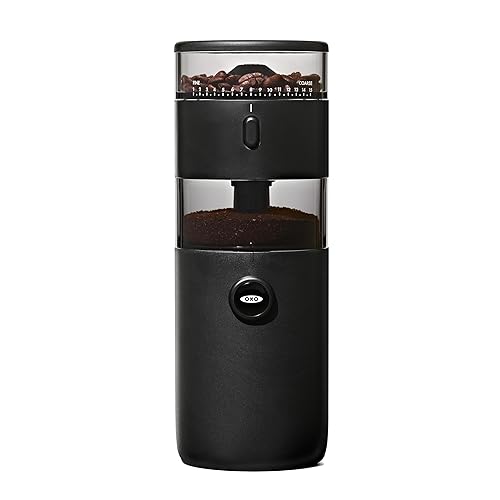
A scale makes caffeine and ratio control repeatable, since weight is more reliable than scoops. View on Amazon
A gooseneck kettle gives you steady, controllable pours that keep contact time consistent. View on Amazon
FAQ
Does pour over have more caffeine than drip coffee?
It can, but not reliably. Pour over and drip use similar doses, and the difference usually comes from grind size and brew time rather than the method itself.
How can I make a lower-caffeine pour over?
Reduce the coffee dose, use a coarser grind, and shorten total brew time. Keeping water slightly cooler can also lower extraction a little.
Is pour over coffee caffeine content different for decaf?
Yes. Decaf still contains a small amount of caffeine, typically a few milligrams per cup, so it is not caffeine-free. Anyone with medical concerns about caffeine should consult a doctor.
Conclusion
Pour over coffee caffeine content is something you can control rather than leave to chance. Weigh your dose, pick a grind that matches your goal, and keep brew time consistent. Once you change one variable at a time, you can dial in a cup that fits your energy needs and your taste.
Related reading
- Water Temperature for Pour Over Coffee: 200–205°F for Balanced Flavor
- Pour Over Iced Coffee: A Step-by-Step Guide to a Bright, Clean Cup
- Pour Over Coffee Water Temp: The Right Range and How to Dial It In
Ready to choose one?
About Miles Sinclair
Miles Sinclair is part of our editorial team and reviews and edits our coffee beans & brewing methods guides, checking product details against manufacturer specifications and owner feedback.