As an Amazon Associate we earn from qualifying purchases. This page may contain affiliate links.
Most coffee sold for home brewing comes from two species, Coffea arabica and Coffea canephora (robusta). Within those species are hundreds of varieties, growing regions and processing methods, and together they determine how a cup tastes before you ever pick up a grinder. This guide explains the main types of coffee beans, how to tell them apart on a bag, and how to choose the one that fits your brewing method and taste.
Start with the Species: Arabica, Robusta and Liberica
The species is the first and broadest difference between beans. Arabica and robusta dominate the commercial market, while liberica and excelsa appear far less often. Each species has a different growing habit, a different chemical profile and a different flavor range, so the species alone tells you a lot about what to expect.
Arabica
Arabica is the species most specialty roasters work with. It grows best at higher elevations, often between roughly 1,000 and 2,000 meters depending on the region, and it needs steady temperatures and a fairly defined rainy season. Arabica plants are more demanding to grow, which is one reason the beans cost more to produce. In the cup, arabica usually shows brighter acidity, more sugar-like sweetness and a wider range of fruit, floral and tea-like notes. Many people describe it as more complex, though that is a flavor judgment rather than a measurement.
Robusta
Robusta is hardier. It tolerates heat, pests and lower elevations, and it produces more beans per plant. Its caffeine content is commonly reported at about twice that of arabica, and its flavor tends toward heavier body, lower acidity, and notes that roasters often describe as woody, nutty, dark chocolate or rubbery when poorly processed. Robusta shows up in many espresso blends and in instant coffee, where its body and crema-forming ability are useful. Good robusta exists, but it is less common in single-origin bags aimed at pour-over drinkers.
Liberica and Excelsa
Liberica (Coffea liberica) is grown in a small number of regions, including parts of Southeast Asia and West Africa. It is known for a large, irregular bean shape and a smoky, fruity, sometimes woody profile. Excelsa is now generally treated as a variety of liberica rather than a separate species, though you may still see it listed separately on some bags. Both are rare in mainstream retail, so you will mostly encounter them in specialty shops or regional markets.
| Species | Typical flavor | Acidity | Caffeine (commonly reported) | Where you usually find it |
|---|---|---|---|---|
| Arabica | Sweet, fruity, floral, complex | Higher, often bright | Lower | Single-origin bags, specialty blends, pour-over |
| Robusta | Heavy body, dark chocolate, nutty, earthy | Lower | About twice arabica | Espresso blends, instant coffee, budget blends |
| Liberica | Smoky, fruity, woody | Varies | Varies | Specialty and regional sources |
For a broader look at how species, roast and freshness work together, see Coffee Beans Explained: Species, Roasts and Freshness.
Know the Varieties Within Arabica
Once you have decided on arabica, the next layer is variety. A variety is a genetic line within a species. Some are old, widely grown lines, and others were bred for disease resistance or yield. Variety matters because it affects cup quality as well as how the plant performs in the field.
Common Arabica varieties
- Typica: One of the oldest varieties. Often described as clean, balanced and medium-bodied, with a sweetness that suits pour-over.
- Bourbon: A mutation of Typica with a sweet, juicy profile. Many Bourbon-type coffees show red fruit and caramel notes.
- Caturra: A mutation of Bourbon with a more compact plant. It is common in Central and South America and often gives a bright, lively cup.
- Gesha (Geisha): Known for jasmine, bergamot and tea-like aromatics. It is grown in a few countries and is usually sold at a premium.
- SL28 and SL34: Varieties developed in Kenya, often associated with blackcurrant and bright acidity in that region.
- Pacamara: A large-bean hybrid of Pacas and Maragogype. It tends to show a juicy, layered profile with notes of tropical fruit.
You will not always see the variety printed on a bag. Specialty roasters that list it are giving you more information, and it is worth paying attention when the label includes it.
Read the Origin, Processing and Roast
Two beans of the same variety can taste very different if they come from different places or were processed differently. Three factors on the label do most of the work: origin, processing method and roast level.
Origin
Origin covers the country, region and sometimes the specific farm or cooperative. Altitude, soil, rainfall and local farming practices all leave a trace in the bean. Ethiopian coffees are often floral and fruity, Central American coffees often balanced and chocolatey, and many East African coffees bright and citrus-forward. These are general tendencies, not guarantees. For more detail, see Coffee Origins: How Growing Regions Shape Flavor.
Processing method
Processing is how the cherry is separated from the seed (the bean) and dried. The most common methods are:
- Washed: The fruit is removed before drying. Cups tend to be cleaner and brighter, with the origin character easier to taste.
- Natural: The whole cherry dries around the bean. Cups often show heavier fruit, wine-like or jammy notes, and a fuller body.
- Honey: Part of the fruit mucilage is left on during drying. The result usually sits between washed and natural, with some sweetness and body.
Roast level
Roast level changes the flavor more than most people expect. Light roasts keep more of the origin character, including acidity and floral notes. Dark roasts emphasize roast-driven flavors such as chocolate, caramel and smoke, and they hide some origin differences. Medium roasts sit between the two. If you want a closer comparison, read Coffee Roast Levels Explained: Light, Medium and Dark.
Match the Bean to Your Brewing Method
Bean type is only part of the choice. The method you use will pull different flavors out of the same coffee. A light, washed Ethiopian that tastes delicate in a pour-over may taste sour or thin as espresso. A robusta-heavy blend that works in a moka pot may taste flat in a clean paper-filter brew.
- Decide what you want from the cup. Bright and clear suggests a light, washed arabica. Heavy, chocolatey and creamy suggests a medium-dark roast, a natural process or a robusta blend.
- Choose a brew method that suits the bean. Pour-over and drip favor single-origin arabica with clean acidity. Espresso and moka pot can handle darker roasts and blends with robusta.
- Adjust grind and ratio. Denser, darker beans often need a slightly different grind and dose than light roasts. Start with a standard recipe and change one variable at a time.
- Taste and adjust. Brew the same coffee twice, changing only grind size or water temperature, and note what changed.
For method-specific starting points, see How to Make Pour-Over Coffee: Step by Step and How to Use a Moka Pot: Stovetop Coffee Step by Step. If you need dosing guidance, Coffee-to-Water Ratios: Measuring for Each Method covers the numbers.
Checklist: What to Look for on a Bag
When you are comparing bags, use this checklist before you buy:
- Species listed (Arabica, Robusta, or a blend stating both)
- Country or region of origin, and ideally the producer or farm
- Variety, if provided
- Processing method (washed, natural, honey)
- Roast level or roast date, not just a best-by date
- Tasting notes that describe the flavors you expect to find
For a full walkthrough of reading labels, see Buying Coffee Beans: How to Read a Coffee Bag.
Common Mistakes When Choosing Beans
- Assuming dark roast means stronger. Dark roasts often taste bolder, but they do not contain more caffeine in any meaningful way. Strength depends on your dose and ratio.
- Buying by tasting notes alone. Notes like “blueberry” or “jasmine” are useful, but they describe a target flavor, not a guarantee. Use them alongside the processing and roast information.
- Ignoring the roast date. Even excellent beans lose aromatics over time. Buy within a few weeks of roasting when you can, and store them properly. How to Store Coffee Beans So They Stay Fresh explains how.
- Using the same grind for every bean. Light, dense washed coffees often need a finer grind than you might expect, and dark roasts often need a slightly coarser one. Adjust after tasting.
- Buying a robusta blend and expecting specialty flavor. Robusta-heavy blends are designed for body, crema and value. Judge them on those terms.
Tips for Trying Different Beans
- Buy small bags of two or three different types so you can compare them side by side.
- Keep your recipe fixed (same dose, water, grind and method) when you compare beans, so the bean is the only variable.
- Write down the roast date, origin, process and what you tasted. After a few bags, patterns will appear.
- Weigh your dose. Volume measurements vary widely between beans of different density and roast level. Coffee Scales: Why Weighing Coffee Helps explains why this matters.
- Use filtered water with a stable temperature. Water quality changes how every bean tastes, and Water for Coffee: Quality, Filtering and Temperature covers this in detail.
Recommended gear
These tools help you compare bean types fairly and get the most from each bag.
- A digital coffee scale. Weighing your dose keeps results consistent from bag to bag. Look for one with a timer and 0.1-gram resolution. Check price on Amazon
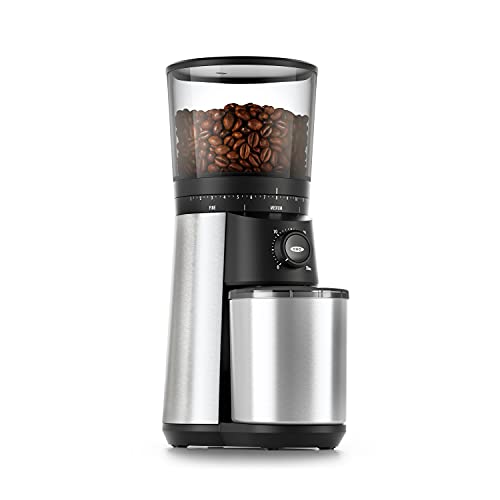
- A burr grinder. Consistent particle size makes the flavor differences between beans easier to taste. Check price on Amazon
- An airtight canister with a one-way valve. Helps keep beans fresh between brews, which protects the flavors you are trying to compare. Check price on Amazon
FAQ
What are the two main types of coffee beans?
The two main commercial species are arabica and robusta. Arabica usually tastes sweeter and more acidic, with more complex fruit and floral notes. Robusta has more body, lower acidity and about twice the caffeine, according to commonly reported figures.
Is arabica or robusta better?
Neither is better for every purpose. Arabica is the usual choice for pour-over and single-origin brewing, while robusta is common in espresso blends and instant coffee for its body and value. Your taste and brew method should decide.
Does the bean variety matter if the label says arabica?
Yes. Variety, such as Typica, Bourbon or Gesha, affects flavor and sometimes price. Many labels do not list it, but when they do, it gives you more information about what to expect.
Do dark roast beans have more caffeine?
Not in any meaningful way for home brewing. Roasting reduces the bean’s mass slightly, so measured by volume a dark roast can contain marginally less caffeine, but the difference is small. Your dose and brew ratio have a far larger effect on how strong the cup is.
Where should I start if I am new to specialty beans?
Start with a single-origin arabica from a well-known growing region, roasted medium or medium-light, with a roast date printed on the bag. Brew it with a consistent recipe and compare it to a second bag from a different origin. For a broader starting point, see Coffee for Beginners: Start Brewing Good Coffee at Home.