 By Audrey Hayes
Updated November 2026
Most people who ask where does Starbucks get their coffee beans are really trying to figure out two things: where the beans come from, and which Starbucks whole bean bag is worth buying for home brewing. This guide answers both. Starbucks publicly states that its coffee is 100% Arabica, sourced through its own ethical sourcing program and from farming regions across Latin America, Africa and Asia-Pacific. Below, we compare six Starbucks whole bean options based on the things that matter most to home brewers: roast level, intended brewing method, bean composition and how well each product suits everyday use. We did not test these coffees ourselves. The picks are based on product specifications, brand reputation and common owner feedback patterns.
Our top picks at a glance
- 1
 TOP CHOICEBest overallStarbucks Whole Bean Coffee, Medium Roast Coffee, Pike Place RoastView on Amazon
- 2
 TOP CHOICEBest for espressoStarbucks Coffee Espresso-style Decaf Whole BeanView on Amazon
- 3
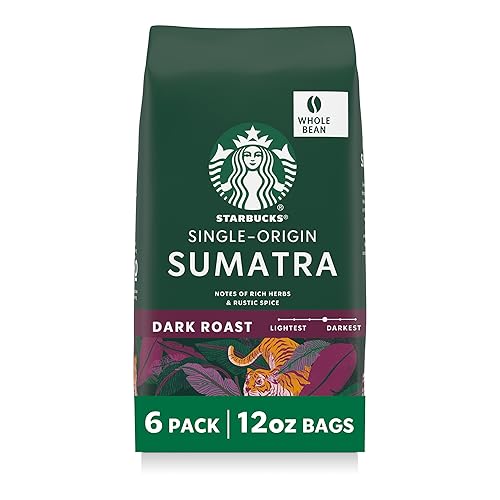 TOP CHOICEBest for bold, dark-roast drinkersStarbucks Whole Coffee Beans, Dark Roast Single-Origin SumatraView on Amazon
- 4
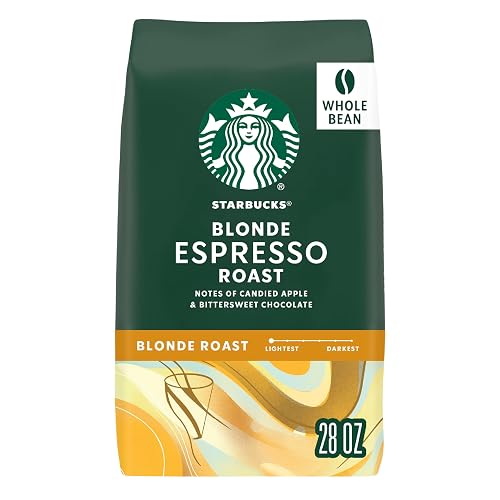 Best for a light, mellow cupStarbucks 100% Arabica Blonde Espresso RoastView on Amazon
- 5
 Best for a seasonal treatStarbucks Holiday Blend Whole Bean CoffeeView on Amazon
- 6
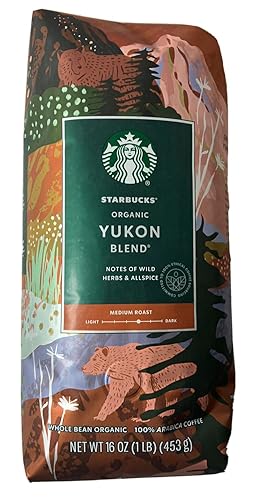 Best for a responsibly sourced everyday coffeeStarbucks Organic Yukon BlendView on Amazon
Where Starbucks Gets Its Coffee Beans
Starbucks buys green coffee from many growing regions, and the company describes its sourcing as a mix of direct relationships with farms and purchases through cooperatives and importers. Its sourcing framework, known as C.A.F.E. Practices (Coffee and Farmer Equity), sets social, economic and environmental standards that suppliers must meet. Starbucks also reports working with agronomists and farmer support programs in producing countries.
The beans themselves are almost entirely Arabica, the species that makes up the majority of the world’s specialty coffee. Arabica is generally grown at higher altitudes, typically in the range of roughly 1,000 to 2,000 meters depending on the region, and it tends to produce more nuanced acidity and sweetness than Robusta. Starbucks’ stated position is that its core coffee is 100% Arabica, which is worth knowing if you are comparing bags on the shelf. For more background on how growing conditions shape flavor, see Where Do Coffee Beans Come From? Regions, Species and Altitude.
Starbucks sources from multiple countries rather than one estate, which is why its blends are built around consistency. Roasters that blend beans from several origins can balance acidity, body and sweetness season after season, even when individual harvests vary. Single-origin releases, such as the Sumatra coffee in this list, show a different side of the company’s range: a recognizable origin profile with more earthy and herbal character.
If you want a broader view of how the brand’s coffees compare with other roasters, Where to Find Coffee Beans: A Step-by-Step Guide for Buyers walks through how to evaluate a bag’s origin, roast date and packaging.
Our Top Picks
Quick Comparison
| Product | Best for | Key feature |
|---|---|---|
| Starbucks Whole Bean Coffee, Medium Roast Coffee, Pike Place Roast | Everyday drip and pour-over | 100% Arabica medium roast, 18 oz bag |
| Starbucks Coffee Espresso-style Decaf Whole Bean | Evening espresso drinks | Decaffeinated, 16 oz whole beans |
| Starbucks Whole Coffee Beans, Dark Roast Single-Origin Sumatra | Bold, full-bodied cups | Single-origin Sumatra, six 12 oz bags |
| Starbucks 100% Arabica Blonde Espresso Roast | Light, mellow brewing | Blonde roast, 28 oz bag |
| Starbucks Holiday Blend Whole Bean Coffee | Seasonal gifting and treats | Limited-edition medium roast |
| Starbucks Organic Yukon Blend | Organic everyday coffee | Organic medium roast, 1 lb bag |
Starbucks Whole Bean Coffee, Medium Roast Coffee, Pike Place Roast
Starbucks Whole Bean Coffee, Medium Roast Coffee, Pike Place Roast, 100% Arabica, 1 bag (18 oz)
Best for: Everyday drip and pour-over brewing
This is the bag most people picture when they think of Starbucks at home. It suits anyone who wants a dependable, balanced cup without experimenting with origins or brewing variables.
Key specs
- 100% Arabica whole beans
- Medium roast
- 18 oz bag
Pros
- Balanced, approachable flavor that works for most brewing methods
- Easy to find and consistent from bag to bag
- Clearly labeled as 100% Arabica
Cons
- Less distinctive than single-origin or specialty releases
- Smaller bag size means more frequent reordering for heavy drinkers
Bottom line: A safe first choice for anyone who wants a reliable everyday Starbucks coffee for drip or pour-over. Pairs well with the brewing approach in Starbucks Pike Place Medium Roast Whole Bean Coffee: How to Brew It Right (2026).
Starbucks Coffee Espresso-style Decaf Whole Bean
Starbucks Decaf Espresso Whole Bean Coffee, 16 oz
Best for: Evening espresso drinks without the caffeine
This is for drinkers who enjoy the flavor of a dark, espresso-style roast but want to avoid caffeine later in the day.
Key specs
- Decaffeinated whole beans
- Espresso-style roast profile
- 16 oz bag
Pros
- Lets you enjoy espresso-style flavor after dinner
- Whole beans preserve more aroma when ground fresh
- Suitable for both espresso machines and moka-style pots
Cons
- Decaffeination can slightly mute some of the bean’s natural sweetness
- Not ideal if you want a bold, high-caffeine shot
Bottom line: The best choice when you want espresso flavor late in the day. For dialing in shots, see Starbucks Coffee Espresso Beans: A Step-by-Step Guide to Brewing Better Shots.
Starbucks Whole Coffee Beans, Dark Roast Single-Origin Sumatra
Starbucks Whole Coffee Beans, Dark Roast Hot or Iced Coffee, Single-Origin Sumatra, Six 12 oz Bags
Best for: Bold, full-bodied cups with a distinct origin character
Sumatra coffees are known for their heavy body and earthy, herbal notes. This pack suits drinkers who prefer a strong, low-acid cup and want to try a single-origin profile.
Key specs
- Single-origin Sumatra beans
- Dark roast
- Six 12 oz bags
Pros
- Distinct, recognizable origin character
- Multi-bag pack helps you keep a steady supply on hand
- Works well for both hot and iced coffee
Cons
- Dark roast can taste heavy or smoky to drinkers who prefer brighter cups
- Bold profile may not suit pour-over fans looking for clarity
Bottom line: A strong pick for drinkers who like body and depth. For more dark roast options, see 5 Best Dark Roast Starbucks Coffee Beans for Bold Brewing (2026).
Starbucks 100% Arabica Blonde Espresso Roast
100% Arabica whole bean coffee; Starbucks Blonde Espresso Roast; 1 bag, 28 oz Starbucks Whole Bean Blonde Espresso Roast Coffee, 28 oz Bag
Best for: Light, mellow brewing and milder espresso drinks
Blonde roasts are roasted for a shorter time, which generally keeps more of the bean’s original character. This suits people who find traditional dark roasts too bitter.
Key specs
- 100% Arabica whole beans
- Blonde espresso roast
- 28 oz bag
Pros
- Lighter body and gentler bitterness than darker roasts
- Large bag size offers good value for regular drinkers
- Clearly labeled as 100% Arabica
Cons
- Less of the roasted, chocolate-forward character some drinkers expect
- Lighter roasts are more sensitive to grind size and water temperature
Bottom line: Ideal for drinkers who prefer a smoother, lighter cup. For more blonde options, see Starbucks Blonde Espresso Roast Whole Bean Coffee: 6 Best Picks Compared.
Starbucks Holiday Blend Whole Bean Coffee
Starbucks Holiday Blend Whole Bean Coffee, Medium Roast, Limited Edition
Best for: Seasonal gifting and holiday-themed mornings
This limited-edition medium roast is released for the winter season. It suits people who like rotating seasonal coffees or want a gift that feels festive.
Key specs
- Medium roast
- Limited-edition seasonal blend
- Whole bean format
Pros
- Seasonal flavor profile that differs from the everyday lineup
- Works as a gift for coffee drinkers
- Medium roast makes it approachable for most brewing methods
Cons
- Limited availability means you may not be able to restock the same blend
- Seasonal blends can vary in flavor from year to year
Bottom line: A good choice for a festive treat or a one-time seasonal bag. It is not a long-term everyday pick because of its limited run.
Starbucks Organic Yukon Blend
Starbucks Organic Yukon Blend 1 Pound Bag of Medium Roast Whole Bean Coffee
Best for: Organic everyday coffee with a larger bag size
This organic medium roast suits drinkers who want an organic-certified option in a bigger 1 lb bag for regular brewing.
Key specs
- Organic whole bean coffee
- Medium roast
- 1 lb bag
Pros
- Organic positioning appeals to buyers who prioritize certified ingredients
- One-pound bag is practical for daily brewing
- Medium roast suits most home methods
Cons
- Organic coffee can vary more in flavor between harvests
- Less bold than darker roasts for drinkers who prefer intensity
Bottom line: A solid pick for buyers who want an organic everyday coffee in a generous bag size. Check the organic certification on the packaging if this matters to you.
Buying Guide
Roast Level
Roast level shapes almost everything about the cup. Blonde roasts keep more of the bean’s original acidity and sweetness, medium roasts balance brightness with body, and dark roasts emphasize roasty, bittersweet flavors. If you are unsure, start with a medium roast and move lighter or darker from there.
Good picks for this: Starbucks Whole Bean Coffee, Medium Roast Coffee, Pike Place Roast; Starbucks 100% Arabica Blonde Espresso Roast
Species and Bean Composition
Check the label for “100% Arabica” versus blends that include Robusta. Arabica generally offers more complex flavor and lower bitterness, while Robusta contributes more caffeine and a heavier body. Starbucks states its core coffee is 100% Arabica, so the packaging is a useful reference point.
Good picks for this: Starbucks 100% Arabica Blonde Espresso Roast; Starbucks Organic Yukon Blend
Single-Origin Versus Blend
Blends are designed for consistency across batches, while single-origin coffees highlight the character of one growing region. If you enjoy noticing differences between cups, a single-origin bag is a good way to explore. If you want the same cup every morning, a blend is usually the better fit.
Good picks for this: Starbucks Whole Coffee Beans, Dark Roast Single-Origin Sumatra; Starbucks Whole Bean Coffee, Medium Roast Coffee, Pike Place Roast
Caffeine Content
Decaffeinated coffees still contain a small amount of caffeine, but far less than regular coffee. If you are sensitive to caffeine or want to drink coffee in the evening, decaf whole beans let you enjoy espresso-style flavor with less stimulation. For health questions about caffeine intake, consult a doctor.
Good picks for this: Starbucks Coffee Espresso-style Decaf Whole Bean
Bag Size and Freshness
Whole beans lose aroma after roasting, and the effect is faster once the bag is opened. Choose a bag size you can finish within a few weeks, store beans in an airtight container away from heat and light, and grind just before brewing. Larger bags offer better value per ounce but are best suited to frequent drinkers. For freshness-focused buying advice, see Where to Buy the Freshest Coffee Beans: 6 Best Picks in 2026.
Good picks for this: Starbucks 100% Arabica Blonde Espresso Roast; Starbucks Whole Coffee Beans, Dark Roast Single-Origin Sumatra
Brewing Method
Your brewing method should guide your bag choice. Drip and pour-over reward medium roasts with balanced flavor. Espresso benefits from darker, fuller-bodied beans. Cold brew and iced coffee often suit bolder dark roasts because the flavor holds up against dilution and cold temperatures. For a deeper look, Where to Order Green Coffee Beans: 7 Best Picks Compared (2026) covers this in detail.
Good picks for this: Starbucks Whole Coffee Beans, Dark Roast Single-Origin Sumatra; Starbucks Coffee Espresso-style Decaf Whole Bean
Organic and Ethical Sourcing
If sourcing matters to you, check whether a bag is labeled organic and read the brand’s sourcing statements. Starbucks describes its C.A.F.E. Practices framework on its own site, and organic certification appears on individual packages. Compare these claims directly on the packaging rather than relying on general impressions.
Good picks for this: Starbucks Organic Yukon Blend; Starbucks Whole Bean Coffee, Medium Roast Coffee, Pike Place Roast
FAQ
Where does Starbucks get its coffee beans?
Starbucks sources green coffee from multiple growing regions in Latin America, Africa and Asia-Pacific, purchasing through direct relationships with farms, cooperatives and importers. The company states that its core coffee is 100% Arabica and that suppliers must meet its C.A.F.E. Practices standards.
Is Starbucks coffee 100% Arabica?
Starbucks describes its core whole bean coffees as 100% Arabica. Always check the specific bag, since some products or limited releases may be labeled differently.
Does Starbucks grow its own coffee?
Starbucks does not operate its own large coffee estates in the way some companies do. It buys green coffee from farms and intermediaries and works with farmer support programs to improve quality and sustainability.
Are Starbucks whole bean coffees the same as the coffee served in stores?
Store drinks use specific blends and roast profiles chosen for espresso and brewed coffee service. Whole bean bags may use similar or related blends, but the exact product, roast and bean composition can differ, so compare labels if you want a close match.
Which Starbucks roast is best for home brewing?
Medium roasts such as Pike Place are a good starting point for drip and pour-over. Blonde roasts suit people who prefer lighter, smoother cups, and dark roasts suit bold drinkers and iced coffee. Your brewing method and taste preference should guide the choice.
How should I store whole bean coffee to keep it fresh?
Keep beans in an airtight container, away from heat, light and moisture. Grind right before brewing for the best aroma. Avoid storing coffee in the refrigerator, where condensation can affect flavor.
Conclusion
Starbucks sources its coffee from a range of growing regions and states that its core coffee is 100% Arabica, sourced under its C.A.F.E. Practices framework. For most home brewers, the Pike Place Medium Roast is the most versatile starting point. Choose the Blonde Espresso Roast for a lighter, smoother cup, the Dark Roast Sumatra for bold drinks and iced coffee, the Espresso-style Decaf for evening espresso, the Holiday Blend for a seasonal treat, and the Organic Yukon Blend if organic certification is a priority. Match the bag to your roast preference and brewing method, and the cup will follow.
Sources
- Agricultural research and crop information on coffee production and trade data (usda.gov)
- Guidance on food labeling, caffeine and food safety for packaged coffee products (fda.gov)
- Specialty Coffee Association resources on coffee roasting, grading and brewing standards
About Audrey Hayes
Audrey Hayes is part of our editorial team and reviews and edits our coffee beans & brewing methods guides, checking product details against manufacturer specifications and owner feedback.