By Audrey Hayes
Updated November 2026
The main varieties of coffee beans come from two commercially important species, Arabica and Robusta, with a handful of smaller types such as Liberica and Excelsa. Within those species are hundreds of cultivars, and each one responds differently to altitude, soil, processing and roasting. If you want the short answer on what to buy, start with Arabica for sweeter, more aromatic cups and Robusta for heavier body and higher caffeine.
Why there are so many varieties of coffee beans
Coffee is a genus, Coffea, and only a few species are grown at any scale. Arabica (Coffea arabica) accounts for the majority of specialty coffee. Robusta (Coffea canephora) is hardier, yields more per plant and is common in espresso blends and instant coffee. Liberica and Excelsa are less widely grown and show up mostly in regional markets and niche roasts.
Shopping for one? See our guide: 5 Best chocolate covered coffee beans (2026): Expert Picks.
Below the species level, growers plant named cultivars such as Typica, Bourbon, Geisha and SL28. Each cultivar has its own genetic traits for cup flavor, disease resistance and yield. That is why two coffees labeled “Arabica” can taste completely different.
The factors that change how a bean tastes
Genetics set the baseline, but several other factors shape what ends up in your cup:
- Origin and altitude. Beans grown higher and cooler tend to develop denser structure and brighter acidity. Many Arabica from Ethiopia, Kenya and Colombia are grown between roughly 1,200 and 2,000 meters.
- Processing method. Washed (wet) processing usually gives cleaner, more acidic cups. Natural (dry) processing often produces fruitier, heavier-bodied results. Honey processing falls between the two.
- Roast level. Light roasts preserve origin character. Dark roasts push flavors toward chocolate, caramel and smoke and mute the differences between varieties.
- Freshness. Roasted beans lose aromatic compounds over time. Most roasters recommend using whole beans within a few weeks of the roast date.
Arabica vs. Robusta: how to choose
For most home brewers, the Arabica versus Robusta question comes down to taste and caffeine. The table below summarizes the typical differences as described by roasters and industry references.
| Trait | Arabica | Robusta |
|---|---|---|
| Typical flavor | Sweet, floral, fruity, complex | Bold, earthy, woody, bittersweet |
| Caffeine | Lower | Roughly double Arabica, per common references |
| Acidity | Higher, often bright | Lower |
| Body | Lighter to medium | Heavier, thicker crema |
| Growing conditions | Higher altitude, cooler climates | Lower altitude, hotter, more disease-resistant |
Many espresso blends mix the two to get crema and body from Robusta alongside sweetness from Arabica. If you want to compare the two more closely, see Robusta Coffee Beans vs Arabica Beans: Flavor, Caffeine and How to Choose for brew-specific guidance. Vietnamese-style coffee relies heavily on Robusta, which is covered in Robusta Beans for Vietnamese Coffee vs Arabica (2026): Which Is Better?.
Less common varieties and specialty lots
Liberica has a large, irregular bean and a smoky, floral profile, and it is grown mainly in parts of Southeast Asia and West Africa. Excelsa is sometimes classed as a separate species and is valued for tart, fruity notes in blends. Both are rare in mainstream retail.
Within Arabica, a few famous lots command strong demand. Jamaican Blue Mountain is one example, and our guide Jamaican Blue Mountain Coffee Beans: 7 Best Picks Compared (2026) explains what to look for. Wild and forest-grown beans are another niche category; see What Are Wild Bean Coffee Beans? Origins, Flavor and Buying Tips. Single-origin coffees let you taste a specific farm or region rather than a blend, as discussed in Single Origin Coffee Beans: 6 Best Picks Compared (2026).
Practical steps for choosing and brewing varieties
- Check the label for species. “Arabica,” “Robusta,” or a blend percentage should be listed. Vague terms like “coffee beans” alone tell you little.
- Look for the origin country and, if possible, the region or farm. Altitude is often listed too.
- Note the roast date, not just a best-by date. Aim for beans roasted within the past few weeks.
- Start with a light or medium roast of a single origin to taste the variety clearly before trying blends.
- Use a consistent starting ratio, such as 1:16 (coffee to water by weight) for pour-over, and adjust grind size until extraction tastes balanced.
- Store whole beans airtight, away from heat, light and moisture. Grinding just before brewing preserves the most flavor.
What we’d use
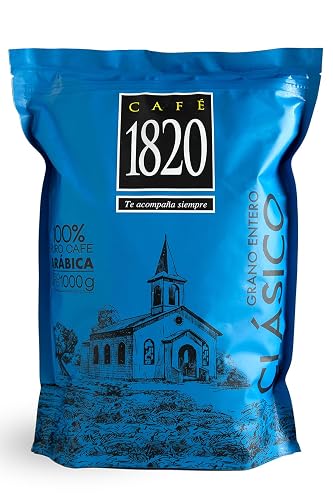
For a single-origin Arabica that shows off variety differences clearly, look for a light-roast bag with a stated origin and processing method: View on Amazon. For a bold, low-acid blend with a Robusta component for espresso-style brewing, try View on Amazon. To keep whole beans fresh between brews, an opaque airtight canister helps: View on Amazon.
Related questions
What is the most popular coffee bean variety?
Arabica is the most widely grown and consumed variety, making up most of the world’s specialty and retail coffee.
Does Robusta have more caffeine than Arabica?
Yes. Common references put Robusta at roughly twice the caffeine content of Arabica by weight.
Are coffee beans from different countries really different?
Yes. Origin, altitude, cultivar and processing all influence flavor, so beans from Ethiopia often taste very different from those grown in Brazil.
Which variety is best for espresso?
Many espresso blends combine Arabica for sweetness and aroma with Robusta for body and crema. Single-origin Arabica also works well if you dial in your grind carefully.
How long do coffee beans stay fresh?
Whole beans are best within a few weeks of roasting when stored airtight. Consult your roaster’s guidance for specific recommendations.
Ready to choose one?
About Audrey Hayes
Audrey Hayes is part of our editorial team and reviews and edits our coffee beans & brewing methods guides, checking product details against manufacturer specifications and owner feedback.