By Spencer Wallace
Updated November 2026
Wild bean coffee beans are coffee beans harvested from plants that grow with little or no human cultivation, usually in forest understory or remote highland areas. They are not a single variety. Their flavor, size and consistency vary widely, and buyers should check the origin and processing details before purchasing.
Why Wild Coffee Is Different From Cultivated Coffee
Most commercial coffee comes from managed farms where plants are pruned, fertilized and replanted on a schedule. Wild coffee grows on trees that have seeded naturally, often among other plants and shade trees. Because these plants are not selected for yield, the cherries ripen unevenly and the bean quality can be inconsistent from one harvest to the next.
Shopping for one? See our guide: 5 Best chocolate covered coffee beans (2026): Expert Picks.
Many wild coffees are classified as Arabica, though some wild populations are Robusta or hybrids. The species matters, but so does the environment. Shade, altitude, soil and rainfall all shape the sugars and acids that develop inside the seed.
Factors That Shape the Cup
Several variables determine how a wild bean will taste once roasted and brewed:
- Altitude: Higher-grown beans typically develop denser structure and brighter acidity. Many wild stands are found at elevations that suit slow maturation.
- Processing method: Washed, natural and honey processing each affect body and sweetness. Wild coffee is often processed by small local collectives, so methods vary.
- Harvest selection: Because cherries ripen unevenly, careful picking of only ripe fruit makes a large difference. Mixed picking produces a more uneven batch.
- Roast level: Lighter roasts show the origin character. Darker roasts can mask differences but may suit beans with lower density.
If you are new to comparing origins, our guide to Where Do Coffee Beans Come From? Regions, Species and Altitude explains how these factors interact.
Wild Coffee and Species Differences
Buyers often assume all wild beans are the same species. They are not. Wild Arabica tends to produce more delicate, floral and fruit-forward cups, while wild Robusta is heavier and more bitter. If you are unsure which you have, read the label carefully. For a broader overview, see Types of Coffee Beans: Arabica, Robusta and More Explained.
How to Brew Wild Bean Coffee Well
Wild beans are often less uniform in density and moisture, so a steady brew method helps reveal their character. A pour-over with a ratio of about 1:16 (15 grams of coffee to 240 grams of water) is a sensible starting point. Use water between 198°F and 204°F and a medium-fine grind, adjusting from there based on taste.
For a more forgiving option, a French press with a coarse grind and a four-minute steep works well for heavier-bodied wild beans.
Practical Tips for Buying and Storing
- Check the origin country, region and farm or cooperative name on the bag.
- Look for a roast date, not just a best-by date, and buy within a few weeks of roasting.
- Ask the roaster about processing method and harvest season.
- Store beans in an airtight container away from heat, light and moisture.
- Grind just before brewing to keep aromatics intact.
Freshness matters more with wild coffee than with many commodity beans, because uneven ripeness can make staleness show up faster. Our article on How to Store Coffee Beans So They Stay Fresh covers container choices and storage habits in detail.
Wild Coffee Versus Specialty Single Origin
Wild coffee is sometimes sold alongside specialty single origin beans, but the two categories are not the same. Single origin describes a traceable growing area. Wild describes how the plant grows. A single origin bean may come from a managed farm, and a wild bean may be blended by a roaster. Read the packaging and ask questions to understand what you are getting. For comparisons of traceable beans, see Single Origin Coffee Beans: 6 Best Picks Compared (2026).
What We’d Use
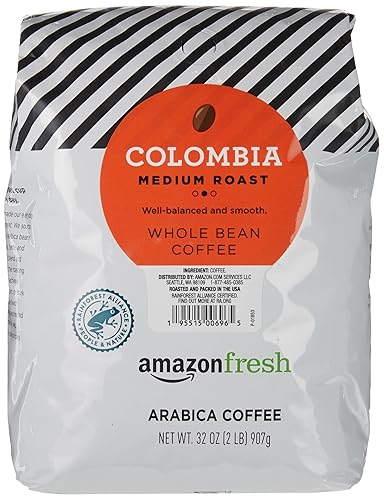
Wild coffee is usually sold by specialty roasters rather than mass-market brands, so it can be hard to find on general retail sites. If you prefer a reliable starting point for ground or whole-bean coffee from a single origin, search for a bag that lists its origin, processing and roast date clearly.
- A light to medium roast single origin Arabica from a traceable farm, to taste the wild character with clarity. View on Amazon
- A small-batch wild or forest-grown coffee from a named cooperative, if you want to explore the category directly. View on Amazon
Related Questions
Are wild coffee beans the same as Arabica?
Not always. Many wild coffee plants are Arabica, but some are Robusta or hybrids. Check the species listed on the bag or ask the roaster.
Do wild coffee beans taste better?
They can taste more complex, but results vary. Quality depends on harvest selection, processing and roasting as much as on the wild origin.
Is wild coffee more sustainable?
Wild stands can support forest ecosystems, but sustainability depends on how the beans are harvested and traded. Ask about the cooperative and harvest practices.
How should I brew wild coffee at home?
Start with a 1:16 ratio, water near 200°F and a medium-fine grind for pour-over. Adjust grind and time based on how the cup tastes.
How long do wild coffee beans stay fresh?
Whole beans are best within a few weeks of roasting when stored in an airtight container away from heat and light.
Related reading
Ready to choose one?

About Spencer Wallace
Spencer researches and writes buying guides and how-to articles on coffee beans & brewing methods. Picks are based on product specifications, brand reputation and patterns in owner feedback, and are updated as new models come out.