By Miles Sinclair
Updated November 2026
If you want to learn more about coffee, the fastest path is to understand five things: where the beans come from, how they are roasted, how finely they are ground, what water you use, and how much coffee goes into each cup. Master those and most of the flavor mystery disappears. This guide walks through each one in plain terms so you can start improving your cup tonight.
Why Coffee Tastes Different From One Cup to the Next
Coffee is a seed from a cherry-like fruit, and its flavor is built in stages. The plant’s species and growing altitude set the starting character. Processing after harvest adds fruit, wine or earthy notes. Roasting then develops sugars and creates the aromas you recognize as chocolate, caramel or toast. Brewing extracts those compounds into water. A change at any stage shows up in the cup, which is why two bags of “medium roast” can taste nothing alike.
Shopping for one? See our guide: 5 Best chocolate covered coffee beans (2026): Expert Picks.
For a clear starting point on the plant side, read Types of Coffee Beans: Arabica, Robusta and More Explained and Where Do Coffee Beans Come From? Regions, Species and Altitude. Arabica generally shows brighter acidity and more complex aromatics, while Robusta tends toward heavier body and more bitterness. Neither is “better” in every case; they simply do different things.
The Factors That Shape Flavor
Bean Origin and Species
Beans from high-altitude farms often grow more slowly and develop denser structure and sharper acidity. Beans from lower, hotter regions can taste rounder and sweeter. If you enjoy a specific fruit or floral note, a single-origin coffee from one farm or region lets you taste that character without blending. See Single Origin Coffee Beans: 6 Best Picks Compared (2026) for examples of how this plays out.
Roast Level
Roasting is the biggest lever a roaster controls. Light roasts keep more of the bean’s original acidity and fruit. Medium roasts balance sweetness and body. Dark roasts emphasize smoke, bitterness and roasty oils. If a dark bag looks shiny, that oil is normal, and Why Are Dark Roast Coffee Beans Oily? Causes and Fixes explains why it happens and what to do about it.
Grind Size
Grind size controls extraction, which is how much flavor leaves the grounds. Finer grinds expose more surface area and extract faster. Coarser grinds extract more slowly. Too fine and the cup turns bitter and harsh. Too coarse and it tastes thin and sour. Consistency matters as much as size, because a mix of fine dust and large chunks extracts unevenly. A burr grinder gives more uniform particles than a blade grinder; see Blade Coffee Grinders: How to Get a More Even Grind for why that gap exists.
Water Quality and Temperature
Coffee is over 98 percent water, so water matters a great deal. Very soft or very hard water can both produce off flavors. Filtered water with moderate mineral content is a reliable baseline. Most brewing guides suggest water between roughly 195°F and 205°F (90°C to 96°C). Hotter water extracts more quickly; cooler water extracts more gently. For more detail, read Water for Coffee: Quality, Filtering and Temperature.
Coffee-to-Water Ratio
Ratio sets strength. A common starting point for filter coffee is about 1:16, meaning 1 gram of coffee for every 16 grams of water. For example, 20 grams of coffee with 320 grams of water. Espresso uses far more concentrated ratios, often near 1:2. Measuring with a scale instead of scoops is the single most useful habit for repeatable results.
How to Start Improving Your Coffee
You do not need to change everything at once. Work through these steps in order and change only one variable at a time so you can taste the effect.
- Buy whole beans and grind just before brewing. Pre-ground coffee loses aroma quickly.
- Choose one brewing method to learn first. Coffee Brewers Compared: Drip, Pour-Over, Press and More can help you match a method to your taste and routine.
- Weigh your coffee and water. Start at about 1:16 for filter coffee.
- Heat water to roughly 200°F (93°C) and let it cool briefly after boiling.
- Aim for even extraction. If the cup tastes sour, grind finer or brew longer. If it tastes bitter, grind coarser or shorten the brew.
- Keep a simple log of dose, grind, time and tasting notes. Patterns emerge quickly.
- Store beans airtight, away from heat, light and moisture, to protect freshness.
Tasting Like a Pro
Tasting notes give you vocabulary for what you are drinking. Start with three basics: acidity (bright, like citrus), sweetness (caramel, honey, chocolate), and body (how heavy the cup feels). Sip, let it cool a few minutes, and taste again, since flavors shift as the coffee warms and cools. Write down one word for each cup. Over time, those words map directly onto the variables above.
What We’d Use
A reliable grinder matters more than almost any other upgrade, because it controls consistency. A quality burr grinder is the most useful first purchase for most home brewers. A gooseneck kettle with temperature control helps with pour-over. A small digital scale completes the basics, since it makes every ratio repeatable.
- Burr grinder for consistent particle size: View on Amazon
- Gooseneck kettle for controlled pour-over: View on Amazon
- Digital scale with timer for ratios: View on Amazon
Related Questions
Do I need expensive equipment to make good coffee?
No. Technique, fresh beans and accurate measurement matter more than gear. A scale and a consistent grinder will improve most cups more than any single upgrade.
What is the best coffee for beginners?
A medium roast from a well-labeled bag is a good start. It is forgiving and shows how changes in grind and ratio affect flavor.
How long do coffee beans stay fresh?
Whole beans taste best within a few weeks of their roast date. Store them sealed and away from heat, light and moisture. For storage options, see Storage of Coffee Beans: 5 Best Canisters for Fresh Coffee (2026).
Why does my coffee taste sour or bitter?
Sour usually means under-extraction, so grind finer, brew longer or use hotter water. Bitter usually means over-extraction or a very dark roast, so do the opposite.
Is cold brew different from iced coffee?
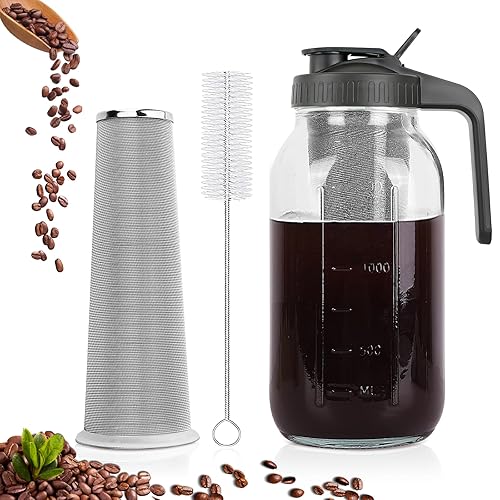
Yes. Cold brew steeps grounds in cool water for many hours, producing a smoother, less acidic cup. Iced coffee is hot-brewed and then chilled. Learn more in What Is Cold Brew Coffee? How It Differs From Iced Coffee.
Ready to choose one?
About Miles Sinclair
Miles Sinclair is part of our editorial team and reviews and edits our coffee beans & brewing methods guides, checking product details against manufacturer specifications and owner feedback.