By Miles Sinclair
Updated November 2026
Nitrogen cold brew coffee is cold brew that has been infused with nitrogen gas, which gives it a thick, creamy head and a smooth, almost stout-like mouthfeel without any dairy. Regular cold brew is the simpler version: coffee steeped in cold water and served over ice or diluted with milk. If you want a drink that feels rich and special at the bar or at home, nitrogen usually wins. If you want a flexible, low-effort drink you can make in big batches and customize freely, plain cold brew is the better fit.
| Criterion | Nitrogen Cold Brew Coffee | Regular Cold Brew |
|---|---|---|
| Texture | Creamy, dense, cascading foam | Smooth and clean, no foam |
| Flavor profile | Sweeter-tasting, softer acidity | Bold, more pronounced acidity and tasting notes |
| Serving temperature | Cold, poured straight from a tap | Cold, served over ice or from a fridge |
| Equipment needed | Nitrogen tap system or pre-canned product | Jar, filter or French press, fridge |
| Shelf life once made | Short after nitrogenation (keg or can dependent) | Roughly one to two weeks refrigerated, per common guidance |
| Customization | Limited; usually served black or with a light sweetener | Easy to dilute, add milk, syrups or flavorings |
| Ease of making at home | Harder; requires specialized gear | Very easy; mostly hands-off steeping time |
| Caffeine per serving | Depends on concentrate and serving size | Depends on concentrate and serving size |
Texture and Mouthfeel: Nitrogen Takes the Win
The biggest difference is what happens in the glass. Nitrogen gas dissolves into the coffee under pressure, and when the drink leaves the tap, the gas comes out as tiny bubbles. Those bubbles create a dense, velvety head and a cascading effect that looks a lot like a pint of stout. The mouthfeel is heavier and rounder than regular cold brew, even though the coffee itself has no added cream.
Regular cold brew is thinner and cleaner on the palate. It does not carry the same weight, but that lightness is part of its appeal for people who want a refreshing drink rather than a rich one. Winner for texture: nitrogen cold brew coffee.
Flavor Profile: Regular Cold Brew Wins for Complexity
Nitrogen tends to soften acidity. Many people describe nitro as sweeter and smoother, with chocolate or caramel notes coming forward. This happens partly because the bubbles reduce the sharp, bright edges that cold brew can have, and partly because the drink is typically served very cold, which dampens some flavors.
Regular cold brew, especially when made from a single-origin bean and brewed at a clean ratio, lets you taste more of the coffee’s character. You can pick out fruit, floral, nutty or citrus notes that often disappear under nitrogen. If you like to taste the origin of your beans, plain cold brew gives you more to work with. Winner for flavor complexity: regular cold brew. Winner for smoothness and approachability: nitrogen.
For a deeper look at how cold brew differs from other iced drinks and why its flavor profile is distinct, see What Is Cold Brew Coffee? How It Differs From Iced Coffee.
Caffeine Content: A Tie, With Caveats
Nitrogen does not add caffeine. The caffeine level depends on the coffee-to-water ratio, the grind, the steeping time and how much concentrate ends up in the final cup. A nitro drink made from a strong concentrate can be quite caffeinated, and a regular cold brew diluted heavily can be milder. Serving size matters as much as the drink type.
If you are tracking caffeine closely, check the label or the brewer’s specifications rather than assuming one style is stronger. For a specific example of how caffeine varies in a commercial nitro product, see Nitro Cold Brew Coffee Caffeine: High Brew 200mg Review (2026). Winner: tie. Neither style is inherently stronger.
Ease of Making at Home: Regular Cold Brew Wins Clearly
Regular cold brew is about as simple as coffee gets. Combine coarsely ground coffee and cold water, let it steep for 12 to 18 hours in the fridge or on the counter, then filter. Many home brewers use a 1:8 coffee-to-water ratio as a starting point, then adjust to taste. You only need a jar, a fine-mesh strainer or filter, and patience. For a full walkthrough, see How to Brew Cold Brew Coffee at Home: 5 Steps and a 1:8 Ratio.
Nitrogen at home is a different project. You need a nitrogen gas source, a regulator, a keg or a dispensing system built for nitro, and a way to chill and carbonate-style infuse the liquid. Some home setups use nitro coffee cans, which skip the equipment but cost more per serving and limit you to what the canning company offers. Owners of home nitro systems often report a learning curve with pressure settings and line cleaning, so this is a project best suited to people who enjoy the hobby side of coffee. Winner: regular cold brew.
If you want to start with the basics before considering any gear, How to Make Cold Brew Coffee at Home: A Step-by-Step Guide covers the fundamentals in plain terms.
Shelf Life and Storage: Regular Cold Brew Is More Flexible
Once nitrogen is infused, the drink has a shorter useful life, and the freshness of the bubbles fades over time. Commercial nitro is usually sold in kegs or cans with specific dates printed on them, and home nitro should be consumed within a few days for the best texture, according to most dispensing guidance.
Plain cold brew keeps well in a sealed container in the refrigerator. Many guides suggest about one to two weeks, though flavor declines gradually. You can make a large batch on Sunday and drink it through the week. Winner: regular cold brew.
Customization: Regular Cold Brew Is More Flexible
Nitro is typically enjoyed black or with a light touch of sweetener, because the foam and body are the point. Adding a lot of milk or syrup can dull the texture and muddy the flavor.
Regular cold brew works with almost anything. You can dilute it to your strength, stir in oat or dairy milk, add vanilla or cinnamon, or mix it into a tonic. This flexibility is why many people keep a jar in the fridge all week. Winner: regular cold brew.
If you are exploring flavored variations, Salted Caramel Cold Brew Coffee Review: Features and Performance shows how added flavorings can change the cup.
Cost per Serving: Regular Cold Brew Is Usually Lower
Making regular cold brew at home uses inexpensive ground coffee and water, so the per-cup cost stays low. Nitrogen, whether from a tap system or a canned product, adds equipment and packaging costs that show up in every serving. For a budget-conscious drinker, regular cold brew is the clear choice. Nitro is more of a treat. Winner: regular cold brew.
Which Should You Choose?
- Choose nitrogen cold brew coffee if you want a creamy, dense, almost dessert-like drink without dairy, and you enjoy coffee bars or a nitro tap at home.
- Choose nitrogen cold brew coffee if you prefer a sweeter, softer-tasting coffee and find regular cold brew too sharp.
- Choose regular cold brew if you want a simple, low-cost drink you can make in large batches with a jar and a filter.
- Choose regular cold brew if you like to taste origin and tasting notes, or you want to customize with milk, syrups and flavorings.
- Choose regular cold brew if you want a drink that keeps for a week or more in the fridge.
- Choose nitrogen cold brew coffee if you are willing to invest in equipment and enjoy the process of dialing in a system.
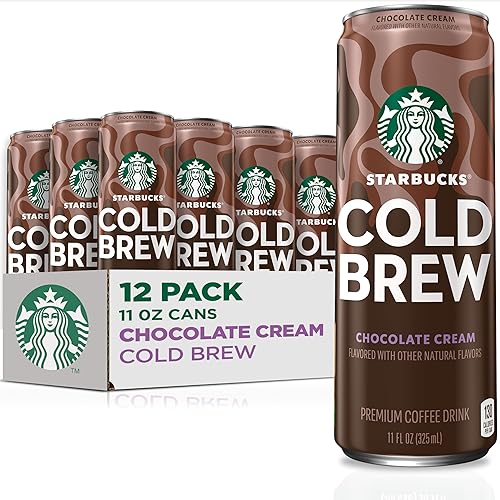
If you are still deciding, a pre-canned or bar-poured nitro is a low-commitment way to try it before buying gear. For a starting point on the home-brew side, Cold Brew Coffee Recipe: A Step-by-Step Guide for Beginners is a good first read.
Product options to consider:
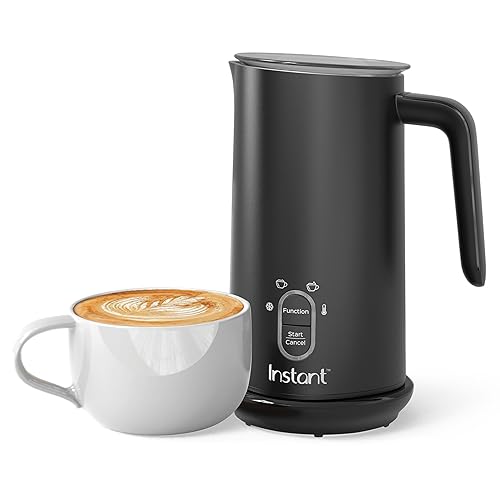
Nitrogen (home dispensing): View on Amazon
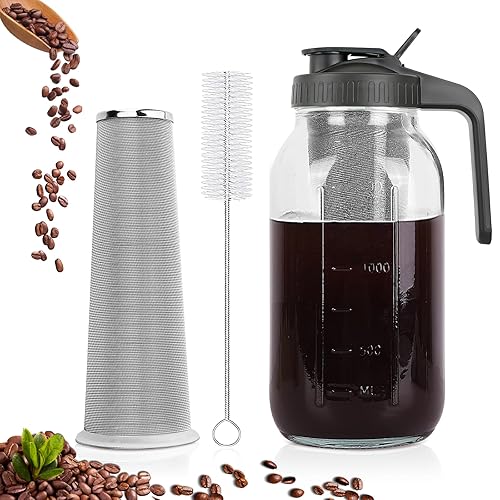
Regular cold brew (home brewing): View on Amazon
FAQ
Is nitrogen cold brew coffee stronger than regular cold brew?
Not necessarily. Nitrogen does not add caffeine. Strength depends on the coffee-to-water ratio, grind, steeping time and serving size. Check the product label or your own recipe to compare.
Why does nitro cold brew look like Guinness?
Nitrogen forms very small bubbles when released from pressure, which create a thick, creamy head and a cascading effect in the glass. The look is intentional and comes from the gas, not from any added dairy or foam agent.
Can I make nitrogen cold brew without special equipment?
Not really in the traditional sense. You need a nitrogen source and a dispensing system to get the right texture. Some people buy pre-canned nitro coffee as an alternative, but that is a packaged product rather than a homemade one.
Does nitrogen cold brew taste sweeter?
Many people perceive it as sweeter and smoother because nitrogen softens acidity and the drink is usually served very cold. Taste is personal, so try both styles side by side if you can.
How long does homemade regular cold brew last compared with nitro?
Regular cold brew stored in a sealed container in the refrigerator is commonly described as lasting one to two weeks, with flavor fading over time. Nitro is best consumed within a few days for the best texture, based on common dispensing guidance.
Conclusion
Nitrogen cold brew coffee is the better choice for texture, creaminess and a smooth, low-acid sip, especially if you enjoy the experience of a nitro tap. Regular cold brew wins on simplicity, cost, shelf life, flavor complexity and customization. For most home brewers, starting with regular cold brew makes sense, and nitro can be a later upgrade if the texture appeals to you.
About Miles Sinclair
Miles Sinclair is part of our editorial team and reviews and edits our coffee beans & brewing methods guides, checking product details against manufacturer specifications and owner feedback.