By Audrey Hayes
Updated November 2026
Medium coarse grind coffee beans have a texture close to coarse sea salt, with particles that are noticeably larger than table sugar but not chunky. This grind suits brewing methods that steep grounds for several minutes, such as Chemex-style pour-over, some Clever Dripper setups, and certain drip machines. This guide shows you how to dial in that texture, what to adjust when results taste off, and which tools make consistency easier.
What a Medium Coarse Grind Looks and Feels Like
Rub a pinch between your fingers. A medium coarse grind feels gritty and distinct, and individual particles stay separate instead of clumping into powder. Visually, most particles fall in the 700 to 900 micron range, and the grounds look like coarse sand or kosher salt. If you see fine dust, the grind is too fine for this category. If you see large, irregular chunks, you have gone too coarse.
How to Set Your Grinder for Medium Coarse
Start with a burr grinder, since blade grinders produce uneven particle sizes that make extraction hard to control. Follow these steps:
- Set the grinder to a mid-coarse position, roughly halfway between its finest and coarsest settings.
- Grind 15 to 20 grams of beans and check the texture against the description above.
- If the grounds feel too fine, move the setting one or two steps coarser and grind again.
- Brew a test cup. Adjust in small increments, and change only one variable at a time.
Grinder scales vary widely between brands, so there is no universal number to copy. Keep a note of the setting that works for your beans and brewer. For a broader walkthrough, see How to Grind Coffee Beans: A Step-by-Step Guide for Home Brewers.
Matching Medium Coarse to Your Brewing Method
Medium coarse suits brewers where water contacts grounds for four to six minutes. Pour-over with a flat-bottom dripper and full immersion methods with a short steep both fit this range. Use a ratio of about 1:15 to 1:17 (coffee to water by weight) as a starting point, and water near 200°F (93°C).
| Brew Method | Typical Steep Time | Grind Adjustment |
|---|---|---|
| Flat-bottom pour-over | 3 to 4 minutes | Medium coarse, slightly finer if the cup tastes thin |
| Immersion (short steep) | 4 to 5 minutes | Medium coarse, coarser if bitter |
| Drip machine | 5 to 6 minutes | Medium coarse, adjust with water temperature |
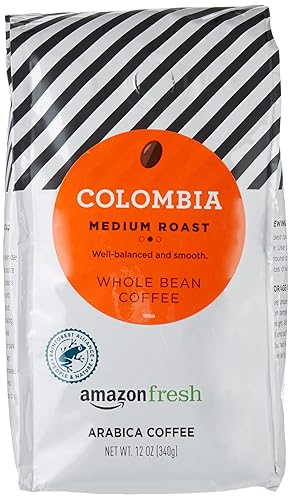
Many readers also want to know which beans pair well with this grind. A medium roast is a reliable choice, and you can browse 5 Best Medium Grind Coffee Beans of 2026 for ideas.
Common Mistakes With Medium Coarse Grinds
- Grinding too far ahead. Pre-ground coffee loses aroma within minutes, so grind just before brewing.
- Ignoring the bloom. Wet the grounds with a small amount of water and wait 30 seconds before the main pour.
- Using a blade grinder. Mixed particle sizes cause sour and bitter flavors together.
- Changing too many variables. Adjust grind, ratio, or temperature one at a time.
- Chasing a single “perfect” setting. Fresh beans from a new bag may need a small grind change.
Recommended Gear
A burr grinder gives the most even particle size for this texture. View on Amazon is a commonly recommended entry-level burr grinder with a range of settings suited to medium coarse. A gooseneck kettle makes water pouring more controlled, and View on Amazon is a familiar option for pour-over work. A digital scale helps you hit consistent ratios, so View on Amazon is worth considering if you brew by weight.
FAQ
Is medium coarse the same as coarse grind?
No. Coarse grinds are larger and suit longer steeps like cold brew or a French press. Medium coarse sits between medium and coarse, and it works for shorter brew times.
How can I tell if my grind is too coarse?
If the cup tastes weak, sour, or watery, the grind is likely too coarse. Move the setting one step finer and brew again.
Can I use medium coarse for espresso?
No. Espresso needs a much finer grind to build pressure and extract in about 25 to 30 seconds.
Conclusion
A medium coarse grind gives you control over extraction for pour-over and short-steep brewing. Start with a burr grinder, set a mid-coarse position, and adjust one step at a time based on taste. With consistent grinding and steady water temperature, your cups will become more predictable from day to day.
Related reading
- Medium Dark Roasted Coffee Beans: How to Choose and Brew Them (2026)
- Best Coffee Machines That Grind Beans: 6 Picks for Fresh Cups at Home
- 7 Best Medium Roasted Coffee Beans of 2026
- 7 Best Medium Roast Coffee Beans for Everyday Brewing (2026)
Ready to choose one?
About Audrey Hayes
Audrey Hayes is part of our editorial team and reviews and edits our coffee beans & brewing methods guides, checking product details against manufacturer specifications and owner feedback.