As an Amazon Associate I earn from qualifying purchases. This page may contain affiliate links.
Medium roast espresso coffee beans sit in a sweet spot between the bright acidity of light roasts and the heavy, bittersweet body of dark ones. For many home baristas, a medium roast produces shots with caramel and chocolate notes, moderate body and enough sweetness to balance milk drinks. The challenge is that “medium” means different things to different roasters, and a bag that tastes balanced on one machine can taste sour or thin on another. This guide compares six well-known options and explains how to judge a bag so you can pick beans that suit your grinder, your milk drinks and your taste. The selection criteria were research-based: published roast level and origin information, brand reputation among specialty buyers, and common patterns in owner feedback about freshness, consistency and espresso performance. Nothing here is based on our own testing.
Our Top Picks
Quick Comparison
| Product | Best for | Key feature |
|---|---|---|
| Lavazza Espresso Italiano Whole Bean | Classic Italian-style shots and milk drinks | Blend designed for a consistent, familiar espresso profile |
| illy Classico Whole Bean Espresso | Smooth, low-acid daily espresso | Medium roast single-blend with a creamy body |
| Peet’s Coffee Espresso Roast Whole Bean | Rich, chocolatey shots for lattes | Medium-dark leaning roast with bold sweetness |
| Kicking Horse Coffee Kick Ass Espresso | Strong shots with a bolder finish | Dark-medium blend with a robust body |
| Stumptown Hair Bender Whole Bean | Bright, fruit-forward espresso | Multi-origin blend with pronounced sweetness and acidity |
| Intelligentsia Black Cat Classic Espresso | Versatile shots for milk and black drinks | Chocolate and dried-fruit notes with a medium body |
illy Classico Whole Bean Espresso
This is a good fit for people who want a smooth, low-acid espresso they can pull every morning without much adjustment. Its medium roast and single-blend approach are designed for predictable results across shots.
Key specs
- Format: whole bean, medium roast
- Intended use: espresso and espresso-based drinks
- Profile: creamy body, mild acidity
Pros
- Forgiving to dial in across a range of grinders
- Low acidity suits sensitive palates
- Consistent batch-to-batch profile according to owner feedback patterns
Cons
- Less complex than single-origin or small-lot options
- Can taste flat if pulled as a very long shot
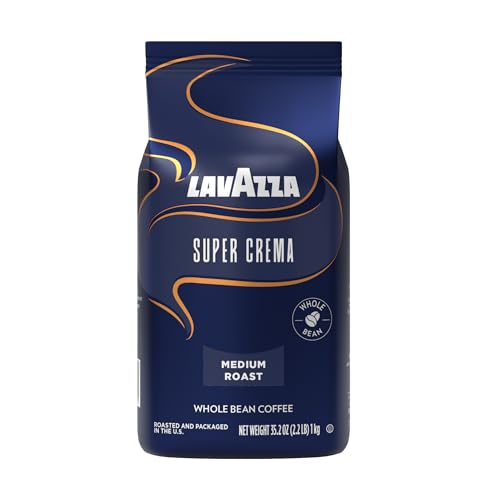
Lavazza Espresso Italiano Whole Bean
Lavazza’s medium roast blend suits people who want the familiar taste of an Italian-style bar espresso at home, especially for cappuccinos and lattes where the coffee needs to cut through milk.
Key specs
- Format: whole bean, medium roast blend
- Intended use: espresso machines and milk-based drinks
- Profile: balanced, with roasted and nutty character
Pros
- Recognizable, traditional espresso flavor
- Performs well in milk drinks
- Widely available across the US
Cons
- Blend composition is not single-origin, limiting flavor detail
- Some owners report it tastes heavier than they expected for a medium roast
Peet’s Coffee Espresso Roast Whole Bean
Peet’s Espresso Roast leans toward the darker end of medium, making it a practical choice for lattes and cappuccinos where you want chocolate sweetness to come through over milk.
Key specs
- Format: whole bean, medium-dark roast
- Intended use: espresso and milk drinks
- Profile: rich, dark-chocolate notes with low brightness
Pros
- Bold flavor that holds up in milk
- Good for drip brewing as well as espresso
- Strong brand reputation in the specialty segment
Cons
- Can taste bitter if pulled too long or too hot
- Less fruit and acidity than lighter medium roasts
Intelligentsia Black Cat Classic Espresso
Black Cat is a long-running espresso blend that many home users choose for its versatility: it works in black shots, americanos and milk drinks alike. It suits someone who wants one bag for everything.
Key specs
- Format: whole bean, espresso blend
- Intended use: espresso, milk drinks and americanos
- Profile: chocolate and dried-fruit notes, medium body
Pros
- Balanced across black and milk-based drinks
- Clear tasting notes that make dialing in easier
- Well-regarded roaster with a transparent sourcing focus
Cons
- Flavor can read as subtle for those who prefer bold espresso
- Freshness matters; owners often note it is best used within a few weeks of the roast date
Kicking Horse Coffee Kick Ass Espresso
This is a bolder option for drinkers who want a punchy shot that cuts through heavy milk. It sits between medium and dark, so it is a fit for those who find some medium roasts too soft.
Key specs
- Format: whole bean, dark-medium espresso blend
- Intended use: espresso and milk drinks
- Profile: robust body, roasted and cocoa character
Pros
- Strong body and intensity
- Stands up well to milk and flavored syrups
- Good value positioning for a bold blend
Cons
- Less nuance than lighter medium roasts
- Can taste smoky or heavy to drinkers who prefer brightness
Stumptown Hair Bender Whole Bean
Hair Bender is a multi-origin blend that leans toward brightness and fruit for a medium roast. It suits drinkers who want an espresso with more personality than a traditional house blend.
Key specs
- Format: whole bean, medium roast blend
- Intended use: espresso, with good performance as a filter coffee
- Profile: citrus and stone-fruit sweetness, moderate acidity
Pros
- Expressive, fruit-forward flavor for a medium roast
- Well-documented roaster reputation in specialty circles
- Good for black espresso drinkers
Cons
- Acidity can taste sharp on under-extracted shots
- Less suited to heavy milk drinks that need more body
Buying Guide
Choosing medium roast espresso coffee beans comes down to a few measurable factors. Knowing them helps you compare bags on paper before you buy.
Selection criteria
Look for three things: a clearly stated roast level, a roast date rather than only a “best by” date, and origin information that tells you whether the beans are single-origin or a blend. Roast level labels are not standardized across roasters, so a “medium” from one brand may sit closer to what another calls medium-dark. For background on how roast levels differ, see Coffee Roast Levels Explained: Light, Medium and Dark.
Important features
- Roast date: Freshness matters more than most people expect. Coffee is generally at its best within a few weeks of roasting.
- Blend vs. single origin: Blends aim for consistency; single origins show more regional character but can vary more.
- Bean form: Whole bean lets you grind fresh, which matters a great deal for espresso.
- Tasting notes: Useful as a directional guide, though they are descriptions rather than guarantees.
Specs to check
Medium roast beans for espresso typically reach a light brown color with some surface oil appearing only slightly. Manufacturers often specify the intended brew method, so check whether the bag names espresso specifically. If you are new to origin and processing terms, Where Do Coffee Beans Come From? Regions, Species and Altitude explains how origin affects flavor.
Choosing by need
- Milk drinks: Choose a medium-dark or chocolate-forward blend so the coffee cuts through milk.
- Black espresso: Choose a brighter medium roast with fruit or caramel notes.
- Sensitivity to acidity: Pick a low-acid, smooth blend.
- One bag for everything: Pick a versatile espresso blend that performs across drink types.
Grind size is critical for espresso. If you are working with a manual setup, Manual Coffee Grinders: What to Know Before Buying covers what to look for. For dose and ratio guidance, a scale helps; see Best Coffee Scales for Pour-Over and Espresso: 4 Scales Compared.
Things to watch out for
- A “medium” label alone does not guarantee a particular flavor profile.
- Pre-ground coffee loses aromatics quickly and is generally a poor choice for espresso.
- Very old beans can taste flat or papery even when the bag looks fine.
- Storage affects results. Keep beans sealed, cool and away from light; more detail is in How to Store Coffee Beans So They Stay Fresh.
FAQ
What does medium roast mean for espresso?
A medium roast is typically roasted until the beans reach a light-to-medium brown color, with caramel and nutty flavors developing and acidity still present. For espresso, it often produces a balanced shot with sweetness and moderate body. Exact definitions vary by roaster.
Is medium roast better than dark roast for espresso?
Neither is universally better. Medium roasts tend to show more origin character and brightness, while dark roasts produce heavier body and bittersweet notes. Many people prefer medium-dark for milk drinks and lighter medium for black espresso.
How fresh should espresso beans be?
Most specialty guidance suggests using espresso beans within a few weeks of the roast date, with the first days after roasting sometimes producing gas that affects extraction. Check the roast date on the bag when possible.
Can I use medium roast beans in a super-automatic machine?
Many super-automatic machines work well with medium roast whole beans, but grinder settings and bean oil content can affect performance. Consult your machine’s manual for recommended bean types.
What grind size should I use for medium roast espresso?
Medium roasts are often ground fine for espresso, but the right setting depends on your machine, dose and roast. Adjust in small steps and taste the result, since a small change in grind can noticeably alter the shot.
Why does my medium roast espresso taste sour?
Sourness usually signals under-extraction: the grind may be too coarse, the shot too short or the water too cool. Try a finer grind or a slightly longer shot before changing beans.
Do I need a scale to brew espresso well?
A scale is not strictly required, but weighing your dose and output makes results far more repeatable. Consistent ratios are one of the easiest ways to improve espresso at home.
Conclusion
For a smooth, low-acid daily shot, the illy Classico Whole Bean Espresso is a sensible starting point. If you mostly make milk drinks and want a classic Italian-style cup, the Lavazza Espresso Italiano Whole Bean fits well. Peet’s Coffee Espresso Roast and Kicking Horse Kick Ass Espresso suit drinkers who want bolder, chocolate-leaning shots that hold up in milk. For black espresso with more fruit and brightness, Stumptown Hair Bender is worth considering, and the Intelligentsia Black Cat Classic Espresso works well if you want one versatile bag for every drink. Whichever you choose, check the roast date, grind fresh and adjust your shot in small steps.