As an Amazon Associate I earn from qualifying purchases. This page may contain affiliate links.
Robusta beans for Vietnamese coffee are the traditional choice, and for most people brewing through a phin filter with sweetened condensed milk, they are the better pick. They produce a heavy, chocolatey cup with a thick body that holds up against milk and sugar. Arabica still wins for drinkers who want bright acidity, floral notes and a lighter, more delicate cup, especially if they plan to drink their coffee black. This comparison walks through the differences so you can match the bean to your brewing method and taste.
| Criterion | Robusta | Arabica |
|---|---|---|
| Traditional use in Vietnamese coffee | Standard choice, often blended with a little arabica or roasted with sugar and butter | Used in specialty Vietnamese shops, rarely in traditional blends |
| Flavor profile | Dark chocolate, roasted nuts, earthy, low acidity | Fruit, florals, caramel, bright acidity |
| Body | Heavy, syrupy, full | Lighter to medium, tea-like at the lighter end |
| Caffeine content | Generally higher | Generally lower |
| Behavior with sweetened condensed milk | Cuts through the sweetness and stays prominent | Can get lost under heavy sweetness |
| Roast level that works best | Medium-dark to dark | Light to medium |
| Crema on espresso-style shots | Thick, long-lasting | Thinner, fades faster |
| Typical fit | Phin drip, cà phê sữa đá | Pour-over, drinking black |
Flavor: Which Bean Tastes Better in Vietnamese Coffee?
For the classic Vietnamese cup, robusta wins on flavor. Its profile of dark chocolate, roasted nuts and earthy depth is exactly what most people expect from cà phê sữa đá. When you stir in sweetened condensed milk, that roasted bitterness balances the sugar, and the result tastes rich rather than cloying.
Arabica brings a different set of flavors. Expect fruit, floral aromatics and a caramel sweetness that can be lovely on its own. The trouble is that sweetened condensed milk tends to bury those delicate notes. Many drinkers who switch to arabica find they lose the character they liked in the first place. Arabica does shine in specialty Vietnamese coffee shops that serve it with a light milk pour or over ice without much sugar.
Winner: Robusta for traditional Vietnamese coffee. Winner: Arabica if you prefer nuanced flavor and plan to skip the heavy sweetener.
Body and Mouthfeel: Which Bean Gives a Fuller Cup?
Robusta produces a heavier, almost syrupy body. In a phin brew, where coffee drips slowly over a layer of condensed milk, that weight matters. The cup feels substantial and stays satisfying through the last sip over ice.
Arabica is generally lighter and cleaner in the mouth. That can feel refreshing in warm weather or with a simple milk-and-sugar combination, but it can seem thin when paired with a thick condensed milk layer.
Winner: Robusta for a full, rich mouthfeel that suits Vietnamese-style drinks.
Caffeine Content: Which Bean Packs More Punch?
Robusta generally contains more caffeine than arabica, often cited as roughly double by weight in commonly referenced coffee composition data. That is one reason it is popular for a strong, energizing morning cup. If you are sensitive to caffeine, or you are drinking several cups a day, arabica is the gentler option. Pregnant people, those with heart conditions, or anyone managing caffeine intake should check with a doctor before choosing a high-caffeine coffee.
Keep in mind that brew strength, dose and serving size also shape how much caffeine ends up in your cup. A small phin brew of robusta can be less caffeinated than a large americano made with arabica.
Winner: Arabica for lower caffeine. Winner: Robusta if you want maximum kick.
Roast Level and Preparation: How Should You Roast Each Bean?
Traditional Vietnamese coffee is usually roasted darker than most specialty coffee, often with a small amount of sugar or butter added during roasting to caramelize the beans. Robusta handles this well. Its dense structure and natural chocolate notes develop nicely in medium-dark to dark roasts without turning harsh.
Arabica is more delicate. Taken too dark, it loses the fruit and floral character that makes it interesting, and it can taste ashy or flat. For the best results, roast arabica lighter, aiming for a medium roast that keeps some acidity.
If you buy pre-roasted beans, look for a bag labeled dark or medium-dark for robusta. For more background on reading a bag, see Buying Coffee Beans: How to Read a Coffee Bag. You can also review Arabica vs Robusta: The Two Main Coffee Species for a deeper look at how the species differ.
Winner: Robusta for dark roasting. Winner: Arabica for medium roasts that show off nuance.
Crema and Brewing Results: Which Bean Performs Better in a Phin?
Robusta is known for producing thick, long-lasting crema when brewed as espresso. That layer adds texture and a toasted aroma that many drinkers enjoy. In a phin, the crema effect is less pronounced, but the coffee’s density still gives a stronger, more concentrated extraction.
Arabica produces thinner crema that fades faster. Its strength in a phin is clarity: the brew tastes clean and bright, especially when made with slightly cooler water to protect delicate aromatics.
For a phin, start with about 15 to 20 grams of coarsely to medium-fine ground coffee, add a spoon of sweetened condensed milk to the glass, and let the filter drip slowly over 4 to 5 minutes. Water near 90 to 95 °C works well for both beans. Grind size matters a lot here; if you need help, see How to Grind Coffee Beans: A Step-by-Step Guide for Home Brewers.
Winner: Robusta for thick crema and a concentrated phin brew. Winner: Arabica for a clean, bright result.
Storage and Freshness: Does One Bean Stay Fresh Longer?
Neither bean has a built-in freshness advantage, but robusta’s denser roast and higher oil content can make it more forgiving over a longer window, especially when roasted darker. Arabica is more sensitive to oxygen, heat and light, and its aromatics fade faster after roasting. Whichever you choose, store whole beans in an airtight container away from heat and light, and grind just before brewing. For practical tips, read How to Store Coffee Beans So They Stay Fresh.
Winner: Robusta for slightly better forgiveness over time, though both beans should be used within a few weeks of roasting for best flavor.
Which Should You Choose?
- Choose robusta if you want traditional cà phê sữa đá with rich, chocolatey flavor that stands up to condensed milk.
- Choose robusta if you want a strong, full-bodied cup with a higher caffeine kick.
- Choose robusta if you brew in a phin and enjoy thick, dark coffee with plenty of sweetness.
- Choose arabica if you prefer bright, fruity or floral notes and drink your coffee black or lightly sweetened.
- Choose arabica if you are limiting caffeine or want a lighter, cleaner cup.
- Choose arabica if you run a specialty-style Vietnamese coffee drink with a light milk pour or over ice.
- Consider a blend if you want the best of both: a robusta base for body with a small share of arabica for aroma.
For beans sold for traditional Vietnamese brewing, look at 8 Best Medium Roast Coffee Beans for Everyday Brewing and Coffee Beans vs Espresso Beans (2026): Which Is Better for Your Brew? to see how roast and bean choice interact.
Recommended Products
Robusta option: Look for a dark-roasted robusta or Vietnamese-style blend labeled for phin or espresso brewing. Products of this type are widely available.
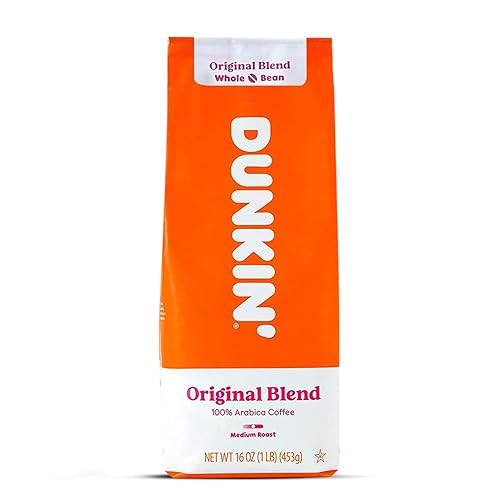
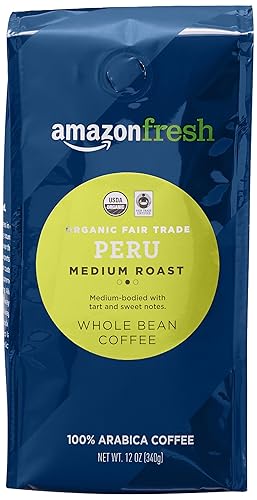
Arabica option: Choose a medium-roast 100 percent arabica bean with tasting notes of fruit or chocolate if you want a brighter cup.
FAQ
Is robusta or arabica better for Vietnamese coffee?
Robusta is the traditional choice and usually the better fit for classic cà phê sữa đá because its heavy body and chocolatey flavor hold up against sweetened condensed milk. Arabica suits drinkers who want brighter flavor and lower caffeine.
Why do Vietnamese coffee beans taste so strong?
Traditional Vietnamese roasts are often dark, sometimes with sugar or butter added during roasting. Robusta’s natural density and earthy flavor also contribute to a bold, concentrated cup.
Can I use arabica beans in a phin filter?
Yes. Arabica works well in a phin, especially if you want a cleaner, fruitier result. Use a medium roast and expect a lighter body than you would get from robusta.
Does robusta have more caffeine than arabica?
Generally, yes. Robusta typically contains more caffeine than arabica. If you are sensitive to caffeine or have a medical condition, speak with a doctor before choosing a high-caffeine coffee.
How should I grind robusta for a phin?
Use a medium-fine to medium grind, somewhat finer than a drip machine setting but coarser than espresso. Adjust based on how quickly the coffee drips: if it finishes in under three minutes, grind finer; if it takes over six, grind coarser.
Conclusion
For most people making traditional Vietnamese coffee, robusta beans are the right choice. They deliver the dark, chocolatey, full-bodied cup that pairs naturally with sweetened condensed milk and ice. Arabica is a strong option when you want brighter flavor, lower caffeine or a cleaner taste, particularly if you drink your coffee black or lightly sweetened. Start with a dark-roasted robusta if you are new to Vietnamese coffee, then try a medium-roast arabica to see how the flavor shifts. Whichever bean you pick, grind fresh, use water around 90 to 95 °C, and let the phin drip slowly for the best result.