By Audrey Hayes
Updated November 2026
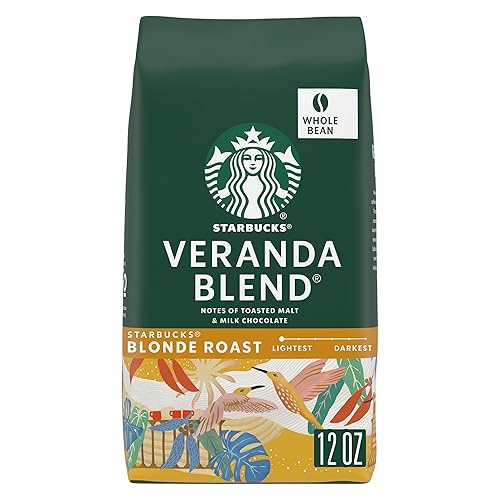
Blonde roast coffee beans are lightly roasted beans that keep much of their original origin character, so the cup tastes brighter, sweeter and more floral than a typical medium or dark roast. In this guide you will learn what sets blonde roasts apart, how to choose a bag that suits your palate, and how to dial in grind size, dose, water temperature and brew time so the beans actually taste the way they should. The steps work for pour-over, drip, French press and AeroPress.
What Makes Blonde Roast Coffee Beans Different
Blonde roast is the lightest roast level most cafés sell. Roasters usually stop the process shortly after the first crack, the audible popping as the bean’s structure expands and releases steam. At that point the beans are tan to light brown, with no oil on the surface and a dry, matte look. Because the roast is so light, the beans keep more of their acidity, more of their sugars and more of the aromatic compounds that come from the growing region and processing method.
The trade-off is body and roast-driven flavor. A blonde roast will not taste of caramelized sugar, dark chocolate or smoke in the way a darker roast does. Instead you should expect citrus, stone fruit, tea-like notes, honey and sometimes jasmine or cocoa nib, depending on the origin. Many people who move from dark roasts to blonde notice that their coffee tastes sharper at first and then more layered after a few days of adjustment.
Blonde vs. Light vs. Medium Roast Terms
Roast names are not regulated, so the same label can mean slightly different things from one roaster to the next. As a rough guide, “blonde” and “light” usually refer to the lightest end of the scale, while “medium” sits in the middle. Some roasters use “blonde” for a roast that is a touch darker than what others call light. When you buy, read the tasting notes and the roast date rather than relying on the name alone.
How to Choose Blonde Roast Coffee Beans
Choosing the right bag is more about origin and processing than about the word “blonde” on the label. Because the roast is so light, the beans display their terroir clearly, which is good news if you enjoy exploring coffees and bad news if the beans were low quality to begin with.
Check the Roast Date
Freshness matters more with light roasts than with dark ones. Dense, lightly roasted beans hold their aromatics longer when stored well, but they also take a few days after roasting to degas enough for balanced extraction. Most roasters recommend brewing between roughly 5 and 30 days after the roast date, though this varies by origin and brew method. A bag with a clearly printed roast date is more useful than one that only lists a best-by date.
Read the Origin and Process Notes
Washed (wet-processed) coffees from East Africa, Central America and parts of South America tend to show clean acidity and crisp fruit. Natural (dry-processed) coffees often display more sweetness and fruit intensity. Both can work well as blonde roasts. Look for specific tasting notes such as “peach, jasmine, brown sugar” rather than vague words like “smooth” or “rich,” which often describe darker profiles.
Consider Bean Density and Size
Higher-altitude beans are usually denser, which means they absorb heat more slowly during roasting and often produce a more complex cup. Lower-density beans can taste flatter when roasted very light. If a bag is labeled as a blonde roast from a high-grown origin, it is generally a good sign that the roaster chose the profile deliberately.
Step-by-Step: Brewing Blonde Roast Coffee Beans
Light roasts are less forgiving than dark ones. Hard, dense beans need more heat and contact time to extract fully, so a recipe that works for a dark roast can taste sour or thin when used with a blonde. Work through the steps below and adjust one variable at a time.
Step 1: Gather Your Tools
- A burr grinder (blade grinders produce uneven particles)
- A digital scale accurate to 0.1 g
- A kettle with temperature control, or a thermometer
- Your brewer of choice: pour-over cone, French press or AeroPress
- A timer
- Filtered water, ideally with a low mineral content
Step 2: Set Your Dose and Ratio
A common starting ratio for blonde roasts is 1:16, meaning 16 grams of water for every 1 gram of coffee. Many baristas go slightly stronger, around 1:15, to add body. Weigh your beans, not measure them by volume, because beans vary in density. For a single 350 g cup, start with about 22 g of coffee.
Step 3: Choose the Right Grind Size
Because blonde beans are dense, they need a finer grind than many people expect. Use these starting points and adjust based on taste:
| Brew method | Grind size | Typical brew time |
|---|---|---|
| Pour-over (V60 or similar) | Medium-fine, like fine sand | 2:45 to 3:30 |
| Drip machine | Medium, slightly finer than table salt | 4 to 6 minutes |
| French press | Coarse, like sea salt | 4 minutes |
| AeroPress | Fine to medium-fine | 1:30 to 2:00 steep |
Step 4: Dial in Water Temperature
This is where blonde roasts most often go wrong. Hot water pulls out the acidity and aromatics quickly, but very light roasts can taste sour if the water is too cool. Start at 96°C (205°F) for pour-over and AeroPress. If the cup tastes sharp or lemony, try 93°C (199°F). If it tastes thin or grassy, go slightly hotter. Let the kettle sit for 30 seconds after boiling before pouring, since water at a rolling boil is often too hot for light roasts.
Step 5: Bloom and Pour
For pour-over, wet the grounds with about twice their weight in water (roughly 40 g for 22 g of coffee) and wait 30 to 45 seconds. Blonde beans release a lot of CO2 when fresh, and the bloom lets it escape so water can extract evenly. Then pour the rest in slow, steady circles, finishing the brew at about 3 minutes.
Step 6: Taste and Adjust
Taste the cup as it cools a little. Sour, sharp, hollow flavors usually mean under-extraction: grind finer or raise the temperature. Bitter, drying flavors usually mean over-extraction: grind coarser or lower the temperature slightly. Change one variable at a time and write down what you did.
Common Mistakes to Avoid
- Using a dark-roast recipe. Blonde beans need finer grinds and often hotter water than people expect.
- Brewing beans that are too fresh. Beans brewed within a day or two of roasting can taste gassy and uneven. Let them rest.
- Using boiling water straight from the kettle. Let it cool briefly for most methods.
- Measuring by scoop. Weighing gives you consistent results from bag to bag.
- Storing beans in clear containers on the counter. Light, heat and air all degrade the cup.
- Judging the coffee too quickly. Flavors shift as the cup cools, so taste at a few temperatures before deciding.
Tips for Getting the Most from Blonde Roasts
- Buy whole beans and grind just before brewing.
- Keep beans in an airtight, opaque container away from heat and sunlight. For longer storage options, see Storage of Coffee Beans: 5 Best Canisters for Fresh Coffee (2026).
- Keep a simple brew log with dose, grind setting, water temperature and tasting notes.
- If you are still learning how origin affects flavor, Where Do Coffee Beans Come From? Regions, Species and Altitude is a useful companion read.
- Compare light roast options from different origins to see how the same roast level tastes across regions. A selection like 6 Best Light Roast Coffee Beans for Bright, Flavorful Cups can help you narrow things down.
- If you have been drinking dark roasts and want to understand the contrast, Why Are Dark Roast Coffee Beans Oily? Causes and Fixes explains how roast level changes the bean itself.
Recommended Gear
A consistent grind and accurate measurement matter more for blonde roasts than for most other styles, so these tools are worth prioritizing.
- Baratza Encore ESP: A burr grinder with fine adjustment steps, useful for dialing in the narrow grind window that light roasts require. View on Amazon
- Hario V60 ceramic dripper: A simple, forgiving pour-over cone that makes bloom and pour technique easy to repeat. View on Amazon
- Timemore Black Mirror digital scale: A compact scale with a built-in timer, so you can track dose, water and brew time in one place. View on Amazon
- Fellow Stagg EKG electric kettle: A variable-temperature kettle that makes it easy to hold water at 93°C or 96°C for consistent results. View on Amazon
FAQ
Are blonde roast coffee beans stronger in caffeine?
Not in any meaningful way that you would notice in the cup. Caffeine content per gram is roughly similar across roast levels, and lighter roasts can be slightly denser by weight, so a scoop by volume may contain a little more caffeine. The main difference is flavor, not caffeine. The “lighter roast has more caffeine” idea is a common myth.
Why does my blonde roast taste sour?
Sourness usually signals under-extraction. Try a finer grind, slightly hotter water or a longer brew time. If the cup tastes sour and thin at the same time, the coffee may be very fresh, so a few more days of rest can help.
How long do blonde roast coffee beans stay fresh?
Whole beans stored in an airtight, opaque container away from heat generally taste best within about four weeks of the roast date, with good flavor often lasting somewhat longer. Ground coffee loses its character much faster, usually within days. Freezing is an option for long-term storage if you portion the beans so you do not repeatedly expose them to air and moisture.
Can I brew blonde roast coffee beans in an espresso machine?
You can, but it is harder. Blonde roasts are dense and often need a very fine grind and higher brew temperature to extract well, which can make espresso taste sour or tea-like. Many people prefer them in filter methods. If you do try espresso, expect to spend more time adjusting grind and dose.
Do blonde roasts taste different from light roasts?
The terms overlap, and the difference depends on the roaster. In general, blonde is at the very light end of the scale and may be roasted slightly less than a typical light roast. Read the tasting notes and roast description rather than relying on the label.
Should I use a different water temperature for blonde roasts?
Often yes, and many people find that slightly hotter water, around 94 to 96°C (201 to 205°F), extracts sweetness better from dense beans. Some very fresh or high-altitude coffees taste better slightly cooler, around 92 to 93°C. Test in small steps.
Are blonde roasts better for people who dislike bitterness?
Many people who find dark roasts harsh do enjoy blonde roasts because they have less of the roast-driven bitterness and more fruit and sweetness. Keep in mind that they can taste sharper or more acidic, which some people find unpleasant at first.
What is the best grind setting for a blonde roast in a drip machine?
Start with a medium grind slightly finer than table salt. Brew a full pot, taste it, and adjust. If the coffee tastes sour or weak, go finer. If it tastes bitter or drying, go coarser. Many drip machines do not heat water to the ideal range for light roasts, so a pour-over often gives a more consistent result.
Conclusion
Blonde roast coffee beans reward careful brewing with bright acidity, natural sweetness and clear origin character. Start with fresh beans, weigh your dose, use a finer grind than you might expect and test water temperatures between 93 and 96°C. Keep notes as you adjust, and you will quickly find the settings that bring out the best in each bag.
Related reading
Ready to choose one?
About Audrey Hayes
Audrey Hayes is part of our editorial team and reviews and edits our coffee beans & brewing methods guides, checking product details against manufacturer specifications and owner feedback.