 By Miles Sinclair
Updated November 2026
A french coffee press bodum is one of the simplest brewers you can own, and it can produce a full-bodied, sweet, deeply flavored cup with almost no equipment. This guide walks you through the ratio, grind size, water temperature, steep time and plunge technique you need to get consistent results. By the end, you will know how to adjust each variable when your cup tastes weak, bitter or muddy.
What You Need Before You Brew
Before you start, gather the basics. A Bodum-style press with a stainless steel or glass carafe and a metal mesh filter is the standard setup, and most people brewing in one already have what they need on the counter.
Shopping for one? See our guide: Bodum Brazil French Press 8 Cup Review (2026).
- A digital kitchen scale that reads in grams
- A burr grinder set to a coarse setting
- Freshly roasted whole-bean coffee, ideally roasted within the last few weeks
- Filtered water, heated to just off the boil
- A timer or the clock on your phone
- A spoon or paddle for breaking the crust
Step-by-Step: Brewing Coffee with a Bodum French Press
Step 1: Choose Your Ratio
Most brewers start with a ratio between 1:12 and 1:15, meaning 12 to 15 grams of water for every gram of coffee. For a standard 34-ounce Bodum-style press, a comfortable starting point is 30 grams of coffee and 450 grams of water. That produces a strong but balanced cup. If you prefer something lighter, move toward 1:15. For a heavier body, try 1:12.
Step 2: Grind Coarse and Even
Grind size is the single biggest factor in press coffee quality. The grounds should look like coarse sea salt or thick breadcrumbs. Fine grounds pass through the metal mesh, leave sediment in the cup and make the brew taste bitter and chalky. Grind your beans right before brewing and use a burr grinder if you can, because blade grinders produce a mix of dust and chunks that extracts unevenly.
Step 3: Heat the Water
Target a water temperature between 195°F and 205°F (90°C to 96°C). Bring water to a boil, then let it sit for about 30 seconds before pouring. Water that is too hot can scorch the grounds and push out harsh bitterness. Water that is too cool under-extracts and tastes sour or thin.
Step 4: Bloom and Pour
Add the ground coffee to the empty carafe, then pour in a small amount of water, about twice the weight of the coffee, to wet the grounds. Wait 30 seconds while the coffee releases gas. Then pour the rest of the water evenly over the grounds. Filling the press in one smooth pour helps every particle extract at roughly the same rate.
Step 5: Stir and Place the Lid
Gently stir the slurry once or twice to make sure all the grounds are saturated. Some grounds will float; that is normal. Place the plunger lid on top, but do not press it down yet. Let it rest with the plunger fully raised so heat is retained.
Step 6: Steep for Four Minutes
Set your timer for four minutes. Four minutes is the most common recommendation for a standard press because it allows enough extraction for body and sweetness without pulling out excess bitterness. Adjust in small increments later, rather than changing several variables at once.
Step 7: Break the Crust
At around four minutes, a crust of floating grounds forms on top. Gently push it aside with a spoon and skim off any loose foam or debris. This step keeps the final cup cleaner.
Step 8: Plunge Slowly and Serve Immediately
Press the plunger down in a slow, steady motion over about 15 to 20 seconds. Stop when the mesh reaches the bottom of the carafe. Pour all of the coffee out of the carafe right away. Leaving brewed coffee sitting on the grounds keeps extracting and will make the cup taste harsher over time.
Adjusting Your Brew When the Cup Tastes Off
Once your process is consistent, you can tune the cup. Change only one variable at a time so you can see what caused the difference.
| Taste problem | Likely cause | Adjustment |
|---|---|---|
| Sour, thin, weak | Under-extraction | Grind finer slightly, or steep 30 seconds longer |
| Bitter, dry, harsh | Over-extraction | Grind coarser, shorten steep, or lower water temperature |
| Muddy, gritty | Grounds too fine or filter leaking | Coarsen the grind and check the mesh seal |
| Flat, one-note | Stale beans or low ratio | Use fresher coffee or increase coffee dose slightly |
If you want guidance on dose, the article French Press Coffee Ratio: 3 Best Picks for Perfect Brews covers how different ratios change strength. For the full process in a shorter format, How to Make French Press Coffee: 8 Steps to a Better Cup is a useful companion.
Choosing Beans and Grind for Your Press
Medium to medium-dark roasts tend to suit a french press because the immersion method brings out chocolate, caramel and nutty notes while keeping oils in the cup. Lighter roasts can work too, but they often need a slightly longer steep to develop sweetness. Buy whole beans, grind them yourself, and check the roast date rather than just the best-by date. For bean recommendations, see 5 Best Coffee Beans for French Press Compared and 5 Best French Roasted Coffee Beans for Bold Brewing (2026).
Understanding Why the Press Works
A french press is an immersion brewer. The grounds sit directly in hot water for the entire steep, so every particle is extracted together. The metal mesh lets oils and fine particles through, which is why the cup feels heavier than paper-filtered coffee. If you want a deeper look at the mechanics, How Does a French Press Work? Steep, Plunge and Flavor Explained explains the process in detail. For a broader comparison of methods, see Coffee Brewers Compared: Drip, Pour-Over, Press and More.
Common Mistakes to Avoid
- Grinding too fine. This is the most frequent cause of muddy, bitter coffee.
- Using boiling water straight off the kettle. Let it rest briefly to avoid scorching.
- Leaving the coffee in the press. Pour everything out once you plunge.
- Plunging too fast. A quick push can churn up fines and cloud the cup.
- Skipping the scale. Scoops vary widely in weight, which makes results inconsistent.
- Cleaning poorly. Old oils build up on the mesh and carafe and taint new brews. Rinse and wash after every use.
Tips for Better Results Every Time
- Keep a brew log with dose, grind setting, water temperature and steep time.
- Preheat the carafe with hot water before brewing to keep the temperature stable.
- Use filtered water, since mineral content affects flavor.
- Experiment with a 1:15 ratio if you find the standard cup too strong.
- Clean the mesh filter thoroughly, paying attention to the edges where grounds collect.
Recommended gear
Some supplies genuinely improve results with a press. A consistent grinder matters more than almost anything else, and a scale removes guesswork from your ratio.
- Burr grinder: Burrs produce a uniform coarse grind that avoids the fines blade grinders create. Search for a Baratza Encore ESP or similar. View on Amazon
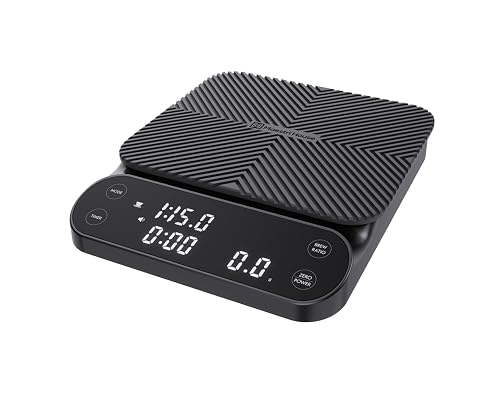
- Digital kitchen scale: A scale that reads in one-gram increments makes ratio work repeatable. View on Amazon
- Gooseneck or variable-temperature kettle: Precise temperature control helps you hit the 195°F to 205°F range. View on Amazon
FAQ
What is the best coffee ratio for a french coffee press bodum?
A ratio of about 1:15 (30 grams of coffee to 450 grams of water) is a balanced starting point. Move toward 1:12 for a stronger cup or 1:17 for a lighter one.
How coarse should I grind the coffee?
Aim for a coarse grind similar to sea salt or breadcrumbs. Finer grounds can slip through the mesh and make the cup gritty and bitter.
How long should I steep coffee in a Bodum french press?
Four minutes is the most common recommendation. Adjust by 30 seconds at a time based on whether the cup tastes weak or bitter.
Can I use pre-ground coffee in a french press?
You can, but pre-ground coffee is often ground too fine for a press and may already be stale. Buying whole beans and grinding coarsely at home gives more consistent results.
Why is my press coffee bitter?
Bitterness usually comes from over-extraction, caused by grinding too fine, steeping too long or using water that is too hot. Try a coarser grind or a shorter steep first.
Why is there sediment at the bottom of my cup?
Sediment usually means the grind is too fine or the plunge was too fast. A slower plunge and a coarser grind usually fix it.
How do I clean a french press properly?
Dump the grounds, rinse the carafe and mesh with warm water, and wash with mild soap after each use. Disassemble the plunger and clean the edges of the mesh, where oils and fines accumulate.
Should I store coffee in the french press?
No. Once brewed, pour the coffee into a separate vessel. Leaving it in the carafe lets it continue extracting and can make it taste harsh.
Conclusion
A french coffee press bodum rewards consistency. Measure your coffee and water, grind coarse and fresh, keep the water just off the boil and steep for about four minutes. Change one variable at a time when the cup needs adjusting, and you will quickly find the balance you like best.
Ready to choose one?
About Miles Sinclair
Miles Sinclair is part of our editorial team and reviews and edits our coffee beans & brewing methods guides, checking product details against manufacturer specifications and owner feedback.