By Miles Sinclair
Updated November 2026
A French press coffee to water ratio calculator is simply a way to turn the amount of coffee you want into the right amount of water, so every batch tastes consistent. Most brewers start between 1:12 and 1:15 by weight, which means 1 gram of coffee for every 12 to 15 grams of water. This guide shows you how to run the math, adjust for taste, and avoid the errors that make press coffee taste flat or muddy.
How the Ratio Calculator Works
Ratios are easiest to work with in grams. Volume measurements, like scoops or tablespoons, vary with grind size and how tightly the coffee is packed, so they produce inconsistent results. To use a calculator, pick a ratio, enter the amount of coffee, and multiply. For example, 30 grams of coffee at a 1:15 ratio requires 450 grams of water. At 1:12, the same coffee needs 360 grams.
Shopping for one? See our guide: 7 Best Coffee to Water Ratio French Press: Picks Compared (2026).
Lower ratios (around 1:12) produce a heavier, more intense cup. Higher ratios (around 1:16 or 1:17) give a lighter, more tea-like result. Start in the middle at 1:15 and adjust from there.
Step-by-Step: Calculating Your Brew
- Choose your cup count. A standard 34-ounce press holds roughly 1,000 grams of water, so decide how much you want to brew.
- Pick a ratio. Use 1:15 as your baseline.
- Divide the total water by the ratio number. For 900 grams of water at 1:15, you need 60 grams of coffee.
- Weigh the coffee and water separately on a kitchen scale set to grams.
- Note the result and the taste. Change only one variable at a time when you adjust.
Factors That Change the Result
The ratio sets the starting point, but three other variables affect the final cup. Grind size matters most. A coarse grind suits a press because the long steep time can over-extract fine particles, which causes bitterness. For guidance, see Proper Grind for French Press Coffee: A Step-by-Step Guide.
Water temperature also shapes flavor. Many brewers aim for water just off the boil, and Coffee Water Temperature French Press: Brew Better at 200°F explains the reasoning. Steep time is the third factor. Four minutes is a common starting point, and you can shorten or lengthen it slightly to change strength.
Quick Reference Table
| Target Style | Ratio (by weight) | Example: 900 g water |
|---|---|---|
| Strong, bold | 1:12 | 75 g coffee |
| Balanced | 1:15 | 60 g coffee |
| Light, bright | 1:17 | 53 g coffee |
Recommended gear
A digital kitchen scale that reads in single grams makes the calculator method work. Look for one with a tare function so you can zero out the carafe and add water directly. View on Amazon
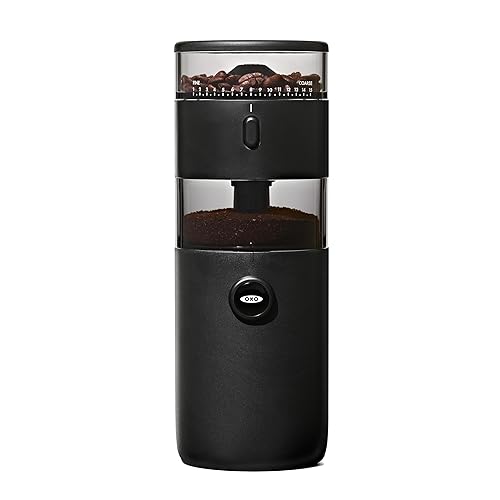
A burr grinder gives the even, coarse particles a press needs. Blade grinders produce uneven sizes that lead to muddy cups. View on Amazon
Common Mistakes
- Measuring coffee by volume instead of weight, which makes each batch different.
- Using a fine grind, which over-extracts and turns bitter during a long steep.
- Pouring boiling water straight from the kettle, which can scorch the grounds.
- Skipping the stir after adding water, leaving dry grounds floating on top.
- Pressing too hard or too fast, which pushes fines through the filter.
FAQ
What is the best ratio for French press coffee?
Most people find 1:15 by weight a reliable starting point. Move toward 1:12 for a stronger cup or 1:17 for a lighter one.
Can I use tablespoons instead of a scale?
You can, but results will vary because coffee density changes with grind size and roast. A scale gives far more repeatable results.
How long should I steep French press coffee?
Four minutes is a common starting point. Adjust by about 30 seconds if the cup tastes too weak or too harsh.
Conclusion
A French press coffee to water ratio calculator takes the guesswork out of brewing. Weigh your coffee, multiply by your chosen ratio, and adjust one variable at a time. Once you find the ratio that suits your taste, you can repeat it batch after batch.
Related reading
- French Press Coffee Ratio: 3 Best Picks for Perfect Brews
- Moccamaster Coffee to-Water Ratio: A Step-by-Step Guide for Better Brews
- How to Brew Better Coffee at Home: Ratio, Water, Taste
Ready to choose one?
About Miles Sinclair
Miles Sinclair is part of our editorial team and reviews and edits our coffee beans & brewing methods guides, checking product details against manufacturer specifications and owner feedback.