By Spencer Wallace
Light roast coffee vs dark roast coffee is one of the most common debates among home brewers, and the honest answer is that neither wins across the board. Light roasts usually suit readers who want bright, fruity, tea-like cups that show off a bean’s origin, while dark roasts suit people who prefer heavy body, chocolate and smoky notes, and low acidity. This comparison walks through flavor, acidity, caffeine, body, brewing, freshness and cost of ownership, then ends with a practical guide to choosing.
Light Roast vs Dark Roast at a Glance
The table below summarizes the main differences. Each cell describes the typical profile of that roast level; individual beans and roasters vary, so treat these as general tendencies rather than guarantees.
| Criterion | Light Roast | Dark Roast |
|---|---|---|
| Roast color and surface | Light brown, dry surface, no visible oil | Dark brown to nearly black, oily surface |
| Typical flavors | Floral, citrus, berry, stone fruit, honey | Dark chocolate, caramel, toast, smoke, roasted nuts |
| Acidity | Higher, bright and crisp | Lower, mellow and rounded |
| Body | Lighter, tea-like to medium | Heavier, syrupy, full |
| Origin character | Usually more visible | Often masked by roast flavors |
| Caffeine by weight | Slightly higher per gram | Slightly lower per gram |
| Bean density and weight loss | Denser beans, less weight lost in roasting | Less dense, more weight lost |
| Brewing forgiveness | Less forgiving; needs careful temperature and grind | More forgiving; hides small mistakes |
| Freshness window | Longer peak flavor period in many cases | Oils can turn stale sooner after roasting |
| Best brew methods | Pour-over, Chemex, AeroPress, filter | French press, espresso, moka pot, cold brew |
Flavor: Which Roast Tastes Better?
Winner for origin-driven flavor: light roast. Winner for familiar, comforting flavor: dark roast.
Light roasting stops the process early enough that the bean’s natural sugars and organic acids remain largely intact. That is why light roasts often taste of blueberry, jasmine, lemon or peach. Dark roasting continues long enough to caramelize sugars and break down acids, creating notes of cocoa, toasted bread, burnt sugar and sometimes smoke. Many readers who think they dislike coffee actually dislike a particular over-roasted cup, and find that a well-made light roast changes their mind.
If you are exploring what a light roast can taste like, our guide to 7 Best Light Roast Coffee Beans for Bright, Fruity Cups is a good starting point. For a bolder profile, see 10 Best Coffee Beans Dark Roasts for Bold Brewing (2026).
Acidity: Which Roast Is Brighter?
Winner for brightness and sparkle: light roast. Winner for smooth, low-bite cups: dark roast.
Acidity in coffee is a desirable quality when it is clean and fruity, and a flaw when it tastes sour or sharp. Light roasts keep more of their organic acids, which many drinkers perceive as lively and juicy. Dark roasts break those acids down, so the cup tastes smoother and less tangy. People with sensitive stomachs sometimes report that dark roasts feel gentler, though individual reactions vary and anyone with a digestive condition should consult a doctor before changing their coffee habits.
Body and Mouthfeel: Which Roast Feels Heavier?
Winner for a heavy, syrupy texture: dark roast. Winner for a clean, tea-like mouthfeel: light roast.
Dark roasting drives oils to the surface of the bean and develops compounds that give the cup a thicker, rounder feel. This is why dark roasts are the traditional choice for espresso and French press, where the brewing method already emphasizes body. Light roasts produce a thinner, more delicate cup that many drinkers find refreshing, especially in warm weather or in an afternoon pour-over.
Caffeine Content: Which Roast Has More Caffeine?
Winner for caffeine by weight: light roast. Winner for caffeine by volume in a typical scoop: close to a tie, with light roasts slightly ahead.
Roasting burns off a small amount of caffeine, and dark roasts lose more mass overall, so a gram of dark roast generally contains slightly less caffeine than a gram of light roast. However, dark beans are less dense, so a scoop of dark roast weighs less than a scoop of light roast. Because of this, the caffeine per cup difference is small, and brewing ratio and cup size matter far more. Readers who need to limit caffeine should measure by brew weight and consult a health professional if they have concerns.
Brewing Ease: Which Roast Is Easier to Get Right?
Winner for forgiving brewing: dark roast. Winner for a rewarding, precise brew: light roast.
Dark roasts are more soluble and roast-forward, so they still taste good when the grind is a little off or the water is slightly cool. Light roasts are dense and need more energy to extract well. Water temperature around 93°C (200°F) and a grind closer to medium-fine for pour-over usually work well for light beans. Manufacturers of many light-roast beans recommend a slightly finer grind and hotter water than they use for darker beans, though the exact numbers depend on the coffee and equipment.
For grinder choices that give you consistent particle size, read Electric Coffee Grinders: Burr vs Blade and Settings and Manual Coffee Grinders: What to Know Before Buying. Water quality also matters, so see Water for Coffee: Quality, Filtering and Temperature.
Freshness and Storage: Which Roast Keeps Longer?
Winner for a longer flavor window: light roast. Winner for a shorter but more intense freshness peak: dark roast needs quicker use.
Dark roasts bring oils to the surface, and those oils can oxidize and taste rancid faster than the more stable compounds in a light roast. Light roasts are also denser and often hold their character for longer after roasting. In either case, store beans in an airtight, opaque container away from heat, light and moisture, and avoid the refrigerator for everyday use. Our guide to How to Store Coffee Beans So They Stay Fresh covers the details.
Cost of Ownership: Which Roast Makes Better Use of Beans?
Winner for getting more cups per bag: light roast, because the beans are denser and weigh more per scoop. Winner for stretching a bag in strong brews: dark roast, since its bold flavor carries well in milk drinks.
Because light roasts are denser, a bag of light beans generally yields more brewed cups by weight than the same weight of dark beans, which lose more mass during roasting. Dark roasts, however, are often used for milk drinks where a small amount of coffee makes a noticeable cup. Exact yields depend on your recipe, so measure your dose in grams and track how many cups you actually get.
Roast Level and Espresso
Winner for classic espresso: dark or medium-dark roast. Winner for filter-style espresso and experimental shots: light roast.
Traditional espresso blends lean toward darker roasts because they produce chocolatey, low-acid shots that pair well with milk. Light roast espresso is possible and can be stunning, but it demands precise dosing, a fine grind and careful temperature control. If you are weighing options, compare Coffee Beans vs Espresso Beans (2026): Which Is Better for Your Brew? and 10 Best Dark Roast Espresso Coffee Beans of 2026.
Which Should You Choose?
Choose light roast if you:
- Enjoy fruity, floral or tea-like flavors and want to taste the bean’s origin.
- Prefer a bright, lively acidity in your cup.
- Brew with pour-over, Chemex, AeroPress or a clean filter method.
- Are willing to dial in your grind and water temperature for a more nuanced result.
Choose dark roast if you:
- Like chocolate, caramel, toast or smoky flavors.
- Want a heavy, full body and low acidity.
- Brew with French press, moka pot, espresso or cold brew.
- Drink milk-based drinks such as lattes and cappuccinos.
For a middle path, a medium roast often balances both worlds. See 8 Best Medium Roast Coffee Beans for Everyday Brewing and Coffee Roast Levels Explained: Light, Medium and Dark.
Recommended Products for Each Roast
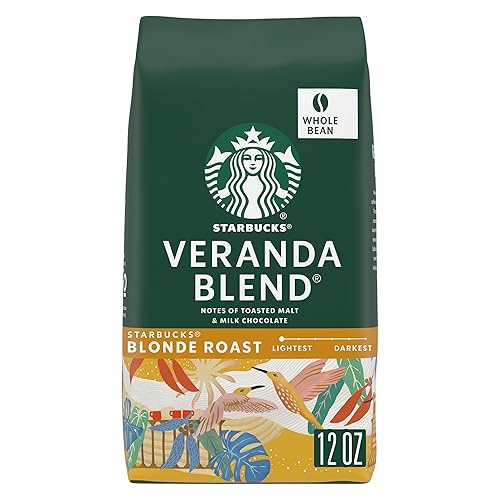
If you want to try a light roast, look for a bag labeled with the roast date and a single origin. Brew it as a pour-over first to hear the flavors clearly. Here is a light-roast option to consider:
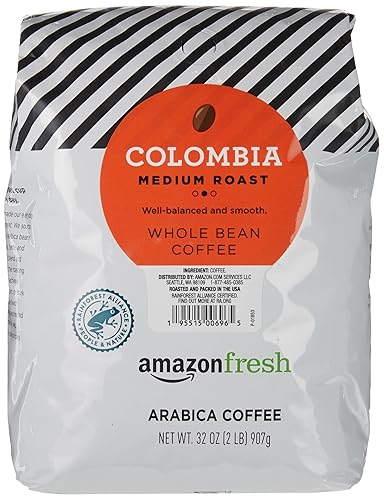
If you prefer dark roast, try a bean built for French press or espresso. Here is a dark-roast option:
Whichever you choose, buy whole beans and grind just before brewing for the best results.
FAQ
Does light roast coffee have more caffeine than dark roast?
Per gram, light roast usually contains slightly more caffeine because roasting burns off a small amount. Per cup, the difference is small and depends mostly on how much coffee you use and how you brew it.
Is light roast or dark roast healthier?
Both are generally considered acceptable in moderate amounts, and each contains different compounds. Light roasts retain more chlorogenic acids, while dark roasts form other compounds during roasting. Anyone with a medical condition or medication concern should consult a doctor or registered dietitian.
Why does dark roast taste bitter?
Long roasting breaks down sugars and produces bitter-tasting compounds, and over-extraction can intensify that bitterness. Using a coarser grind, slightly cooler water or a shorter brew time can reduce it.
Can I use light roast beans for espresso?
Yes, but light roasts are dense and need a fine grind, higher temperature and careful dosing to extract well. Many baristas recommend starting with a slightly longer shot time and adjusting from there.
Which roast is better for beginners?
Dark roast is usually more forgiving for beginners because it tastes good across a wider range of brewing mistakes. Once you are comfortable, a light roast is a rewarding next step that teaches you more about grind size and water temperature.
Conclusion
Light roast coffee vs dark roast coffee comes down to taste and technique. Light roasts reward careful brewing with bright, fruity cups that reveal origin, while dark roasts deliver reliable, chocolatey, full-bodied flavor that works in milk drinks and forgiving brew methods. Try both side by side, keep brewing notes, and let your palate decide which roast becomes your everyday favorite.

About Spencer Wallace
Spencer researches and writes buying guides and how-to articles on coffee beans & brewing methods. Picks are based on product specifications, brand reputation and patterns in owner feedback, and are updated as new models come out.