 By Audrey Hayes
Updated November 2026
If you have a bag of what to do with old coffee beans on your mind, you are probably asking one of two things: can these beans still be used, and if so, how? Stale beans lose aroma and brightness, but they rarely become unsafe, and many of them can still serve a purpose in the kitchen, the garden or around the house. This guide looks at the most useful options for beans past their prime and explains how to judge whether a bag is worth brewing, repurposing or composting. The selection criteria were simple: practicality for home users, clear instructions, and a sensible match between each product and the situation it solves.
Our top picks at a glance
- 1
 TOP CHOICEBest overallComplete Book of Coffee: The Definitive Guide to Coffee, From Simple BView on Amazon
- 2
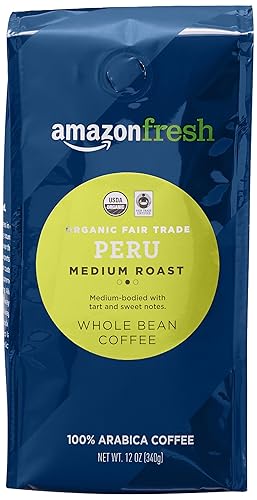 TOP CHOICEBest for brewing anywayAmazon Fresh, Organic Fair Trade Peru Whole Bean Coffee, Medium Roast, 12 OzView on Amazon
- 3
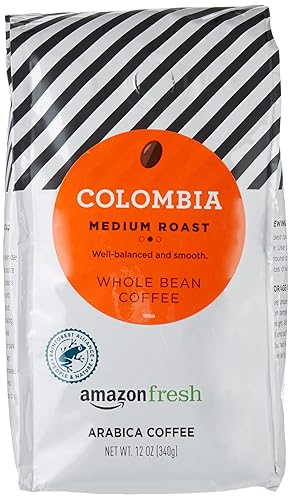 TOP CHOICEBest for cold brew useAmazon Fresh Colombia Whole Bean Coffee, Medium Roast, 12 OunceView on Amazon
- 4
 Best for flavored experimentsCameron's Coffee Roasted Whole Bean Coffee, Flavored, Toasted Southern Pecan, 32 OunceView on Amazon
- 5
 Best for a dark, bold profileStarbucks Whole Bean Coffee, Dark Roast Coffee, Espresso Roast, 100% AView on Amazon
- 6
 Best for a clean-tasting medium roastStumptown Coffee Roasters, Organic Whole Bean Medium Roast, Holler Mountain 12 OzView on Amazon
- 7
 Best budget pickBulletproof Original Medium Roast Whole Bean Coffee, 12 Ounces, CleanView on Amazon
Our Top Picks
The products below are a mix of reference books and whole bean coffees. The books help you understand why beans go stale and how to use them creatively. The coffees are useful for seeing what fresh, well-roasted beans should taste like, which makes it easier to spot when your own stock has faded. Read each entry with the selection criteria in mind: how well it helps with the problem of aging beans, how clearly the product is described, and how well it fits a specific kitchen habit.
Quick Comparison
| Product | Best for | Key feature |
|---|---|---|
| Complete Book of Coffee | Learning why beans go stale | Covers bean handling and 70 recipes |
| Amazon Fresh Organic Fair Trade Peru, 12 Oz | Brewing beans with mild staleness | Medium roast, whole bean |
| Amazon Fresh Colombia, 12 Oz | Cold brew and iced coffee | Medium roast, whole bean |
| Stumptown Holler Mountain, 12 Oz | Benchmark for fresh flavor | Organic medium roast |
| Starbucks Espresso Roast, 18 Oz | Dark, bold brewing | 100% Arabica dark roast |
| Cameron’s Toasted Southern Pecan, 32 Oz | Flavored experiments | Flavored whole bean |
| Bulletproof Original Medium Roast, 12 Oz | Budget-conscious brewing | Medium roast, whole bean |
Complete Book of Coffee: The Definitive Guide to Coffee, From Simple Bean to Irresistible Beverage, with 70 Coffee Recipes
Complete Book of Coffee: The Definitive Guide to Coffee, From Simple Bean to Irresistible Beverage, with 70 Coffee Recipes
Best for: Learning why beans go stale and what to do about it
This book suits readers who want to understand coffee from the bean up. It is most useful if you have a shelf of aging beans and want a framework for deciding what to brew, what to flavor and what to discard.
Key specs
- Format: book covering bean, roasting and brewing
- Includes 70 coffee recipes
Pros
- Explains how oxygen, heat and moisture degrade flavor
- Recipes give practical reasons to use older beans
- Useful reference for beginners and experienced brewers
Cons
- Recipes assume some basic equipment
- Not a substitute for hands-on brewing practice
Bottom line: A good choice for anyone who wants to learn the science behind stale coffee before deciding how to use it.
Amazon Fresh, Organic Fair Trade Peru Whole Bean Coffee, Medium Roast, 12 Oz
Amazon Fresh, Organic Fair Trade Peru Whole Bean Coffee, Medium Roast, 12 Oz
Best for: Brewing beans that have lost some freshness
This medium roast is a sensible reference point for home brewers who want to compare their aging stock against a bag labeled organic and Fair Trade. It works well as a baseline: if your old beans taste flat next to this, the staleness is probably real.
Key specs
- Whole bean
- Medium roast
- 12 oz bag
- Organic and Fair Trade labeled
Pros
- Medium roast is forgiving across brew methods
- Whole bean format keeps flavor longer than pre-ground
- Clear labeling on origin and certification
Cons
- Flavor profile is fairly mild for those who like bold coffee
- Smaller bag size means more frequent repurchasing
Bottom line: Best for home brewers who want a dependable baseline to judge their older beans against.
Amazon Fresh Colombia Whole Bean Coffee, Medium Roast, 12 Ounce
Amazon Fresh Colombia Whole Bean Coffee, Medium Roast, 12 Ounce
Best for: Cold brew and iced coffee made from older beans
Cold brew is forgiving of stale beans because the long steep extracts flavor slowly and masks some of the flatness. This Colombia medium roast is a practical choice for that method.
Key specs
- Whole bean
- Medium roast
- 12 oz bag
Pros
- Balanced profile suits cold steeping
- Whole bean format is easy to coarse-grind at home
- Works for both hot and iced brewing
Cons
- Less complex than single-origin specialty coffees
- Limited detail on processing in the listing name
Bottom line: A useful pick for anyone turning stale beans into cold brew.
Stumptown Coffee Roasters, Organic Whole Bean Medium Roast, Holler Mountain 12 Oz
Stumptown Coffee Roasters, Organic Whole Bean Medium Roast, Holler Mountain 12 Oz
Best for: A benchmark for what fresh flavor should taste like
Stumptown is a well-established specialty roaster, and this organic medium roast gives you a useful comparison point. Brewing it alongside your older beans makes staleness easier to notice.
Key specs
- Whole bean
- Organic
- Medium roast
- 12 oz bag
Pros
- Brand has a strong specialty reputation
- Organic certification stated on the product
- Good for side-by-side tasting with aging beans
Cons
- Costs more than mainstream grocery brands
- Bag size is modest for heavy drinkers
Bottom line: Ideal for anyone who wants a fresh reference coffee to judge their stock against.
Starbucks Whole Bean Coffee, Dark Roast Coffee, Espresso Roast, 100% Arabica, 1 bag (18 oz)
Starbucks Whole Bean Coffee, Dark Roast Coffee, Espresso Roast, 100% Arabica, 1 bag (18 oz)
Best for: Dark, bold brewing that masks mild staleness
Dark roasts carry strong roasty and bittersweet notes, which can hide some of the flatness that builds up in older beans. This espresso roast suits drinkers who prefer a heavier cup.
Key specs
- Whole bean
- 100% Arabica
- Espresso roast
- 18 oz bag
Pros
- Bold profile is easy to recognize
- Larger bag than most options here
- Widely available and consistent across batches
Cons
- Dark roast flavor overwhelms delicate origin notes
- Oils can appear on beans, which speeds staleness once opened
Bottom line: A solid choice for dark-roast fans who want a strong, forgiving cup.
Cameron’s Coffee Roasted Whole Bean Coffee, Flavored, Toasted Southern Pecan, 32 Ounce
Cameron's Coffee Roasted Whole Bean Coffee, Flavored, Toasted Southern Pecan, 32 Ounce
Best for: Flavored experiments that can revive tired beans
Flavored coffees carry added aroma that can freshen a cup made from beans that have lost some of their own. This larger bag suits people who like flavored brewing and want to experiment.
Key specs
- Whole bean
- Flavored
- 32 oz bag
Pros
- Large bag reduces repurchase frequency
- Flavor can mask staleness in everyday cups
- Good for trying flavored brewing at home
Cons
- Flavoring can dominate the bean’s natural character
- Not suited to drinkers who prefer unflavored coffee
Bottom line: A fun option for flavor-forward drinkers with a need to use up older stock.
Bulletproof Original Medium Roast Whole Bean Coffee, 12 Ounces, Clean Coffee Tested for Toxins
Bulletproof Original Medium Roast Whole Bean Coffee, 12 Ounces, Clean Coffee Tested for Toxins
Best for: A budget-friendly medium roast for everyday brewing
This medium roast is positioned as a clean, toxin-screened option, and its 12 oz whole bean format makes it an approachable way to test how older beans compare with a fresh purchase.
Key specs
- Whole bean
- Medium roast
- 12 oz bag
- Marketed as tested for toxins
Pros
- Approachable medium roast for everyday use
- Whole bean keeps flavor better than pre-ground
- Clear positioning on cleanliness claims
Cons
- Brand’s toxin claims are marketing language, not independently verified here
- Flavor is mild for those who prefer intense roasts
Bottom line: Suits everyday drinkers who want a straightforward medium roast to compare against older beans.
Buying Guide
Knowing what to do with old coffee beans starts with knowing what changed. Use the factors below to decide whether a bag should be brewed, repurposed or replaced.
Check the roast date and storage history
Roasted coffee is at its best within a few weeks of roasting, and it declines steadily after that. Beans stored in a clear jar on a sunny counter age faster than beans kept sealed in a cool, dark cupboard. When you assess an old bag, consider both the roast date and how it has been stored since opening.
Good picks for this: Complete Book of Coffee, Stumptown Coffee Roasters, Holler Mountain
Look for signs of oxidation
Fresh beans smell sweet, fruity or nutty. Oxidized beans smell flat, woody or like cardboard, and they may taste dull or slightly sour. Oils on the surface of dark beans can also turn rancid over time. Rancid oil smells sharp or paint-like and should not be brewed.
Good picks for this: Starbucks Espresso Roast, Bulletproof Original Medium Roast
Match the bag size to your consumption
Buying in a size you can finish within a few weeks keeps beans fresher. Larger bags are economical only if you can store the remainder airtight and away from heat and light. Most home drinkers do better with smaller, more frequent purchases.
Good picks for this: Cameron’s Toasted Southern Pecan, Amazon Fresh Colombia
Choose the use case before the bean
Cold brew hides staleness better than espresso, which is unforgiving of flat beans. Drip and French press fall somewhere in between. If your beans are on the older side, shift them toward cold brew, iced coffee or flavored cups rather than straight espresso.
Good picks for this: Amazon Fresh Colombia, Cameron’s Toasted Southern Pecan
Consider whole bean over pre-ground
Ground coffee has far more surface area exposed to air, so it stales much faster than whole beans. If you are working with older stock, grinding just before brewing recovers more aroma. Whole bean purchases give you more control over freshness.
Good picks for this: Amazon Fresh Organic Fair Trade Peru, Bulletproof Original Medium Roast
Know when to compost or discard
Stale beans that smell rancid, moldy or sour should be thrown out, not brewed. Beans that are simply flat can be used in the garden or as a deodorizer, since they remain safe, though they lose much of their flavor. Check for mold before any use, and discard beans that show it. If you have questions about health risks from moldy food, a food safety authority or medical professional can advise you.
Good picks for this: Complete Book of Coffee, Bulletproof Original Medium Roast
FAQ
Are old coffee beans safe to use?
In most cases, yes. Beans that have simply gone stale are safe to brew or reuse, though they taste weaker. Discard beans that smell rancid, show visible mold or have an off, sour odor.
Can you brew old coffee beans?
You can, but expect a flatter cup. Use a slightly finer grind or a longer steep to pull out remaining flavor, and consider cold brew or flavored preparations to mask some of the staleness.
Can old coffee beans be used in the garden?
Used grounds are commonly added to compost, and stale beans can be treated similarly. Mix them into compost in moderation rather than piling them on soil directly. Check local composting guidance for best practice.
How do I tell if coffee beans have gone bad?
Smell is the best guide. Fresh beans have a sweet, rich aroma. Stale beans smell flat, and rancid beans smell sharp or like paint. Visible mold, a damp appearance or an unpleasant sour smell means the beans should be discarded.
Should I freeze old coffee beans to keep them fresh?
Freezing can slow staleness for beans you will not use soon. Store them in an airtight container, portioned so you do not repeatedly open and warm the same batch. Once thawed, use them quickly and avoid refreezing.
Do dark roast beans go stale faster than light roast?
Dark roasts have more surface oil, which can turn rancid over time, and they often feel stale sooner in flavor terms. Light roasts retain more volatile aromatics but can taste sour when old. Both benefit from airtight, cool storage.
Is it worth buying coffee beans for cold brew from older stock?
Often it is a reasonable use for beans that are past their peak. Cold brew’s long, cool extraction smooths out flatness, making it a practical outlet for older beans.
Conclusion
Old coffee beans are usually still safe, and with the right approach they can still be useful. Brew them in forgiving methods like cold brew or flavored cups, reuse them in the garden if they have lost their appeal, and discard any that smell rancid or show mold. For learning the underlying science, the Complete Book of Coffee is the best place to start. For a fresh reference to measure your stock against, Stumptown Holler Mountain is a strong benchmark. For cold brew, the Amazon Fresh Colombia medium roast suits the method well. Dark-roast fans will find the Starbucks Espresso Roast forgiving, while the Bulletproof medium roast offers a straightforward everyday option. Choose based on your brewing method and how quickly you can finish a bag.
Sources
- Food safety guidance on recognizing spoiled food and when to discard it (fda.gov)
- Storage and handling recommendations for dry and packaged food products (usda.gov)
- Research-based composting guidance from land-grant university extension programs (extension.org)
Related reading
- What Is the Best Coffee Beans for Espresso? 6 Top Picks (2026)
- What Is Organic Coffee Green Beans? Benefits, Buying Tips and Steps
- What Is Kopi Luwak Civet Coffee Beans? Origin, Process and Ethics
- What Are the Most Expensive Coffee Beans in the World? Top Picks
- What Are Wild Bean Coffee Beans? Origins, Flavor and Buying Tips
About Audrey Hayes
Audrey Hayes is part of our editorial team and reviews and edits our coffee beans & brewing methods guides, checking product details against manufacturer specifications and owner feedback.