By Miles Sinclair
Updated November 2026
French press vs brewed coffee is a question that comes up often, and the honest answer is that each method produces a different cup. A French press steeps coarse grounds directly in water and filters them with a metal plunger, giving you a full-bodied, oily, textured coffee. Drip-style brewed coffee passes water through paper filters, producing a cleaner, brighter cup. This guide explains the differences so you can choose the method that suits your taste.
How the Two Methods Work
The main difference is contact and filtration. In a french press, grounds sit in hot water for the full steeping period, so oils and fine particles stay in the cup. Brewed coffee, usually made in an automatic drip machine or by pour-over, moves water through the grounds quickly and traps most oils and fines in a paper filter. That single variable explains most of the taste difference.
Shopping for one? See our guide: French Press Coffee Ratio: 3 Best Picks for Perfect Brews.
Grind size follows from this. A french press needs a coarse grind, roughly the texture of sea salt, because a fine grind would slip past the mesh and make the cup muddy. Drip brewers usually work best with a medium grind. If you want the full breakdown of grind settings, see Proper Grind for French Press Coffee: A Step-by-Step Guide.
Flavor and Body: What You Will Taste
French press coffee has heavier body and a richer mouthfeel. Many people describe it as thicker or silkier than filtered coffee. Because the oils stay in the cup, the flavor can seem deeper and more chocolatey, though the cup can also taste heavier or more bitter if you over-steep it.
Brewed coffee tends to be cleaner and more transparent. Fruit and floral notes in lighter roasts usually stand out more clearly. If you enjoy a crisp, tea-like cup, filtered brewing is the better match. If you want more background, see French Press vs Drip Coffee Maker (2026): Which Is Better for Everyday Coffee?.
Why Brew Time Matters
Both methods reward careful timing. A standard french press steep runs about four minutes, and French Press Coffee Steep Time: 4 Minutes for a Balanced Cup covers why that window matters. Drip brewing finishes in several minutes but depends heavily on machine design and water flow.
Step-by-Step: Brewing Each Method at Home
For a basic french press, use about 1:15 coffee to water by weight. Add coarse grounds, pour in water just off the boil, stir gently, and steep for four minutes. Press slowly, then pour everything out so the coffee does not keep extracting.
- Weigh coffee and water (roughly 1:15 ratio).
- Grind coarse and add grounds to the carafe.
- Pour in water heated to about 200°F (93°C).
- Stir once, place the lid with the plunger up, and steep four minutes.
- Press down slowly, then decant the coffee.
For drip or pour-over, a common starting ratio is 1:16 with a medium grind, and the brew should finish in about four to five minutes. For a simple ratio guide, see French Press Coffee to Water Ratio Calculator: Get the Right Brew in 4 Steps.
Choosing the Right Method for You
Pick the french press if you want a bold, full-bodied cup, you do not mind a little sediment, and you like a slower ritual. Choose brewed coffee if you value a clean finish, want to brew several cups quickly, or prefer bright, delicate flavors. Both methods can produce excellent coffee, and many home brewers keep one of each.
If you are weighing other brewers as well, French Press or Drip: Which Brewer Makes Better Coffee? (Guide) offers a useful side-by-side comparison.
Common Mistakes
- Using a fine grind in a french press, which causes over-extraction and sediment.
- Water that is boiling straight off the kettle, which can scorch grounds. Let it rest briefly first.
- Leaving french press coffee sitting in the carafe, which keeps it bitter.
- Skipping a scale, which makes ratios hard to repeat.
- Forgetting to clean the filter, which leaves stale oils that dull flavor.
Recommended gear
A simple kitchen scale helps you hit the same ratio every time, which matters for both methods. A burr grinder gives consistent coarse or medium grounds, something blade grinders cannot reliably deliver. A glass or stainless french press with a fine mesh filter is a practical starting point for the full-bodied style.
- Digital kitchen scale: repeatable ratios make it easier to tell what changed between brews. View on Amazon
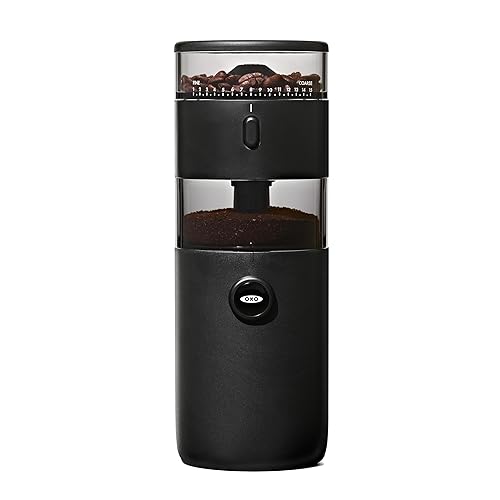
- Burr coffee grinder: even particles let you dial in coarse grinds for french press or medium for drip. View on Amazon
- Stainless steel french press: a sturdy filter and good seal suit the coarse-grind method. View on Amazon
FAQ
Is french press coffee stronger than brewed coffee?
It is usually heavier in body, but strength depends mostly on your coffee-to-water ratio. You can make either method as strong or as mild as you like by adjusting the amount of coffee.
Does french press coffee have more caffeine?
Not necessarily. Caffeine depends on the dose of coffee and brew time more than the method. Because the french press keeps more solids in the cup, the drink may feel more intense.
Can I use drip-grind coffee in a french press?
You can, but a medium grind may pass through the filter and cause sediment. A coarse grind gives a cleaner result in a french press.
Conclusion
French press vs brewed coffee comes down to what you want from your cup. The french press delivers body and richness, while brewed coffee gives clarity and brightness. Start with a consistent ratio and grind, then adjust timing and water temperature until the flavor suits you.
Ready to choose one?
About Miles Sinclair
Miles Sinclair is part of our editorial team and reviews and edits our coffee beans & brewing methods guides, checking product details against manufacturer specifications and owner feedback.