By Spencer Wallace
Dark roast coffee vs medium roast is one of the most common choices home brewers face, and the answer depends on what you want from your cup. Medium roasts tend to be balanced, with some sweetness, moderate acidity and the origin character of the bean still visible. Dark roasts are bolder, heavier-bodied and more smoky or bittersweet. This guide explains how the two roasts differ in flavor, caffeine, body and acidity, how each responds to brewing, and how to decide which one belongs in your kitchen.
What Roast Level Actually Changes
Roasting is the process that turns green coffee into the brown beans you grind. Heat drives off moisture, triggers the Maillard reaction and caramelization, and breaks down sugars and acids. The longer and hotter the roast goes, the more those chemical changes take over from the bean’s original flavors. For a broader overview of the scale, see Coffee Roast Levels Explained: Light, Medium and Dark.
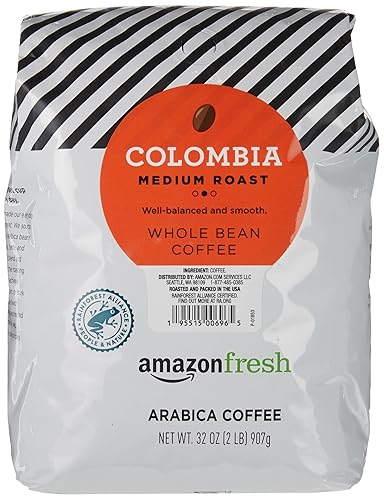
Shopping for one? See our guide: 8 Best Medium Roast Coffee Beans for Everyday Brewing.
Medium roasts typically stop shortly after the first crack ends, when beans have reached a light to medium brown color and a moderate internal temperature. Dark roasts continue past the second crack, when oils start to surface on the bean and the color moves toward deep brown or near-black. The difference in stopping point is what separates the two cups.
Flavor Profile: Dark Roast vs Medium Roast Coffee
Most people notice flavor first. Medium roasts usually show fruit, nut, chocolate and caramel notes, along with a clearer sense of where the coffee was grown. Dark roasts shift toward cocoa, toasted nut, roasted bread, smoke and bitter dark chocolate, while the origin notes fade.
Acidity and sweetness
Medium roasts generally keep more acidity, which reads as brightness or crispness on the palate. Dark roasts lose much of that acidity during roasting, so the cup feels smoother and less tart. Sweetness follows a similar curve: medium roasts often retain some sugar-derived sweetness, while very dark roasts can taste sharp or ashy because the sugars have largely caramelized away.
Body and mouthfeel
Dark roasts usually feel heavier and oilier. The roasting process breaks down cell structures and releases oils, which give the cup a thicker texture. Medium roasts feel lighter and more tea-like, which helps them show delicate flavors in filter coffee.
Caffeine and Density Differences
A common assumption is that dark roast contains more caffeine. By weight, the difference is small, and some measurements show a slight loss with darker roasting. The real difference is in how beans measure. Dark roasted beans are less dense and larger in volume for the same weight, so a scoop of dark roast may contain fewer beans than a scoop of medium roast. If you brew by volume, your cup may end up with slightly less caffeine, though the effect is modest. People who need precise caffeine control should weigh their beans and consult a healthcare professional about intake.
How Each Roast Responds to Brewing Methods
Roast level affects extraction. Medium roasts are denser and more porous in a way that rewards slightly higher water temperatures and careful grind sizes. Dark roasts are more fragile, extract faster and can turn bitter if over-extracted.
Pour-over
For medium roasts, a water temperature around 200°F (93°C) and a grind similar to table salt usually works well. Dark roasts often taste best a little coarser and at slightly lower temperatures, around 195 to 200°F, to avoid harsh bitterness. For a full technique walkthrough, see How to Make Pour-Over Coffee: Step by Step.
French press
Dark roasts suit French press well because the full-immersion brew brings out body and oils. Use a coarse grind and a four-minute steep. Medium roasts also work, but they show more clarity and sweetness if steeped for slightly less time.
Espresso
Dark roast is the traditional choice for espresso in many cafes, because it produces heavy crema and chocolate-forward shots. Medium roast espresso gives more acidity and origin character, but needs more precise dialing in. For a deeper comparison, see Coffee Beans vs Espresso Beans (2026): Which Is Better for Your Brew?.
Cold brew
Cold brew with dark roast emphasizes chocolate and low acidity, which many drinkers find smooth. Medium roast cold brew is brighter and more nuanced. Both benefit from a long steep, typically 12 to 18 hours in the refrigerator, at a coarse grind. See What Is Cold Brew Coffee? How It Differs From Iced Coffee for more.
Step-by-Step: Choosing the Right Roast for You
- Identify your main brewing method. Espresso and French press favor darker roasts, while pour-over often favors medium.
- Decide whether you want origin character or a consistent, bold cup.
- Check your sensitivity to acidity. If coffee often upsets your stomach, a darker roast may feel gentler.
- Buy a small bag of each roast from the same source and taste them side by side at the same ratio.
- Adjust grind size and water temperature for the roast you choose, not just the brew method.
Quick Comparison Table
| Factor | Medium Roast | Dark Roast |
|---|---|---|
| Typical flavor | Fruit, nut, caramel, chocolate | Cocoa, smoke, roasted nut, bitter chocolate |
| Acidity | Moderate to bright | Low |
| Body | Light to medium | Heavy, often oily |
| Origin character | Usually visible | Mostly masked by roast |
| Bean density | Denser | Less dense, larger per gram |
| Forgiveness when brewing | Less forgiving | More forgiving but can turn bitter |
| Common uses | Pour-over, drip, everyday brewing | Espresso, French press, milk drinks |
Recommended gear
A burr grinder makes the biggest difference when adjusting grind size for different roasts. Consistent particles extract evenly, which matters more with dark roasts that over-extract quickly. View on Amazon
A digital scale lets you brew by weight, which keeps dose consistent across roasts that differ in bean density. View on Amazon
A gooseneck kettle gives precise pouring control for pour-over, helpful for tuning medium roasts. View on Amazon
A French press is an easy way to test dark roasts with full body. View on Amazon
Common Mistakes
- Using the same grind size for both roasts. Dark roasts usually need a slightly coarser grind in drip and pour-over.
- Brewing dark roast with water that is too hot, which pulls out harsh bitterness.
- Judging a roast by its color alone. Roast dates and bean origin matter as much as the roast level.
- Storing beans poorly. Oils in dark roast go rancid faster, so keep them sealed and away from heat. See How to Store Coffee Beans So They Stay Fresh.
- Assuming dark roast always has more caffeine. Per gram, the difference is small.
Tips for Better Cups
- Start with a 1:16 coffee-to-water ratio and adjust by taste.
- Taste medium and dark roasts from the same origin to understand the roast’s effect.
- Use filtered water with balanced mineral content for clearer flavors. See Water for Coffee: Quality, Filtering and Temperature.
- Buy beans roasted within the last few weeks and grind just before brewing.
FAQ
Does dark roast have more caffeine than medium roast?
By weight, the difference is small, and some data suggests slightly less caffeine in darker roasts. Dark beans are less dense, so a scoop by volume may contain fewer beans. Weigh your coffee if you need precise control.
Which roast is less acidic?
Dark roast is generally less acidic because roasting breaks down many of the acids that create brightness. Medium roasts keep more of that character.
Is dark roast better for espresso?
Many cafes use dark roast for espresso because it produces heavy crema and bold chocolate flavor. Medium roast espresso can taste more complex, but requires more careful dialing in.
Which roast is better for beginners?
Medium roast is often easier to brew well across methods because it tolerates small errors in grind and temperature. Dark roast is also forgiving but can taste bitter if over-extracted.
Can I use dark roast in a drip coffee maker?
Yes. Dark roast works well in drip machines, especially for a heavy, smoky cup. Use a slightly coarser grind than you would for medium roast to avoid bitterness.
Why does dark roast taste bitter?
Bitterness usually comes from over-extraction, water that is too hot, or a grind that is too fine. Roasting itself produces some bitter compounds, so darker roasts have a higher baseline.
Do roast dates matter more than roast level?
Freshness affects flavor significantly. A fresh medium roast often tastes better than a stale dark roast, so check the roast date before deciding on level.
Is dark roast healthier than medium roast?
Research on roast level and health is mixed and does not support a clear winner. If you have health concerns, consult a healthcare professional about coffee intake.
Conclusion
Medium roasts offer balance, brightness and a clear taste of origin, while dark roasts deliver body, bold chocolate and smoky depth. The best choice depends on your brewing method and taste preferences. Try both roasts from the same source, adjust your grind and water temperature for each, and keep the one that suits your cup.
Ready to choose one?

About Spencer Wallace
Spencer researches and writes buying guides and how-to articles on coffee beans & brewing methods. Picks are based on product specifications, brand reputation and patterns in owner feedback, and are updated as new models come out.