By Miles Sinclair
Updated November 2026
Yes, you can use regular coffee beans for espresso, and many home baristas do. The catch is that ordinary beans are usually roasted lighter or meant for a different brewing method, so they often need a finer grind, a adjusted dose and a bit of patience to pull a balanced shot. Here is why it works, what can go wrong and how to fix it.
Why Regular Beans Can Make Espresso
Espresso is a brewing method, not a bean type. Any roasted coffee can go through a portafilter if you grind it fine enough and push hot water through it at pressure, usually around 9 bars. Regular beans sold for drip or French press are roasted to a range of levels, and many fall in the medium range that works well for espresso. The difference is mostly in how the beans behave once they are ground and pressed.
Shopping for one? See our guide: 5 Best Good Espresso Coffee Beans for Home Baristas (2026).
Espresso uses a much finer grind than drip coffee, and the contact time is only about 25 to 30 seconds. That means the beans have to be extracted quickly and evenly. Beans that are very light, very old or unevenly roasted tend to struggle with this, while medium-roast beans usually give the most predictable results.
Factors That Change the Shot
Several variables decide whether a regular bag tastes good as espresso:
- Roast level: Medium to medium-dark roasts extract more evenly. Very light roasts often taste sour and thin, and very dark roasts can taste bitter or ashy.
- Freshness: Beans are best used within a few weeks of the roast date. Stale beans produce weak, flat shots and more crema loss.
- Grind size: Drip grind will run through the basket too fast. Aim for a grind close to powdered sugar or fine table salt.
- Dose and yield: A common starting point is 18 grams in and about 36 grams out, a 1:2 ratio, in roughly 25 to 30 seconds.
How to Make Regular Beans Work Better
If your shot runs too fast and tastes sour, grind finer. If it takes more than 35 seconds and tastes bitter or harsh, grind coarser. Change one variable at a time and taste each shot. Water temperature of roughly 92 to 94°C (198 to 204°F) also helps with balance.
- Check the roast date and use beans roasted within the last few weeks.
- Grind fresh right before brewing, aiming for a fine, even espresso setting.
- Dose about 18 grams and tamp level with consistent pressure.
- Pull the shot targeting roughly 36 grams of liquid in 25 to 30 seconds.
- Adjust grind size first, then dose, then yield, based on taste.
For more background on how roast and bean choice affect the cup, see Coffee Beans vs Espresso Beans (2026): Which Is Better for Your Brew? and Are Espresso and Coffee Beans the Same? Espresso vs Coffee Beans (2026).
What we’d use
If you want a bag built for espresso rather than adapting a regular one, a medium-roast option is a practical place to start. Look for a bag labeled as a medium roast with a clear roast date.
- Lavazza Super Crema Espresso Coffee Beans, a widely available blend often used for home espresso. View on Amazon
- illy Classico Whole Bean Espresso, a medium roast designed for consistent home shots. View on Amazon
For a range of options, read 6 Best Medium Roast Espresso Coffee Beans for Balanced Shots (2026).
FAQ
Will regular coffee beans damage my espresso machine?
No. Regular beans will not harm the machine itself, but very oily dark roasts can leave residue in the grinder and group head, so clean them regularly.
Do I need a special grinder?
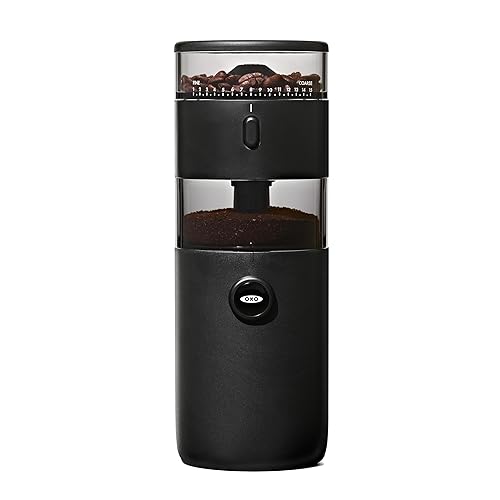
A grinder that can produce a fine, consistent grind is important for espresso. Blade grinders are not suitable, and a burr grinder gives much better control.
Why does my espresso taste sour even with good beans?
Sourness usually means under-extraction. Try a finer grind, a slightly longer shot time or a slightly higher dose. If the shot is bitter instead, go coarser. Consult your machine’s manual for recommended settings, as specific models may vary.
Ready to choose one?
About Miles Sinclair
Miles Sinclair is part of our editorial team and reviews and edits our coffee beans & brewing methods guides, checking product details against manufacturer specifications and owner feedback.