As an Amazon Associate I earn from qualifying purchases. This page may contain affiliate links.
Freshly roasted coffee beans for espresso are the single biggest factor in a shot that tastes sweet and balanced instead of sour or flat. Espresso pulls a small volume of coffee under high pressure, so every weakness in the beans shows up in the cup. Beans that were roasted recently, sit in the right roast range, and come from a blend or origin suited to pressure brewing make dialing in far easier. This guide compares eight options and explains how to judge them, so you can match a bag to your machine, your grinder, and the drinks you like most.
Our Top Picks
Our selection is based on published specifications, brand reputation for roasting practices, and patterns that owners commonly report, including roast-date labeling, how consistently the beans grind, and how the shots taste over time. We did not run our own tests, so treat the notes below as a research summary rather than a lab result.
Quick Comparison
| Product | Best for | Key feature |
|---|---|---|
| Intelligentsia Black Cat Classic Espresso | Classic chocolate-forward shots with milk drinks | Dark-leaning espresso blend with a printed roast date |
| Counter Culture Espresso Blend | Balanced everyday espresso for home machines | Blend designed for consistency across brew setups |
| Stumptown Hair Bender | Versatile shots that work as straight espresso or milk drinks | Multi-origin blend with a roast date on the bag |
| Blue Bottle Giant Steps Espresso | Bright, fruit-forward shots for experienced dialers | Single-origin-leaning blend with lighter roast character |
| Verve Street Level Espresso | Sweet, caramel-toned shots for milk-based drinks | Roasted in small batches with a clearly printed roast date |
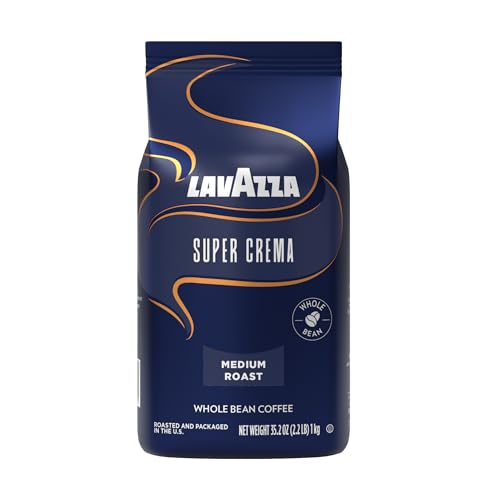
| Lavazza Super Crema Whole Bean | Budget-conscious daily espresso with a creamy finish | Widely available whole bean with a smooth, low-acid profile |
| illy Classico Whole Bean Espresso | Consistent, low-acid shots with a nutty profile | Medium roast with a long-running consistent house style |
| Peet’s Major Dickason’s Blend | Bold, dark espresso for strong milk drinks | Dark roast blend with a heavy body suited to milk |
Intelligentsia Black Cat Classic Espresso
This is a well-known dark-leaning espresso blend for people who want chocolate and caramel notes that cut through steamed milk. It suits home baristas who make lattes and cappuccinos most days and want a predictable, sweet base.
Key specs
- Roast style: dark-leaning espresso roast
- Format: whole bean, typically sold in 12 oz and 2 lb bags
- Roast date printed on the bag
- Recommended for pressure brewing
Pros
- Sweet, chocolate-forward profile that holds up in milk drinks
- Strong brand reputation among espresso drinkers
- Roast date makes freshness easy to check
Cons
- Can taste heavy or bittersweet for drinkers who prefer bright shots
- Oils can build up on grinder burrs faster than with lighter roasts
Counter Culture Espresso Blend
Counter Culture’s espresso blend is aimed at home users who want reliable results across different machines and grinders. It is a sensible choice if you are still learning to dial in and want a forgiving coffee.
Key specs
- Roast style: medium-dark espresso blend
- Format: whole bean in standard retail bag sizes
- Roast date listed on packaging
- Designed for espresso and milk-based drinks
Pros
- Balanced sweetness and body for everyday shots
- Forgiving window when grind size drifts slightly
- Strong reputation for transparent sourcing information
Cons
- Less complexity than single-origin options for experienced drinkers
- Availability can vary by region and retailer
Stumptown Hair Bender
Hair Bender is one of the most widely discussed espresso blends in specialty coffee. It is built to taste good as a straight shot and in milk, which makes it a flexible pick for households with mixed preferences.
Key specs
- Roast style: medium-dark multi-origin blend
- Format: whole bean
- Roast date printed on the bag
- Intended for espresso brewing
Pros
- Works both as straight espresso and in milk drinks
- Caramel and dark fruit notes that many drinkers find approachable
- Consistent shot-to-shot behavior reported by owners
Cons
- Not the brightest option for people who want acidity
- Pricing sits toward the premium end of the market
Blue Bottle Giant Steps Espresso
Giant Steps leans toward lighter, brighter espresso and rewards careful dialing. It suits people who enjoy fruit and floral notes and are willing to adjust grind and dose to find the sweet spot.
Key specs
- Roast style: lighter-to-medium espresso roast
- Format: whole bean
- Roast date printed on packaging
- Suited to pressure brewing with a dialed-in grinder
Pros
- Bright, fruit-forward character unlike most dark espresso blends
- Clear roast-date practice supports freshness
- Good fit for black espresso and tasting-focused drinkers
Cons
- Less forgiving on grind and dose than darker roasts
- Can taste sour if the shot runs fast or the beans are older
Verve Street Level Espresso
Street Level is a sweet, caramel-leaning espresso that works well when you make a lot of milk drinks and want the coffee to stay present behind the milk. It is a good match for people who like their shots mellow and dessert-like.
Key specs
- Roast style: medium-dark espresso blend
- Format: whole bean
- Small-batch roasting with a printed roast date
- Recommended for espresso and milk beverages
Pros
- Sweet caramel and cocoa tones that suit lattes well
- Small-batch roasting is commonly associated with fresher bags
- Forgiving in a range of home grinders
Cons
- Limited brightness for drinkers who want complex fruit notes
- Bag sizes and stock can be inconsistent across retailers
Lavazza Super Crema Whole Bean
Lavazza Super Crema is a widely available, low-acid blend that many households use for daily espresso. It is a practical pick if you want a smooth, familiar flavor and easy access at the grocery store or online.
Key specs
- Roast style: medium roast espresso blend
- Format: whole bean
- Designed for espresso machines and moka-style brewing
- Low perceived acidity
Pros
- Smooth, creamy finish that is easy to drink black or with milk
- Broadly available, which simplifies restocking
- Good entry point for people new to whole bean espresso
Cons
- Roast date is not always as prominent as on specialty bags
- Flavor is more uniform and less distinctive than craft blends
illy Classico Whole Bean Espresso
illy’s Classico is known for a consistent house style built around a medium roast with nutty and cocoa notes. It suits people who value repeatable results from shot to shot and a low-acid, rounded cup.
Key specs
- Roast style: medium espresso roast
- Format: whole bean in pressurized or standard packaging depending on size
- Consistent blend profile maintained over time
- Suited to espresso machines
Pros
- Consistent flavor across bags and production runs
- Nutty, low-acid cup that is gentle on sensitive palates
- Pairs well with milk while still tasting like coffee
Cons
- Less fresh-roast intensity than specialty single-roaster blends
- Limited variety for drinkers who want rotating origins
Peet’s Major Dickason’s Blend
Major Dickason’s is a dark, full-bodied blend that many people choose for strong milk drinks. Its roast is bold, so it is best for those who want a heavy, roasty espresso rather than a delicate one.
Key specs
- Roast style: dark roast espresso blend
- Format: whole bean
- Roast date on packaging for freshness tracking
- Designed for espresso and strong milk drinks
Pros
- Heavy body and bold character that cut through milk
- Long-established brand with a clear dark-roast identity
- Forgiving grind range for most home grinders
Cons
- Roasty and bitter flavors can dominate for lighter-roast fans
- Limited sweetness and fruit compared with medium-roast options
Buying Guide
Selection criteria we used
When comparing freshly roasted coffee beans for espresso, we looked at four things: how clearly the roast date is printed, the roast level and how it suits pressure brewing, the consistency owners commonly describe across bags, and how well the coffee handles milk versus straight shots. These are the factors most likely to affect what ends up in your cup.
Important features to look for
- Roast date: Look for a specific roast date, not just a “best by” date. Espresso tastes best roughly one to three weeks after roasting for many blends, though preferences vary.
- Roast level: Medium to dark roasts are the most common espresso choice because they produce body and sweetness with less sourness. Lighter roasts can be excellent but usually need more dialing in.
- Whole bean format: Whole beans keep their flavor longer than pre-ground coffee, which matters for espresso because the surface area of ground coffee oxidizes quickly.
- Origin or blend information: Blends are designed for balance and consistency, while single-origin coffees show more distinct fruit and floral notes.
Specs to check on the bag
Check the roast date first, then the roast style (light, medium, medium-dark, dark), the bean format, and any tasting notes. Many espresso blends list flavor descriptors such as chocolate, caramel, or red fruit. These are useful guides, but they are the roaster’s intent, not a guarantee of what you will taste.
Choosing by need
- Milk drinks most days: Choose a darker, sweeter blend that stays present behind milk.
- Straight espresso and tasting: Consider a lighter or single-origin option, but expect to spend more time dialing in.
- Beginners: Pick a forgiving medium or medium-dark blend with a clear roast date.
- Budget-minded buyers: Widely available whole bean blends can work well, especially if you buy in sizes you can use within a few weeks.
Things to watch out for
- Bags with no roast date, or only a “best by” date far in the future.
- Pre-ground espresso, which loses aromatics faster than whole beans.
- Oily beans on a fresh bag. Dark roasts often show oil, which can clog grinders over time; clean your burrs regularly.
- Buying more than you can use in about a month, since espresso flavor declines as beans age.
FAQ
How fresh should coffee beans be for espresso?
Many espresso drinkers find beans taste best roughly one to three weeks after roasting, though this varies by roast level and blend. Very fresh beans can taste sour or gassy because they release carbon dioxide and need to degas. Beans that are several months old usually taste flat.
Should I buy medium or dark roast for espresso?
Medium-dark roasts are the most common espresso choice because they produce sweetness and body with less risk of sourness. Dark roasts suit milk drinks well, while medium roasts offer more origin character. Your preference and your machine both matter, so try a few.
Is whole bean always better than pre-ground for espresso?
For most home users, yes. Whole beans keep their aromatics longer, and grinding just before brewing gives you more control over flavor. Pre-ground espresso can work in a pinch, but it tends to taste stale faster.
How should I store espresso beans?
Keep beans in an airtight container away from heat, light, and moisture. Avoid the refrigerator, where condensation can affect the beans. For a deeper look at storage, see How to Store Coffee Beans So They Stay Fresh.
Do I need a special grinder for espresso beans?
Espresso requires a fine, consistent grind, so a burr grinder is strongly recommended. Blade grinders produce uneven particles that make shots hard to control. If you are shopping for one, Manual Coffee Grinders: What to Know Before Buying covers the tradeoffs.
Why does my espresso taste sour?
Sourness often comes from under-extraction, which can happen with a grind that is too coarse, too little coffee, or beans that are very fresh and still degassing. Adjusting grind size and waiting a few more days after roasting often helps. Our guide Coffee Beans Explained: Species, Roasts and Freshness explains roast levels in more detail.
Are dark roast espresso beans healthier?
Roast level does affect the chemical makeup of coffee, but the health effects of espresso depend on the individual and their overall diet. If you have a medical condition or concerns about caffeine or acidity, consult a healthcare professional before making changes.
Conclusion
For freshly roasted coffee beans for espresso, the best choice depends on what you drink most. If milk drinks are your daily habit, a sweet, medium-dark blend such as Intelligentsia Black Cat Classic Espresso, Verve Street Level Espresso, or Stumptown Hair Bender is a strong starting point. If you want an approachable, everyday shot with a forgiving window, Counter Culture Espresso Blend or illy Classico Whole Bean Espresso fit well. For bright, fruit-forward straight espresso, Blue Bottle Giant Steps Espresso rewards dialing in. Lavazza Super Crema Whole Bean and Peet’s Major Dickason’s Blend cover the smooth and bold ends of the range respectively. Whichever you choose, check the roast date, buy whole beans, and use them within a few weeks for the best results.