 By Audrey Hayes
Updated November 2026
Costa rican coffee beans are prized for their bright acidity, clean body and fruit-forward notes, and the country’s high-altitude growing regions produce some of the most consistent Arabica in Central America. If you are looking for a bag that suits your brewing method, this guide narrows the field to seven options. We selected them on four criteria: the bean’s origin and altitude, the roast level and how well it matches common brewing methods, the transparency of the sourcing claims on the packaging, and the general pattern of owner feedback about flavor consistency and freshness.
Our top picks at a glance
- 1
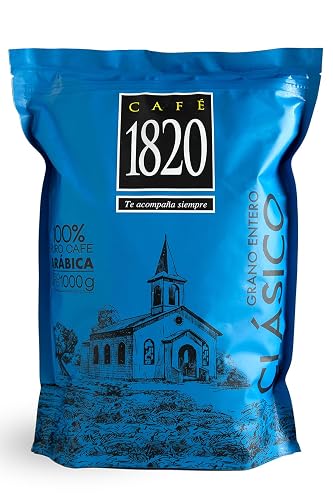 TOP CHOICEBest overallCafé 1820 Whole Bean, Premium Costa Rican Whole Bean CoffeeView on Amazon
- 2
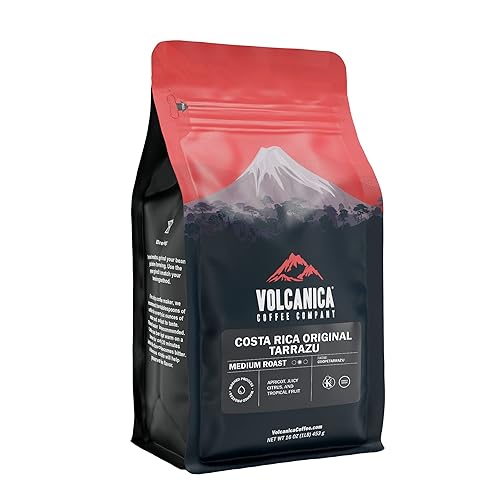 TOP CHOICEBest for drip machinesCosta Rica Coffee, Tarrazu OriginalView on Amazon
- 3
 TOP CHOICEBest for everyday valueMt. Comfort Coffee Costa Rica Medium Roast, 2.5lbView on Amazon
- 4
 Best for organic buyersJava Planet Low Acid Organic Costa Rica Whole Bean Coffee 16ozView on Amazon
- 5
 Best for pour-over fansCoffee Bean Direct Costa Rican Tarrazu, Light Roast, 5lb BagView on Amazon
- 6
 Best for bold, dark cupsFresh Roasted Coffee Dark Costa Rican Tarrazu, Med-Dark Roast, 2 lbView on Amazon
- 7
 Best budget pickAllegro Coffee Costa Rica El Volcan Whole Bean, 12 ozView on Amazon
Our Top Picks
Before you compare the table, it helps to know what drives the flavor in costa rican coffee beans. Most of the coffee grown in Costa Rica is Arabica, and much of it comes from the Tarrazú region, where farms sit at roughly 1,200 to 1,900 meters above sea level. Higher altitudes slow the cherry’s development, which tends to produce denser beans with more pronounced acidity. Roast level then decides how much of that origin character survives into the cup. Light and medium roasts usually keep the citrus and stone fruit notes, while darker roasts shift toward chocolate, nut and roasted sugar. The picks below are arranged so you can match the roast and format to how you brew.
Quick Comparison
| Product | Best for | Key feature |
|---|---|---|
| Café 1820 Whole Bean | Overall balance | Medium-dark roast, high-altitude blend |
| Costa Rica Coffee, Tarrazu Original | Drip machines | Medium roast, Fair Trade sourcing |
| Mt. Comfort Coffee Costa Rica | Everyday brewing | Medium roast, 2.5 lb bag |
| Java Planet Low Acid Organic | Organic and low-acid preference | USDA Organic, Bird Friendly certification |
| Coffee Bean Direct Costa Rican Tarrazu | Pour-over | Light roast, single origin, 5 lb bag |
| Fresh Roasted Coffee Dark Costa Rican Tarrazu | Bold, dark cups | Medium-dark roast, Kosher |
| Allegro Coffee Costa Rica El Volcan | Budget-conscious buyers | Whole bean, 12 oz bag |
Café 1820 Whole Bean, Premium Costa Rican Whole Bean Coffee
Café 1820 Whole Bean, Premium Costa Rican Whole Bean Coffee, 100% Arabica, Medium-Dark Roast Coffee Beans, High Altitude Blend With Aroma & Fruity Notes, 35 oz
Best for: Overall balance and a versatile daily cup
This is a good starting point for drinkers who want a full-bodied, aromatic cup without going into heavily roasted territory. It suits people who brew in a drip machine or French press and want a bag that works across methods.
Key specs
- 100% Arabica beans
- Medium-dark roast
- Whole bean format
- 35 oz (about 2.2 lb) bag
Pros
- Balanced body with fruity notes
- Large bag size reduces reorder frequency
- Works across several brewing methods
Cons
- Medium-dark roast can mute the brightest origin notes
- Large bag may go stale before you finish it if you brew lightly
Bottom line: A strong all-around choice for households that brew several cups a day and want one bag to cover most needs.
Costa Rica Coffee, Tarrazu Original
Costa Rica Coffee, Tarrazu Original, Whole Bean, Medium Roast, Fair Trade, Fresh Roasted, 16-ounce
Best for: Drip machines and clean, everyday brewing
This medium-roast option is aimed at drinkers who want the classic Tarrazú profile: moderate acidity, a clean finish and a balanced sweetness. It is a sensible pick for automatic drip brewers.
Key specs
- Whole bean format
- Medium roast
- Tarrazú origin
- 16 oz bag
Pros
- Clear, bright profile typical of Tarrazú coffee
- Fair Trade sourcing listed on the packaging
- Smaller bag is easier to finish while fresh
Cons
- Smaller bag means more frequent repurchasing
- May taste thin to drinkers who prefer a heavier body
Bottom line: Good for drip brewers who want a crisp, classic Costa Rican cup in a manageable bag size.
Mt. Comfort Coffee Costa Rica Medium Roast, 2.5lb
Mt. Comfort Coffee Costa Rica Medium Roast, 2.5lb – Sourced From Local, Costa Rican Coffee Farms – Roasted Whole Bean
Best for: Everyday brewing and larger households
The 2.5 lb format makes this a practical choice for households that go through coffee quickly. It is a medium roast that leans toward approachability rather than sharp acidity.
Key specs
- Whole bean format
- Medium roast
- Sourced from Costa Rican coffee farms
- 2.5 lb bag
Pros
- Large bag suits frequent brewing
- Smooth, approachable medium roast
- Sourcing is described as local to Costa Rican farms
Cons
- Less origin-specific character than single-farm offerings
- Large bag needs proper storage to stay fresh through the end
Bottom line: A dependable everyday bag for families or offices that want a steady, mild Costa Rican cup.
Java Planet Low Acid Organic Costa Rica Whole Bean Coffee 16oz
Certified USDA Organic Arabica Coffee Beans. Low acid, mold tested. Smithsonian Bird Friendly. Dark roast, one 1-pound bag. Java Planet Low Acid Organic Costa Rica Whole Bean Coffee 16oz
Best for: Organic buyers and drinkers who prefer lower acidity
This bag targets buyers who want certified organic beans and a gentler cup. The listing emphasizes low acidity and mold testing, which may appeal to people sensitive to acidic coffee.
Key specs
- USDA Organic certified
- Low acid positioning
- Smithsonian Bird Friendly certification
- Dark roast, 16 oz bag
Pros
- Organic and Bird Friendly certifications stated on the listing
- Low-acid positioning suits sensitive stomachs
- Dark roast masks some of the sharpness of Arabica acidity
Cons
- Dark roast reduces the bright origin character Costa Rica is known for
- Smaller bag size compared with bulk options
Bottom line: The right pick for buyers who prioritize organic certification and a smoother, lower-acid profile. Anyone with a medical condition affected by coffee should consult a healthcare professional before changing their intake.
Coffee Bean Direct Costa Rican Tarrazu, Light Roast, 5lb Bag
Light Roast, Single Origin Arabica Coffee Beans Coffee Bean Direct Costa Rican Tarrazu, Whole Bean, 5lb Bag
Best for: Pour-over and light-roast fans
A light roast lets the bean’s origin character come through most clearly. This is a strong choice for pour-over drinkers who enjoy floral, citrus and tea-like notes.
Key specs
- Single origin Costa Rican Tarrazú
- Light roast
- Whole bean format
- 5 lb bag
Pros
- Light roast highlights origin acidity and fruit notes
- Single origin sourcing gives a clear flavor identity
- Large bag suits regular pour-over routines
Cons
- Light roasts need careful grind and water control to avoid sourness
- Not ideal for drinkers who prefer a heavy, chocolate-forward cup
Bottom line: Best for experienced pour-over drinkers who want a bright, origin-driven cup in bulk.
Fresh Roasted Coffee Dark Costa Rican Tarrazu, Med-Dark Roast, 2 lb
Fresh Roasted Coffee, Dark Costa Rican Tarrazu Whole Bean Coffee, Med-Dark Roast, Kosher, 2 lb (32 oz)
Best for: Bold, dark cups and milk drinks
This medium-dark roast gives a fuller body and more roasted sweetness. It holds up well to milk, which makes it a reasonable choice for lattes and cappuccinos made at home.
Key specs
- Costa Rican Tarrazú origin
- Medium-dark roast
- Whole bean format
- Kosher certified, 2 lb (32 oz) bag
Pros
- Full body suits milk-based drinks
- Kosher status is stated on the listing
- Roast level is consistent for drinkers who like a bolder cup
Cons
- Darker roast mutes bright Tarrazú acidity
- Oils may appear on the surface of the beans sooner than with lighter roasts
Bottom line: A good match for people who want a bold, chocolatey cup for lattes or a strong drip brew.
Allegro Coffee Costa Rica El Volcan Whole Bean, 12 oz
Allegro Coffee, Coffee Costa Rica El Volcan Whole Bean, 12 Ounce
Best for: Budget-conscious buyers who want to try Costa Rican coffee
The 12 oz format is an easy way to sample costa rican coffee beans without committing to a large bag. It is a sensible first purchase for someone new to the origin.
Key specs
- Whole bean format
- Costa Rica El Volcán origin
- 12 oz bag
Pros
- Small bag lets you sample without a big commitment
- Single origin Costa Rican profile
- Easy to finish while the beans are fresh
Cons
- Smaller bag means more frequent reordering for daily drinkers
- Less detail is published about roast date and processing than on some premium bags
Bottom line: A low-commitment entry point for first-time buyers exploring Costa Rican beans.
Buying Guide
Choosing the right bag comes down to a few practical factors. Work through them in order, and the best fit for your kitchen usually becomes clear. For background on how bean varieties differ, see Types of Coffee Beans: Arabica, Robusta and More Explained.
Origin and Altitude
Costa Rican coffee is grown across several regions, and Tarrazú is the most cited for high-altitude production. Higher growing elevations generally produce denser beans with brighter acidity. Look for the region or farm name on the bag rather than just the country. If the packaging only says “Costa Rica,” expect a more blended profile.
Good picks for this: Costa Rica Coffee, Tarrazu Original; Coffee Bean Direct Costa Rican Tarrazu
Roast Level
Roast level shapes most of what you taste. Light roasts keep citrus and floral notes, medium roasts balance sweetness and acidity, and dark roasts emphasize chocolate and roasted flavors. If you are new to Costa Rican beans, a medium roast is a safe starting point. Drinkers who want bright, tea-like cups should lean lighter.
Good picks for this: Mt. Comfort Coffee Costa Rica Medium Roast; Fresh Roasted Coffee Dark Costa Rican Tarrazu
Bean Format and Grind Freshness
Whole beans stay fresher than pre-ground coffee because oxidation is slower. If you own a grinder, buy whole beans and grind just before brewing. Pre-ground coffee loses aromatic compounds quickly, often within a short window after grinding. Choose a bag size you can finish within a few weeks of opening.
Good picks for this: Café 1820 Whole Bean; Allegro Coffee Costa Rica El Volcan Whole Bean
Bag Size and Storage
Larger bags cost less per ounce but expose more beans to air each time you open them. Transfer beans to an airtight container, keep them away from heat and light, and avoid the refrigerator, where condensation can affect flavor. For a small household, a 12 to 16 oz bag is often more practical than a 5 lb bag.
Good picks for this: Allegro Coffee Costa Rica El Volcan Whole Bean; Costa Rica Coffee, Tarrazu Original
Certifications and Sourcing Claims
Certifications such as USDA Organic or Fair Trade indicate that a third party has verified specific production standards. These labels describe farming practices, not flavor. Read the packaging to confirm which claims are actually stated, and treat vague wording like “premium” as marketing rather than verified information.
Good picks for this: Java Planet Low Acid Organic Costa Rica Whole Bean Coffee; Costa Rica Coffee, Tarrazu Original
Brewing Method Fit
Match the roast and grind to your brewer. Pour-over and drip methods suit lighter and medium roasts because they highlight clarity. French press and espresso-style drinks pair better with medium-dark and dark roasts. If you brew cold, a medium roast with moderate acidity tends to hold up well, as described in Which Beans for Cold Brew Coffee Work Best? A Practical Guide.
Good picks for this: Coffee Bean Direct Costa Rican Tarrazu; Fresh Roasted Coffee Dark Costa Rican Tarrazu
Storage Life and Roast Date
Coffee is best within a few weeks of roasting. When comparing bags, look for a roast date on the packaging. If none is listed, the bag may be older than you expect. Keep the beans sealed and avoid storing them in clear containers near a window or stove.
Good picks for this: Café 1820 Whole Bean; Mt. Comfort Coffee Costa Rica Medium Roast
FAQ
What makes costa rican coffee beans taste different?
Costa Rican Arabica is often grown at higher altitudes, which slows bean development and tends to produce brighter acidity and clearer fruit notes. Tarrazú is the most frequently cited growing region. Roast level then determines how much of that character reaches the cup.
Is a light or dark roast better for Costa Rican beans?
Neither is universally better. Light and medium roasts preserve origin character such as citrus and floral notes. Dark roasts shift flavor toward chocolate and roasted sweetness. Choose based on your taste and brewing method.
Should I buy whole bean or ground coffee?
Whole beans keep their aroma longer. If you have a grinder, buy whole beans and grind them just before brewing. Pre-ground coffee is convenient but loses freshness faster.
How should I store costa rican coffee beans?
Store beans in an airtight, opaque container at room temperature, away from heat and light. Avoid the refrigerator because condensation can affect flavor. Buy quantities you can finish within a few weeks of opening.
Are organic Costa Rican beans better?
Organic certification describes farming practices, such as restrictions on synthetic inputs. It does not guarantee a particular taste. If organic farming matters to you, look for a recognized certification on the packaging.
Is Costa Rican coffee low in acid?
Costa Rican coffee is known for bright acidity, but perceived acidity depends on roast, grind and brewing method. Darker roasts and low-acid products can taste smoother. Anyone with acid reflux or a sensitive stomach should consult a healthcare professional before changing their coffee intake.
Which Costa Rican bag is best for a beginner?
A smaller medium-roast bag is a practical starting point. It lets you learn how the origin tastes without committing to a large purchase, and you can adjust grind and ratio as you go.
Conclusion
Costa rican coffee beans offer a wide range of flavors, from bright and floral to bold and chocolatey, depending on region, roast and format. For an overall balance across methods, Café 1820 Whole Bean is a strong starting point. Drip brewers will find Costa Rica Coffee, Tarrazu Original a clean match, while pour-over fans may prefer the light-roast Coffee Bean Direct Costa Rican Tarrazu. Buyers focused on organic certification should look at Java Planet Low Acid Organic, and those who want a bold, milk-friendly cup will find Fresh Roasted Coffee Dark Costa Rican Tarrazu suits them. Mt. Comfort offers a practical everyday bag, and Allegro’s 12 oz bag makes a low-commitment way to sample the origin.
Sources
- Standards for USDA Organic certification and what the label does and does not guarantee (usda.gov)
- Fair Trade certification criteria and how producer price and community standards are verified
- Guidance on caffeine content and general consumption information for adults (fda.gov)
Related reading
- What Are Puerto Rican Coffee Beans? Origins, Flavor and Brewing Tips
- 7 Best Coffee Beans Costa Ricas (2026): Our Picks
- Where Do Coffee Beans Come From? Regions, Species and Altitude
- Lavazza Super Crema Coffee Beans: A Buyer's and Brewing Guide
- How to Store Coffee Beans So They Stay Fresh
- How to Preserve Coffee Beans: 7 Steps to Keep Them Fresh Longer
About Audrey Hayes
Audrey Hayes is part of our editorial team and reviews and edits our coffee beans & brewing methods guides, checking product details against manufacturer specifications and owner feedback.


