 By Audrey Hayes
Updated November 2026
Shoppers searching for mold free coffee beans usually want two things: confidence that the beans are free of mold and mycotoxins, and a cup that still tastes good. This guide compares six whole bean coffees that brands market as mold free, mycotoxin tested or clean. Our selection looks at the claims each brand makes, how transparent the testing is, roast level, acidity, certifications such as USDA Organic, and the patterns buyers commonly report after brewing. We have not lab-tested these coffees ourselves, so treat each claim as the manufacturer’s statement and check the current packaging before you buy.
Our top picks at a glance
- 1
 TOP CHOICEBest overallBulletproof Original Medium Roast Whole Bean CoffeeView on Amazon
- 2
 TOP CHOICEBest for low-acid daily brewingMaud's Organic Low Acid Medium Roast Whole Bean CoffeeView on Amazon
- 3
 TOP CHOICEBest for bold, dark roast fansLow Acid Dark Roast Coffee, Whole BeanView on Amazon
- 4
 Best budget pickJava Planet Low Acid Organic Colombian Whole Bean CoffeeView on Amazon
- 5
 Best for ethical sourcingEquip Foods Clean Coffee Medium Roast NicaraguaView on Amazon
- 6
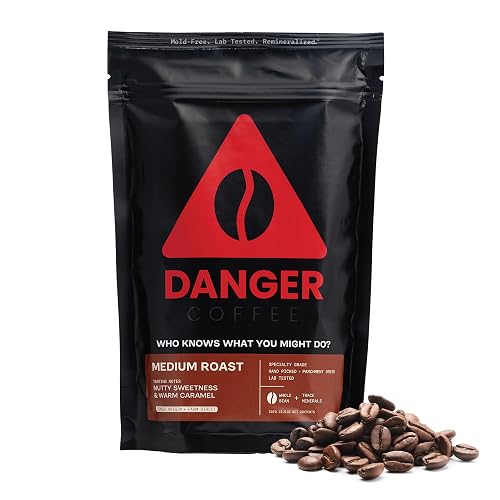 Best for mineral-focused brewingDanger Coffee Whole Bean by Dave AspreyView on Amazon
Our Top Picks
How we selected these beans
Mold and mycotoxins are a real concern in coffee, which is why many brands now publish testing claims. We weighted our picks on five points: how clearly the brand states its mold or mycotoxin testing, whether certifications such as USDA Organic or Fair Trade are listed, roast level and acidity, the sourcing story, and recurring owner feedback about freshness and taste. Where a brand gave no detail about its testing, we said so. For background on how coffee quality is shaped, see Types of Coffee Beans: Arabica, Robusta and More Explained and Varieties of Coffee Beans: 5 Main Types and How to Choose.
Quick Comparison
| Product | Best for | Key feature |
|---|---|---|
| Bulletproof Original Medium Roast Whole Bean Coffee | Overall clean-coffee buyers | Stated toxin testing on the label |
| Maud’s Organic Low Acid Medium Roast Whole Bean Coffee | Low-acid daily brewing | USDA Organic 100% Arabica, mold-tested claim |
| Low Acid Dark Roast Coffee, Whole Bean | Bold, dark roast drinkers | Mycotoxin-free claim, fresh roasted |
| Java Planet Low Acid Organic Colombian Whole Bean Coffee | Budget-minded shoppers | Certified organic, low acid, mold tested |
| Equip Foods Clean Coffee Medium Roast Nicaragua | Ethically minded buyers | Organic, Fair Trade, regenerative sourcing |
| Danger Coffee Whole Bean by Dave Asprey | Mineral-focused brewing | Remineralized with humic and fulvic minerals |
Bulletproof Original Medium Roast Whole Bean Coffee
Bulletproof Original Medium Roast Whole Bean Coffee, 12 Ounces, Clean Coffee Tested for Toxins
Best for: Overall clean-coffee buyers who want a medium roast with a stated toxin testing claim.
This is a good starting point for shoppers who want a familiar medium roast and a clear, prominent statement about testing for toxins. It suits people who brew daily in a drip machine, French press or pour-over and want a balanced, approachable cup.
Key specs
- Whole bean, 12 ounces
- Medium roast
- Marketed as clean coffee tested for toxins
Pros
- Testing claim is printed directly on the listing
- Medium roast suits a wide range of brewing methods
- Easy to find as a recognizable brand
Cons
- Full test reports are not something every buyer can easily check from the listing alone
- Flavor is more classic than adventurous
Bottom line: A strong default choice if you want a clean-coffee claim with an easy-drinking roast.
Maud’s Organic Low Acid Medium Roast Whole Bean Coffee
Mold Free, Mycotoxin Free – 100% Arabica Coffee, USDA Organic Maud's Organic Low Acid Medium Roast Whole Bean Coffee 10oz, Lab Tested
Best for: Low-acid daily brewing for drinkers sensitive to acidic coffee.
Shoppers who find regular coffee hard on their stomach or teeth often look for low-acid options. This listing combines a low-acid claim with USDA Organic 100% Arabica and a mold-free, mycotoxin-free statement, making it a sensible pick for everyday drinkers.
Key specs
- Whole bean, 10 ounces
- Medium roast
- 100% Arabica, USDA Organic
- Marketed as low acid and mold free
Pros
- Organic certification is listed
- Low-acid positioning suits sensitive drinkers
- Medium roast is versatile across brew methods
Cons
- Smaller bag size than some competitors
- Low-acid coffee can taste flatter to people used to brighter cups
Bottom line: Best for anyone who wants organic, low-acid, mold-free coffee for daily use.
Low Acid Dark Roast Coffee, Whole Bean
Low Acid Dark Roast Coffee, Whole Bean, Mycotoxin Free, Clean and Pure, Kosher, Fresh Roasted, 11 oz
Best for: Bold, dark roast fans who still want a low-acid, mycotoxin-free bag.
Dark roasts tend to taste heavier and less acidic than lighter roasts, which is part of their appeal for sensitive drinkers. This listing pairs a dark roast with mycotoxin-free and kosher claims, so it suits people who want strong flavor without the bright acidity.
Key specs
- Whole bean, 11 ounces
- Dark roast
- Marketed as low acid, mycotoxin free, kosher
Pros
- Dark roast delivers a full body and low perceived acidity
- Kosher and mycotoxin-free claims are listed
- Fresh roasted positioning
Cons
- Dark roast can taste smoky or bitter if over-extracted
- Smaller bag size
Bottom line: A good fit for people who prefer dark, bold coffee and want a low-acid option.
Java Planet Low Acid Organic Colombian Whole Bean Coffee
Certified USDA Organic Arabica Coffee Beans. Low acid, mold tested. Bird Friendly. Medium dark roast, one 1-pound bag. Java Planet Low Acid Organic Colombian Whole Bean Coffee 16oz
Best for: Budget-minded shoppers who want organic, low-acid, mold-tested coffee in a larger bag.
This 16-ounce bag is one of the more economical ways to buy certified organic, low-acid coffee. The listing highlights USDA Organic certification, mold testing and bird-friendly sourcing, which appeals to buyers who care about both quality and the environment.
Key specs
- Whole bean, 16 ounces
- Medium dark roast
- Colombian origin, USDA Organic certified
- Marketed as low acid, mold tested, bird friendly
Pros
- Larger bag suits frequent brewers
- USDA Organic and bird-friendly claims are listed
- Medium dark roast balances body and sweetness
Cons
- Colombian profile is more familiar than unusual
- Some buyers prefer a lighter roast for brightness
Bottom line: The practical choice for shoppers who brew a lot and want certified organic beans without overspending.
Equip Foods Clean Coffee Medium Roast Nicaragua
Equip Foods Clean Coffee | Gold Standard, Certified Organic, Fair Trade, Regenerative | Medium Roast, Whole Bean, Nicaragua | Brown Sugar+Chocolate+Citrus
Best for: Ethically minded buyers who prioritize sourcing and certifications.
Equip Foods positions this coffee around a “gold standard” of clean sourcing, citing organic, Fair Trade and regenerative credentials. It is aimed at shoppers who want to know where their beans come from and how they were grown, with tasting notes of brown sugar, chocolate and citrus.
Key specs
- Whole bean, medium roast
- Nicaragua origin
- Certified organic and Fair Trade, per the listing
- Tasting notes: brown sugar, chocolate, citrus
Pros
- Multiple sourcing certifications are listed
- Tasting notes give a clear expectation of flavor
- Medium roast suits most brewing methods
Cons
- Certification language is marketing-heavy; verify details on the packaging
- Fewer independent owner reviews than long-established brands
Bottom line: Pick this if traceable, certified sourcing matters as much as the cup itself.
Danger Coffee Whole Bean by Dave Asprey
Remineralized with Humic and Fulvic Minerals, Mold Free & Lab Tested, Whole Bean Coffee, 10.9 Ounce Danger Coffee Whole Bean by Dave Asprey | Mold Free, Medium Roast | 10.9 oz
Best for: Mineral-focused brewing and buyers who want a mold-free claim paired with a specific mineral profile.
This medium roast is marketed as remineralized with humic and fulvic minerals and as mold free and lab tested. It suits drinkers who follow the brand’s approach to coffee and want a clearly defined product story rather than a generic bag.
Key specs
- Whole bean, 10.9 ounces
- Medium roast
- Marketed as remineralized with humic and fulvic minerals
- Marketed as mold free and lab tested
Pros
- Clear, specific product positioning
- Mold-free and lab-tested claims are listed
- Medium roast is approachable
Cons
- Mineral claims are brand-specific and not independently verified in this guide
- Smaller bag than some competitors
Bottom line: A good choice for buyers who want the brand’s distinct approach and a mold-free claim.
Buying Guide
Testing and certification claims
Look for specific language such as “mycotoxin tested” or “lab tested,” and check whether the brand publishes results or names a testing method. Vague phrases like “clean” alone do not tell you much. Certifications like USDA Organic add a second layer of verification about growing practices, though they do not directly measure mold.
Good picks for this: Bulletproof Original Medium Roast Whole Bean Coffee, Danger Coffee Whole Bean by Dave Asprey
Roast level
Roast affects both flavor and perceived acidity. Medium roasts keep more origin character, while dark roasts tend to taste heavier and less acidic. Choose based on your palate and brewing method. Our guide on Why Are Dark Roast Coffee Beans Oily? Causes and Fixes explains what to expect from darker roasts.
Good picks for this: Low Acid Dark Roast Coffee, Whole Bean, Maud’s Organic Low Acid Medium Roast Whole Bean Coffee
Acidity
Low-acid coffees are often recommended for drinkers with sensitive stomachs. Low acidity is a marketing and processing claim rather than a standardized measure, so check the listing wording and your own tolerance. For a related look at sensitive-stomach coffee, see 5 Best Gluten Free Coffee Beans for Sensitive Stomachs (2026).
Good picks for this: Maud’s Organic Low Acid Medium Roast Whole Bean Coffee, Java Planet Low Acid Organic Colombian Whole Bean Coffee
Freshness and roast date
Whole beans lose aroma faster than unopened, sealed bags suggest, so look for a roast date rather than only a “best by” date. Store beans in an airtight container away from heat, light and moisture. If you buy in bulk, consider storing in smaller portions. Guidance on fresh buying is in Where to Buy the Freshest Coffee Beans: 6 Best Picks in 2026.
Good picks for this: Low Acid Dark Roast Coffee, Whole Bean, Equip Foods Clean Coffee Medium Roast Nicaragua
Bag size and value
Match bag size to how quickly you drink coffee. A 10 to 12 ounce bag suits a single brewer, while a 16 ounce bag can work for households that brew several cups a day. Buying a larger bag makes sense only if you can use it before the beans go stale.
Good picks for this: Java Planet Low Acid Organic Colombian Whole Bean Coffee, Bulletproof Original Medium Roast Whole Bean Coffee
Sourcing and origin
Origin and farm practices shape flavor and ethics. Certifications such as Fair Trade and organic indicate defined standards, while origin details like Nicaragua or Colombia tell you what flavor profile to expect. For background, read Where Do Coffee Beans Come From? Regions, Species and Altitude.
Good picks for this: Equip Foods Clean Coffee Medium Roast Nicaragua, Java Planet Low Acid Organic Colombian Whole Bean Coffee
Brewing method fit
Medium roasts work well in pour-over and drip, while dark roasts often shine in French press and espresso-style brewing. If you cold brew, grind size and bean choice matter more; see Which Beans for Cold Brew Coffee Work Best? A Practical Guide.
Good picks for this: Danger Coffee Whole Bean by Dave Asprey, Maud’s Organic Low Acid Medium Roast Whole Bean Coffee
FAQ
Can coffee beans actually have mold?
Yes. Coffee can carry mold and mycotoxins if it is improperly dried, stored in humid conditions or roasted from damaged beans. Reputable roasters address this through sourcing, drying and storage controls and sometimes through testing.
What does “mycotoxin free” mean on a label?
It means the brand claims its product tested below a stated threshold for mycotoxins. Check whether the brand names the test or publishes results, since the wording alone does not describe the method.
Does roasting remove mold?
Roasting can reduce some mold and mycotoxins, but it does not reliably eliminate them from badly contaminated beans. Buying from brands with clear testing and sourcing practices is the more dependable approach.
Are low-acid coffees always mold free?
No. Acidity and mold are separate properties. A low-acid label describes taste and stomach sensitivity, while mold-free or mycotoxin-tested claims describe safety testing. Look for both if both matter to you.
How should I store mold-free coffee beans?
Keep beans sealed in an airtight container, away from heat, light and humidity. Avoid refrigerating or freezing unless you are storing for a long time and can prevent condensation.
Should I talk to a professional about coffee and health?
If you have a medical condition, a mold allergy or a sensitivity to caffeine or acidity, consult a doctor or registered dietitian before changing your coffee habits.
Conclusion
For most shoppers, Bulletproof Original Medium Roast Whole Bean Coffee is a solid all-round pick with a clear testing claim. If low acidity matters most, Maud’s Organic Low Acid Medium Roast Whole Bean Coffee and the Low Acid Dark Roast are the better fit. Budget-minded buyers should look at the Java Planet Colombian bag, while ethically minded shoppers may prefer Equip Foods Clean Coffee Nicaragua. Danger Coffee by Dave Asprey suits buyers who want its specific mineral-focused approach. Whichever you choose, check the packaging for current testing details and buy a roast date you can drink through.
Sources
- Guidance on food safety, contaminants and mycotoxin-related monitoring (fda.gov)
- Information on the USDA Organic standard and how organic certification is defined (usda.gov)
- Background on mycotoxins and their health effects in food (who.int)
About Audrey Hayes
Audrey Hayes is part of our editorial team and reviews and edits our coffee beans & brewing methods guides, checking product details against manufacturer specifications and owner feedback.