By Miles Sinclair
Updated November 2026
Espresso blend coffee beans are a mix of coffees roasted and selected to work together under pressure. This guide explains what goes into a good espresso blend, how to pick one that suits your taste, and how to dial in your grind, dose and yield so every shot tastes balanced. Most home baristas can get a clearly better shot within a few attempts once they understand these variables.
What Makes an Espresso Blend Different
A blend combines several origins, usually two to five, so each component covers a weakness in the others. A bright, acidic Ethiopian coffee might be paired with a heavy-bodied Brazilian or Indian coffee to add sweetness and mouthfeel. Roasters typically target a consistent flavor profile, so the blend tastes the same from one bag to the next even when individual crop lots vary. Single-origin espresso is more sensitive to small changes, which is why many home users start with a blend.
Shopping for one? See our guide: 5 Best Good Espresso Coffee Beans for Home Baristas (2026).
How to Choose the Right Blend for Your Taste
Start with the roast level printed on the bag. Medium roasts tend to show more fruit and acidity, while dark roasts emphasize chocolate, caramel and body. Many people who want a classic milk-drink shot prefer a medium-dark roast. Check whether the roaster lists tasting notes and whether the beans were roasted recently; a roast date within the last few weeks is a better sign than a long best-by date. We also found 5 Best Kirkland Signature House Blend Coffee Beans of 2026 useful on this point.
Consider how you drink espresso. If you add milk, a blend with chocolate and nut notes usually holds up well. If you drink shots straight, look for a blend with more sweetness and lower bitterness.
Dialing In Your Shot
Dialing in means adjusting grind size, dose and yield until the shot tastes balanced. Use these starting points, then adjust one variable at a time:
- Dose 18 grams of beans into the portafilter. Many baskets are rated for 18 to 20 grams.
- Grind fine, like table salt or slightly finer. Pull the shot and time it.
- Aim for a yield of about 36 grams of liquid espresso in 25 to 30 seconds. This is a common 1:2 ratio, though some baristas prefer 1:2.5 for more body.
- If the shot runs faster than 25 seconds and tastes sour or thin, grind finer. If it runs slower than 30 seconds and tastes bitter or harsh, grind coarser.
- Taste again after each change. Repeat until the shot is sweet, balanced and not overly bitter.
Water Temperature and Freshness
Most espresso machines work best with water between roughly 90 and 96 degrees Celsius at the group head. Water that is too cool under-extracts and tastes sour, while water that is too hot can scorch the coffee and taste bitter. Beans are usually best between about 5 and 20 days after roasting, once the gases have released and before the flavors fade. Store them in an airtight container away from heat and light, and grind only what you need for each shot.
Common Mistakes
- Changing grind size and dose at the same time, which makes it hard to tell what helped.
- Judging a shot by appearance alone instead of taste and timing.
- Using stale beans with a roast date several months old.
- Grinding too far ahead, which lets aromatics escape.
- Tamping unevenly, which can cause channeling and sour, watery shots.
Recommended Gear
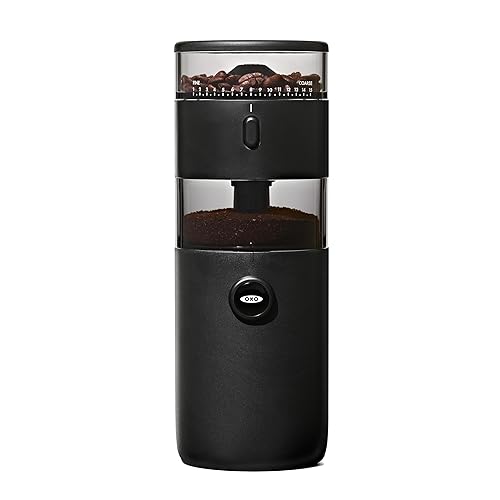
A burr grinder gives the consistent particle size that espresso needs. Look for a model with stepped or micro-adjustable settings so you can fine-tune your grind. View on Amazon
A digital scale lets you weigh your dose and yield, which is more reliable than measuring by volume. View on Amazon
A tamper that fits your portafilter basket helps you apply even pressure, reducing channeling. View on Amazon
FAQ
Is an espresso blend better than single-origin beans for beginners?
For most beginners, yes. Blends are designed for consistency and forgiveness, so they tend to taste good across a wider range of grind settings. Single origins can reward experienced users with more distinctive flavors.
How long should an espresso shot take?
A common target is 25 to 30 seconds for a 1:2 ratio, meaning about 18 grams in and 36 grams out. Use the timing as a guide and adjust based on taste.
Should I buy whole beans or pre-ground espresso?
Whole beans stay fresher longer and let you adjust grind size for each brew. Pre-ground coffee is convenient but loses aroma faster, so grind your beans just before pulling a shot when possible.
Conclusion
Good espresso starts with a blend that suits your taste and beans that are fresh. Dial in your dose, grind and yield one step at a time, and let taste guide your adjustments. With steady practice, your shots will become more balanced and consistent.
Related reading
- Starbucks Coffee Espresso Beans: A Step-by-Step Guide to Brewing Better Shots
- Lavazza Super Crema Espresso Coffee Beans: A Practical Guide (2026)
- Illy Espresso Coffee Beans Review: Features and Performance
- Freshly Roasted Coffee Beans for Espresso: 5 Best Picks Compared (2026)
- Espresso V Coffee Beans (2026): Which Is Better for Your Brew?
Ready to choose one?
About Miles Sinclair
Miles Sinclair is part of our editorial team and reviews and edits our coffee beans & brewing methods guides, checking product details against manufacturer specifications and owner feedback.