As an Amazon Associate I earn from qualifying purchases. This page may contain affiliate links.
illy espresso coffee beans are a dark-leaning, 100% Arabica blend built around a consistent house profile that the company has kept for decades. They suit home espresso drinkers who want a smooth, chocolate-forward shot with low acidity and reliable results from one bag to the next. They are a weaker fit for anyone who prefers bright, fruit-driven single-origin coffees, or for drinkers who want to brew mainly by pour-over. Because the roast is consistent and the packaging is designed to protect freshness, many buyers treat them as a dependable everyday espresso rather than a novelty purchase. The notes below are based on the manufacturer’s published information and on patterns that owners commonly describe, not on any hands-on testing by this site.
Product Overview
illy is an Italian coffee company based in Trieste, and its signature espresso blend has been marketed for many years as a single, unchanging recipe. The company’s standard whole bean espresso is a blend of Arabica beans sourced from several growing regions, roasted to a medium-dark level that is intended to produce a balanced, creamy espresso with body and sweetness. Rather than chasing a seasonal or single-estate profile, the goal is consistency: the same taste from bag to bag, year to year.
The beans are typically sold in sealed, one-way degassing cans or bags, which is the format most buyers encounter. The packaging is meant to release carbon dioxide while keeping oxygen out, which helps preserve aroma after roasting. For home users, that means the beans arrive ready to grind and pull, with no need to wait out a long resting period before the first shot, though many people find a few days’ rest after opening the can gives a slightly more rounded result.
Because this is a blend designed for espresso, it is best understood as a tool for a specific job. It is not trying to be the most complex or most expressive coffee on the shelf. It is trying to deliver a reliable, pleasant espresso under a wide range of home conditions, and that focus is the main reason people return to it.
Key Features & Specifications
The table below summarizes the characteristics the manufacturer publishes or that are widely reported. Where a detail varies by market or packaging size, it is described in general terms rather than as a fixed figure.
| Feature | Details |
|---|---|
| Product type | Whole bean espresso blend |
| Coffee species | 100% Arabica |
| Roast level | Medium-dark, espresso-oriented |
| Flavor direction | Chocolate, caramel, mild nutty sweetness, low acidity |
| Format | Whole beans, sold in sealed cans or bags |
| Packaging design | Pressurized, valve-based system intended to limit oxygen exposure |
| Intended brew method | Espresso (home espresso machines and grinders) |
| Consistency | Blend formulated to match the same profile over time |
Package sizes and exact ingredient sourcing are subject to change, so check the current label for the precise net weight and origin statement. The core profile, however, has been stable enough that it is the main reason the product is recommended for home espresso.
Pros & Cons
Pros
- Smooth, low-acid cup that many drinkers find easy to enjoy straight as an espresso.
- Consistent profile from bag to bag, which helps when dialing in a grinder.
- Works well with milk drinks because the chocolate and caramel notes carry through dairy.
- Sealed packaging is designed to protect aroma during storage.
- Widely available and easy to reorder once you know it suits your machine.
Cons
- Limited fruit and floral range, so it will not appeal to drinkers who want bright, complex coffees.
- Medium-dark roast can taste flat or roasty to people who prefer lighter profiles.
- Typically higher in cost per gram than many mass-market espresso blends, so it is a premium option.
- Less suited to pour-over or drip, where its espresso-oriented roast can taste heavy.
- Whole bean format requires a quality grinder to get the most from it.
Performance Analysis
Performance for an espresso blend depends on three things: the roast, the grind, and the machine. On the roast side, the medium-dark profile is designed to extract evenly under pressure, which is why owners tend to describe fewer sour or underdeveloped shots than they report from very light roasts. On the flavor side, the chocolate and caramel character is the dominant note, with acidity kept deliberately low. Owners frequently describe the body as thick and syrupy in a well-pulled shot, which is one reason the blend holds up under steamed milk.
Grind is where most home problems arise. Because the beans are formulated for espresso, they need a fine, consistent grind. Many owners report that the shot runs too fast and tastes sour if the grind is too coarse, and bitter or choked if it is too fine. A practical starting point is to aim for a shot of roughly 1:2 by weight, meaning about 18 grams of ground coffee yielding about 36 grams of liquid espresso over 25 to 30 seconds, then adjust the grinder by small steps. Water temperature in the range most espresso machines target is appropriate, and fresh water matters, as covered in Water for Coffee: Quality, Filtering and Temperature.
Freshness also shapes the experience. Owners who open a can and use it within a few weeks often describe the sweetest shots. Storing the opened container in a cool, dark, airtight place, rather than near the machine or a sunny window, helps preserve those notes. For guidance, see How to Store Coffee Beans So They Stay Fresh.
Outside espresso, results are more mixed. A drip or pour-over brew from this roast tends to taste heavier and less bright than from a lighter blend, which is expected given the design. If you plan to brew mostly by filter, a different roast profile will likely serve you better.
Who Should Buy This Product?
This blend is a good match for home espresso drinkers who own a machine and a capable grinder and want a dependable, smooth shot with milk-friendly sweetness. It also suits people who value consistency and do not want to troubleshoot a new blend every time they reorder. Households that drink a mix of straight espresso and cappuccinos or lattes will likely find it especially versatile.
It is a weaker choice for anyone who wants a bright, fruity, or floral cup, for drinkers who brew primarily with pour-over or French press, and for people without a grinder that can produce a fine, even espresso grind. In those cases, a light-roast single origin or a coffee roasted for filter brewing will almost certainly give more enjoyment. Buyers who are still learning to dial in espresso may also prefer a less expensive blend while they build technique.
Buying Guide
When shopping for any espresso bean, start with three questions. First, what is your machine and grinder? A consistent burr grinder is more important than the bean brand for good espresso. Second, what drinks do you make most often? Straight shots favor a balanced, sweeter profile, while milk drinks can handle a bolder roast. Third, how quickly will you use the beans? Freshness matters more for espresso than for most brew methods, so buy amounts you can finish within a few weeks of opening.
For a clear comparison, consider these well-known alternatives, each with a different emphasis:
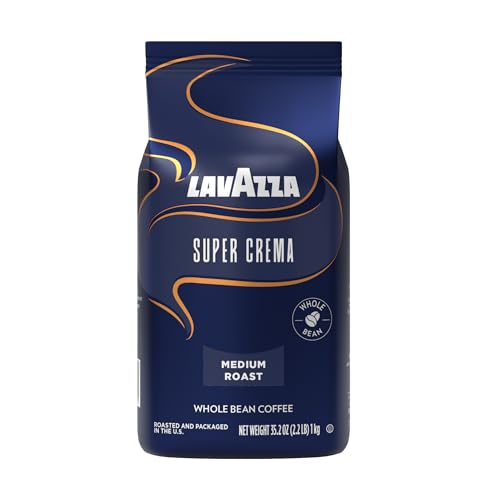
- Lavazza Super Crema Whole Bean Espresso – an Italian-style blend often chosen for a rich crema and a more traditional bittersweet profile. View on Amazon
- Lavazza Qualita Oro Whole Bean Coffee – a blend many buyers select for a smooth, balanced cup suited to both espresso and drip. View on Amazon
- Illy Classico Medium Roast Whole Bean Coffee – a lighter, more approachable option from the same company that some drinkers prefer for filter brewing. View on Amazon
Whichever you choose, read the roast date if it is printed, and look for a clear origin statement. If you are new to choosing beans, Buying Coffee Beans: How to Read a Coffee Bag explains the common label terms, and Types of Coffee Beans: Arabica, Robusta and More Explained covers the species differences that shape flavor.
FAQ
Are illy espresso coffee beans 100% Arabica?
The brand describes its standard espresso blend as 100% Arabica. Because labeling and sourcing can change, check the current packaging to confirm the statement before buying.
Do illy espresso coffee beans work in a regular drip machine?
They will brew, but the medium-dark, espresso-oriented roast tends to taste heavy and less bright than a filter-designed coffee. Most owners find better results with a lighter roast for drip.
What grind size should I use for this blend?
For espresso, aim for a fine, consistent grind. Start near the setting that gives a shot of about 18 grams in and 36 grams out over 25 to 30 seconds, then adjust in small steps.
Do the beans taste better after resting?
Many owners find a few days after opening the can gives a slightly more rounded flavor. Freshness still matters, so avoid letting the beans sit for many weeks.
Are these beans good for cappuccino and latte?
Yes, the chocolate and caramel notes are commonly described as holding up well with steamed milk, which is one reason the blend is popular for milk drinks.
How should I store the beans once opened?
Keep them in an airtight container in a cool, dark place away from heat and moisture. Avoid storing them near the espresso machine. See How to Store Coffee Beans So They Stay Fresh for more detail.
Is this a good choice for someone new to espresso?
It can be, because its consistency makes it easier to dial in. However, beginners will still need a capable grinder, and some may find a lighter, less intense blend more forgiving while they learn.
Final Verdict
illy espresso coffee beans are a solid, dependable choice for home espresso drinkers who want a smooth, low-acid, chocolate-leaning shot that works well straight or with milk. Their greatest strength is consistency, backed by a recipe the brand has kept stable for years. They are less rewarding for filter brewing or for anyone who prefers bright, fruit-forward coffee, and they reward a good grinder and fresh beans. If your setup is ready for espresso and your taste leans toward sweetness and body, this blend is worth considering. You can find it here: View on Amazon
For background on how beans like these are grown and classified, see Where Do Coffee Beans Come From? Regions, Species and Altitude, and for pairing with equipment, Home Espresso Machines: What You Need to Know and Manual Coffee Grinders: What to Know Before Buying are useful next reads.
Related reading
- Where Do Coffee Beans Come From? Regions, Species and Altitude
- Types of Coffee Beans: Arabica, Robusta and More Explained
- How to Store Coffee Beans So They Stay Fresh
- How to Grind Coffee Beans: A Step-by-Step Guide for Home Brewers
- Different Types of Coffee Beans: Arabica, Robusta and More
- Coffee Beans Explained: Species, Roasts and Freshness