By Miles Sinclair
Updated November 2026
Lavazza espresso coffee beans are a practical choice for home espresso, and with the right grind, dose and timing you can pull a balanced shot with rich crema and clear body. This guide walks through the variables that matter most: grind size, dose, water temperature and extraction time. Follow the steps below and you will have a repeatable starting point you can adjust to your taste.
Start With the Right Grind Size
Espresso depends on a fine, consistent grind. Lavazza espresso blends are typically roasted for the espresso method, so they tend to extract well when ground finer than drip coffee. Grind size is the fastest lever you have, so change it in small steps. If your shot runs too fast and tastes sour and thin, grind finer. If it runs slowly, tastes bitter, or chokes the machine, grind coarser.
Shopping for one? See our guide: 5 Best Good Espresso Coffee Beans for Home Baristas (2026).
Dial In Dose, Ratio and Extraction Time
Most home baristas start with a dose of about 18 grams of ground coffee and a yield of roughly 36 grams of liquid espresso, a 1:2 ratio. Aim for a total shot time of about 25 to 30 seconds. Weigh both your dose and your output, since volume measures are unreliable for espresso. Once you have a starting point, adjust the grind first, then the dose, and only then the ratio.
Set Your Water Temperature
Water temperature shapes flavor more than many people expect. Many espresso machines run between about 90 and 96 °C (195 to 205 °F) at the group head. Lighter roasts usually taste better at the higher end, while darker roasts can taste harsh if the water is too hot. Check your machine’s manual for its specified brew temperature, and change it gradually.
Read the Shot and Taste Notes
Taste is your final check. A well-extracted Lavazza shot should taste balanced, with some sweetness, moderate body and a lingering finish. Use this quick guide to diagnose problems:
| What you taste | Likely cause | Adjustment |
|---|---|---|
| Sour, thin, fast shot | Under-extraction | Grind finer |
| Bitter, harsh, slow shot | Over-extraction | Grind coarser or shorten the shot |
| Flat, muted flavor | Stale beans or low dose | Use fresher beans, check dose |
Practical Checklist
- Weigh your dose before grinding (around 18 g as a starting point).
- Grind fine and consistent, adjusting in small increments.
- Distribute and tamp evenly and level.
- Pull the shot, aiming for 25 to 30 seconds.
- Weigh the output and taste, then change one variable at a time.
Common Mistakes
- Changing several variables at once, which makes results hard to read.
- Judging by volume instead of weight.
- Using beans that were ground days ago and have lost aroma.
- Storing beans in a warm, bright or humid spot instead of an airtight container.
- Ignoring the machine’s own temperature and pressure settings.
Recommended Gear
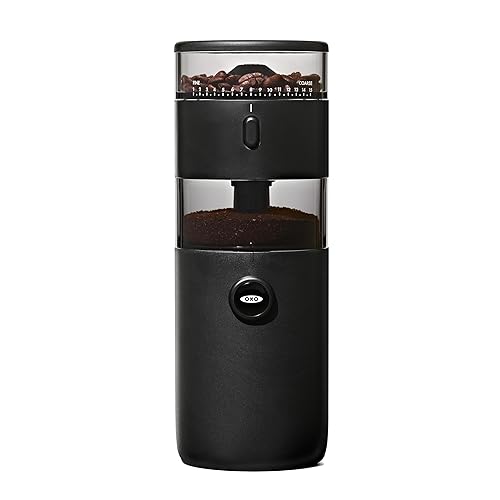
- Conical burr grinder: Consistent particle size is the foundation of good espresso, and a burr grinder gives you far more control than blade grinders. View on Amazon
- Digital scale with timer: Weighing dose and output and timing the shot makes your results repeatable. View on Amazon
- Tamper: A level, well-fitted tamper helps you compress the grounds evenly. View on Amazon
FAQ
Are Lavazza espresso coffee beans good for home espresso machines?
Yes, they are designed for espresso preparation and work well in most home machines once you dial in the grind. Results depend heavily on your grinder and machine quality.
How fine should I grind Lavazza beans for espresso?
Start fine, around the texture of table salt or slightly finer, and adjust until a shot of about 25 to 30 seconds yields balanced flavor.
How should I store Lavazza espresso beans?
Keep them in an airtight container away from heat, light and moisture. Grind just before brewing for the best aroma.
Conclusion
Good shots with lavazza espresso coffee beans come from controlling a few variables: grind size, dose, water temperature and shot time. Weigh everything, change one thing at a time, and taste after each adjustment. With a consistent routine, you will find a dial-in point that suits your machine and palate.
Related reading
- Lavazza Super Crema Espresso Coffee Beans: A Practical Guide (2026)
- Starbucks Coffee Espresso Beans: A Step-by-Step Guide to Brewing Better Shots
- Lavazza Whole Coffee Beans Review: Pros and Cons
- Lavazza Super Crema Coffee Beans: A Buyer's and Brewing Guide
- Illy Espresso Coffee Beans Review: Features and Performance
- Freshly Roasted Coffee Beans for Espresso: 5 Best Picks Compared (2026)
Ready to choose one?
About Miles Sinclair
Miles Sinclair is part of our editorial team and reviews and edits our coffee beans & brewing methods guides, checking product details against manufacturer specifications and owner feedback.