As an Amazon Associate I earn from qualifying purchases. This page may contain affiliate links.
Coffee beans vs espresso beans is less a battle between two different crops and more a question of roast and blend. Espresso beans are usually coffee beans roasted darker and often blended for body and crema, so they suit anyone who pulls shots or wants a bold, chocolatey cup. Regular coffee beans, roasted lighter or medium, are the better pick for pour-over, drip and French press drinkers who want to taste origin character and fruit or floral notes.
| Criterion | Coffee Beans (general brewing) | Espresso Beans |
|---|---|---|
| Typical roast level | Light to medium | Medium-dark to dark |
| Common blend style | Single origin or light blends | Blended for sweetness and body |
| Flavor profile | Bright acidity, fruit, floral, nuanced | Caramel, chocolate, toasted nut, low acid |
| Ideal grind | Medium to coarse, depending on method | Fine, close to powder |
| Best brewing methods | Pour-over, drip, French press, cold brew, AeroPress | Espresso machine, moka pot, Aeropress for concentrate |
| Crema production | Minimal | Strong, thanks to CO2 from darker roasting |
| Forgiveness for beginners | Easier to brew well across methods | Less forgiving; dialing in takes practice |
| Milk drink suitability | Good in lattes if roasted medium | Excellent, stands up to milk |
Roast Level and What It Does to the Bean
The most important difference between these two categories is roast level. Coffee beans sold for filter brewing are commonly roasted to a light or medium stage, where the natural acids, sugars and aromatics of the origin are still visible. Espresso beans are typically taken further, into medium-dark or dark territory, where sugars caramelize and oils move to the surface.
Winner for clarity of origin: coffee beans. A light or medium roast lets you taste whether a Kenyan lot is juicy and blackcurrant-like or an Ethiopian lot is jasmine-forward. Darker roasts mute those differences in favor of roast flavor. If you want to understand where your beans were grown, the article Where Do Coffee Beans Come From? Regions, Species and Altitude is a useful companion.
Flavor and Body
Espresso beans are built for a concentrated cup. Blends often combine a sweet, heavy-bodied base with a smaller share of brighter coffee for lift. The result is a shot with syrupy texture and notes of dark chocolate, toasted nuts and caramel.
Winner for flavor complexity: coffee beans. Brewed through a paper filter or a French press, a good light-roast coffee shows layered acidity and fruit. Those delicate notes often fade under the intensity of an espresso extraction. For a reference on species differences that shape flavor, see Arabica vs Robusta: The Two Main Coffee Species.
Winner for body and richness: espresso beans. Espresso is designed to deliver thick mouthfeel, which is why it reads so well in milk drinks.
Grind Size and Equipment
Grind size is where the two categories diverge in practice. Espresso requires a very fine grind, roughly the texture of powdered sugar, so that water pushed at around 9 bars of pressure extracts in 25 to 30 seconds for a double shot. Filter coffee usually sits between medium (similar to sand) and coarse (similar to sea salt), depending on the brewer.
A burr grinder with stepless or fine adjustment is essential for espresso. Electric Coffee Grinders: Burr vs Blade and Settings explains why burr grinders produce more consistent particles than blade models. If you prefer a hands-on approach, Manual Coffee Grinders: What to Know Before Buying covers the trade-offs.
Winner for flexible equipment: coffee beans. You can brew them well in almost any method with a basic grinder. Espresso beans demand a more capable setup.
Brewing Method Compatibility
Coffee beans shine across the board. A medium roast works in a V60, a Chemex, a French press or a cold brew system. Cold brew in particular benefits from coarse grind and a lighter roast; How to Make Cold Brew Coffee at Home: A Step-by-Step Guide walks through the process.
Espresso beans are most at home in an espresso machine or a moka pot. You can also use them in an AeroPress, though you will get a concentrated, intense cup rather than a clean filter brew.
Winner for versatility: coffee beans. Espresso beans are the specialist. If you own a moka pot, How to Use a Moka Pot: Stovetop Coffee Step by Step is a good starting point.
Forgiveness and Ease of Brewing
Espresso is the least forgiving brewing method. Small changes in dose, grind or tamp produce large changes in taste, and the shot can taste sour, bitter or hollow if dialed in poorly. Coffee beans brewed through a filter give you more room for error. Water temperature, bloom time and pour rate matter, but the margin for success is wider.
Winner for beginners: coffee beans. Start with a pour-over or French press, learn your grinder, then move to espresso once you are comfortable.
Crema and Milk Drinks
Crema is the golden layer on top of a fresh shot. It forms when pressurized water carries dissolved CO2 and emulsified oils through finely ground, freshly roasted coffee. Darker espresso blends generally produce more reliable crema, though very fresh beans of any roast produce more.
Winner for lattes and cappuccinos: espresso beans. Their low acidity and heavy body hold up under steamed milk. A medium-roast coffee can work in a latte, but it tends to taste thinner.
Freshness and Storage
Both categories lose aroma quickly after roasting. Espresso beans, because they are often roasted darker and oilier, can go stale in some respects sooner once the bag is open. Keep either type in an airtight container away from heat, light and moisture. How to Store Coffee Beans So They Stay Fresh covers the details.
Tie. Freshness matters equally for both, and the storage rules are the same.
Which Should You Choose?
- Choose coffee beans if you brew with a pour-over, drip machine, French press or cold brew system and want to taste origin character.
- Choose coffee beans if you are new to home brewing and want a more forgiving process.
- Choose espresso beans if you own an espresso machine or moka pot and want rich, chocolatey shots.
- Choose espresso beans if your daily drink is a latte, cappuccino or flat white.
- Choose coffee beans if you want one bag that works across several brewing methods.
- Choose espresso beans if you prefer a bold, low-acid cup that cuts through milk.
Product Options
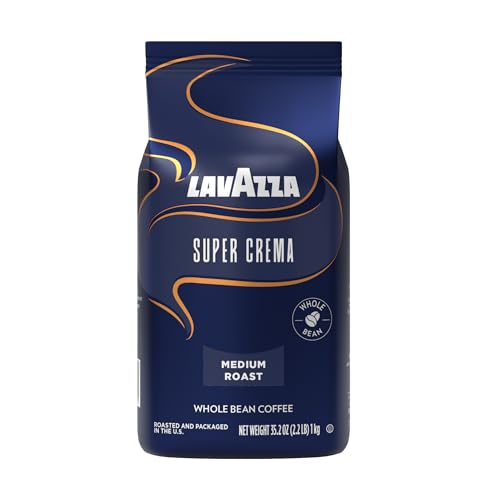
For a filter-focused coffee bean, look for a medium or light roast labeled with a single origin or region. For espresso, look for a blend described as suited to espresso, with notes of chocolate or caramel. Here are representative options to start your search:
Coffee beans (filter and general brewing): View on Amazon
Espresso beans (espresso and milk drinks): View on Amazon
FAQ
Can I use espresso beans for drip coffee?
Yes. Espresso beans work in a drip machine, but the cup will taste heavier and more bitter than a medium roast. Use a slightly coarser grind and a little less coffee per cup to reduce harshness.
Can I use regular coffee beans in an espresso machine?
You can, but results are usually thin and sour. Lighter roasts need a finer grind and a higher dose to extract well, and many home machines struggle to do this. A medium-dark blend labeled for espresso will give more consistent shots.
Are espresso beans a different species?
No. Espresso beans are typically blends of Arabica and sometimes Robusta, roasted for espresso. “Espresso” describes how the beans are roasted and used, not a separate plant variety.
Do espresso beans contain more caffeine?
Not meaningfully. Caffeine per gram is similar across roasts. A double espresso does concentrate caffeine into a smaller volume, but a full cup of drip coffee often contains more total caffeine because of its larger serving size. Exact amounts vary by bean and preparation.
Which is better for a beginner home brewer?
Coffee beans are the easier starting point. A pour-over or French press lets you learn about grind size, water temperature and ratios without the pressure and precision that espresso demands.
Conclusion
Coffee beans vs espresso beans comes down to how you drink coffee. Choose lighter-roasted coffee beans if you value origin flavor, forgiving brewing and versatility across methods. Choose espresso beans if you want a dense, chocolatey shot and milk drinks that hold their own. Both can be excellent when matched to the right equipment and grind, and many home brewers keep one bag of each on hand.