As an Amazon Associate I earn from qualifying purchases. This page may contain affiliate links.
Choosing coffee beans for French press brewing is less about finding one “perfect” bag and more about matching the beans to how you like your cup. A French press uses full immersion, with coarse grounds steeping in hot water for about four minutes before a metal mesh plunger separates them. Because the metal filter lets oils and fine particles through, the brew tends to be full-bodied, heavy and sometimes a little muddy, which changes which beans taste best. This guide looks at eight bean options chosen by research-based criteria: roast level, origin character, freshness signals, grind compatibility and the flavor profiles owners most often describe as working well in a press. We did not brew or lab-test these coffees ourselves. Instead, we drew on manufacturer specifications, brand reputation and common patterns in owner feedback.
Our Top Picks
Quick Comparison
| Product | Best for | Key feature |
|---|---|---|
| Death Wish Coffee Dark Roast Whole Bean | Strong, bold brews with a heavy body | Very dark roast with high caffeine marketing |
| Peet’s Coffee Major Dickason’s Blend | Classic dark-roast fans who want chocolate and spice notes | Dark roast blend with a well-known roaster profile |
| Stumptown Coffee Roasters Hair Bender | Drinkers who want balance across roast styles | Multi-origin blend designed for versatility |
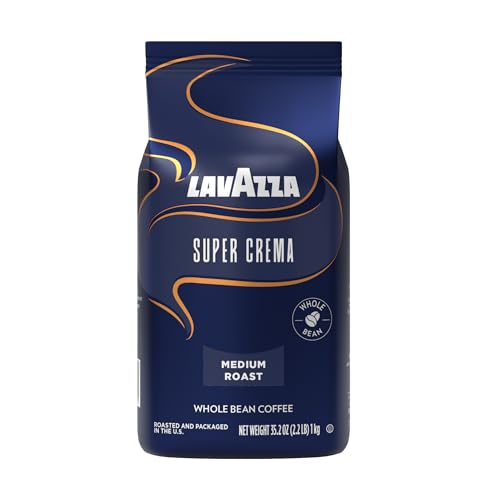
| Lavazza Super Crema Whole Bean | Smooth, mellow cups with low acidity | Medium roast blend with a creamy profile |
| Intelligentsia Black Cat Classic Espresso | Chocolate-forward brews with a syrupy texture | Espresso-style blend that suits full-immersion brewing |
| Counter Culture Coffee Big Trouble | Those who want a bold, cocoa-leaning blend | Dark-leaning blend built for milk drinks and press brewing |
| Kicking Horse Coffee Kick Ass Dark Roast | Organic-minded drinkers who want a strong cup | Organic certification and dark roast body |
| Lavazza Gold Selection Whole Bean | Mild, approachable everyday coffee | Light-to-medium roast with gentle sweetness |
Death Wish Coffee Dark Roast Whole Bean
This is a fit for drinkers who want a strong, heavy-bodied cup and don’t mind a bitter edge. The dark roast and full immersion of a French press combine to produce a thick mouthfeel that many people enjoy.
Key specs
- Roast level: dark
- Format: whole bean
- Marketed as a high-caffeine blend
Pros
- Bold body that holds up to milk and sugar
- Consistent dark roast character
- Easy to find in standard 12 oz and larger bags
Cons
- Can taste harsh if over-steeped
- Limited nuance for drinkers who prefer fruit or floral notes
Peet’s Coffee Major Dickason’s Blend
Suited to drinkers who want the classic deep, dark-chocolate and roasted-nut profile associated with a traditional dark roast. It rewards a slightly coarser grind and a four-minute steep.
Key specs
- Roast level: dark
- Format: whole bean
- Blend of Latin American and other origins
Pros
- Balanced dark roast with chocolate and spice notes
- Reliable, long-established roaster
- Works well for both black coffee and milk drinks
Cons
- Less acidity and brightness than lighter roasts
- Can taste flat if the beans are stale
Stumptown Coffee Roasters Hair Bender
A versatile choice for people who brew several ways and want one bag that works across methods. It leans toward a medium-dark profile with enough sweetness to keep a press cup from tasting one-dimensional.
Key specs
- Roast level: medium-dark
- Format: whole bean
- Multi-origin blend
Pros
- Balanced sweetness and body
- Works across French press, drip and pour-over
- Well-regarded roaster with a clear house style
Cons
- Less bold than a true dark roast for those who prefer intensity
- Flavor can vary slightly between bag lots
Lavazza Super Crema Whole Bean
Best for people who want a smooth, creamy, low-acid cup without sharp fruit notes. It suits anyone who finds lighter single-origin coffees too bright in a press.
Key specs
- Roast level: medium
- Format: whole bean
- Blend designed for a creamy texture
Pros
- Mellow, low-acid profile
- Creamy body that suits French press well
- Widely available
Cons
- Limited complexity for experienced coffee drinkers
- Flavor leans toward roasted sweetness rather than origin character
Intelligentsia Black Cat Classic Espresso
This blend is a strong pick for drinkers who like chocolate, caramel and syrupy body in their coffee. Because it is roasted for espresso, it brews into a rich, concentrated press cup, though you may want to reduce the dose slightly.
Key specs
- Roast level: medium-dark to dark
- Format: whole bean
- Espresso-oriented blend
Pros
- Heavy, syrupy body in a press
- Chocolate and caramel sweetness
- Strong reputation within specialty coffee circles
Cons
- Can taste overly intense at standard press ratios
- Less suited to drinkers who want bright, fruity notes
Counter Culture Coffee Big Trouble
A good match for drinkers who want a bold, cocoa-leaning cup that still feels round and smooth. It works well for those who brew a strong press and add milk.
Key specs
- Roast level: dark-leaning
- Format: whole bean
- Blend built for milk-based drinks
Pros
- Rich cocoa character
- Holds flavor well with milk
- Clear roast profile for consistent results
Cons
- Can be too heavy for drinkers who prefer light coffee
- Limited fruit and floral expression
Kicking Horse Coffee Kick Ass Dark Roast
Aimed at drinkers who want an organic-certified dark roast with a strong, full-bodied profile. It suits people who value sourcing transparency alongside a robust cup.
Key specs
- Roast level: dark
- Format: whole bean
- Organic certified
Pros
- Organic certification
- Bold, consistent dark roast body
- Clear sourcing information on the bag
Cons
- Roasty and smoky notes may dominate lighter palates
- Can taste bitter with a long steep
Lavazza Gold Selection Whole Bean
A gentle, approachable option for everyday press coffee. It fits people who want a mild, sweet cup and are not chasing intensity.
Key specs
- Roast level: light to medium
- Format: whole bean
- Blend with mild, sweet character
Pros
- Mild, easy-drinking profile
- Lower bitterness than dark roasts
- Good starter bean for new press users
Cons
- Body may feel thin to people who like a heavy press
- Limited complexity for experienced drinkers
Buying Guide
The right bag for a French press depends on a handful of practical factors. Understanding these will help you choose well regardless of brand.
Selection criteria
- Roast level: Darker roasts produce heavier, more bitter cups and suit the press’s full body. Medium roasts give more balance. Light roasts can taste thin unless you adjust your steep.
- Freshness: Look for a roast date. Beans are generally at their best within a few weeks of roasting.
- Origin and blend: Single-origin coffees show fruit and floral character. Blends are designed for consistency and body.
- Whole bean: Whole beans let you control grind size, which matters a great deal for press brewing.
Important features
For French press, grind size matters more than most bean features. A coarse grind, roughly the texture of sea salt or coarse sand, prevents over-extraction and sediment in the cup. Many people who buy pre-ground coffee find the fines pass through the metal filter, leaving a gritty result. Buying whole beans and grinding just before brewing is the most reliable approach. For a deeper look at grind settings, see How to Grind Coffee Beans: A Step-by-Step Guide for Home Brewers.
Specs to check
- Roast date (not just a “best by” date)
- Roast level stated on the bag
- Origin or blend description
- Whole bean vs. pre-ground
- Certifications such as organic, if that matters to you
To understand how origin and species affect flavor, read Where Do Coffee Beans Come From? Regions, Species and Altitude and Types of Coffee Beans: Arabica, Robusta and More Explained.
Choosing by need
- Bold, strong cup: Look at dark roasts and dark-leaning blends.
- Smooth, low-acid cup: Medium roasts and creamy blends work well.
- Versatility across brewers: Medium-dark multi-origin blends are a practical choice.
- Mild, everyday coffee: Light-to-medium blends with gentle sweetness suit most beginners.
For a step-by-step process once you have your beans, see How to Make French Press Coffee: 8 Steps to a Better Cup and How to Use a French Press: Grind, Steep, Plunge.
Things to watch out for
- Pre-ground coffee sold as “French press grind” can still contain too many fines.
- Very dark roasts can taste burnt if the steep runs long.
- Beans lose aroma quickly after opening. Store them airtight and away from heat and light; How to Store Coffee Beans So They Stay Fresh covers this in detail.
- Water quality affects taste. Water for Coffee: Quality, Filtering and Temperature explains what to look for.
FAQ
What is the best roast level for French press?
Medium to dark roasts are the most common choice because the press’s full immersion and metal filter bring out body and sweetness. Lighter roasts can work too, but they usually need a slightly longer steep or finer adjustments to avoid tasting thin.
Should I buy whole beans or pre-ground coffee for a French press?
Whole beans are generally better. A French press needs a coarse, even grind, and pre-ground coffee is often inconsistent and contains fine particles that slip through the filter. Grinding just before brewing gives the cleanest result.
How long should I steep coffee in a French press?
Most guides suggest about four minutes at a water temperature near 200°F (93°C). Adjust from there based on taste: a shorter steep reduces bitterness and body, while a longer one increases both.
Do dark roast beans taste better in a French press?
Not necessarily better, but they are often preferred because they match the press’s heavy body. Drinkers who like bright, fruity coffee may find medium or light roasts more enjoyable, even if they take a little more care to brew.
How fresh should coffee beans be for French press?
Beans are generally at their best within a few weeks of the roast date. Check the bag for a roast date rather than relying on a best-by date, and store beans airtight away from heat and light.
Can I use espresso beans in a French press?
Yes. Espresso blends are roasted darker and often produce a heavy, syrupy cup in a press. Many people reduce the dose slightly, since espresso beans can taste intense at standard ratios.
Is organic coffee better for French press brewing?
Organic certification relates to how the beans are grown, not how they brew. It may matter for sourcing preferences, but it does not directly change extraction in a French press. Choose based on the roast and flavor profile you enjoy.
Conclusion
For the most reliable French press results, buy whole beans with a clear roast date, grind them coarse, and choose a roast that matches your taste. Dark roasts such as the Death Wish Coffee Dark Roast Whole Bean and the Peet’s Coffee Major Dickason’s Blend suit drinkers who want a bold, heavy cup. Medium-dark and versatile blends, including the Stumptown Coffee Roasters Hair Bender, fit people who brew several ways. The Lavazza Super Crema Whole Bean and the Lavazza Gold Selection Whole Bean lean toward smooth, mild cups for everyday drinking. Espresso-style options like the Intelligentsia Black Cat Classic Espresso and the Counter Culture Coffee Big Trouble work well for rich, chocolate-forward brews, especially with milk. If you want organic certification alongside a strong dark roast, the Kicking Horse Coffee Kick Ass Dark Roast is worth considering. Start with the roast that matches your preferences, then adjust grind and steep time until the cup tastes right.