As an Amazon Associate I earn from qualifying purchases. This page may contain affiliate links.
Fresh coffee beans for espresso make the difference between a shot that pours syrupy and sweet and one that tastes sour, thin or flat. Espresso magnifies everything. Stale beans lose their aromatics and crema quickly, while beans roasted too recently can gas and channel. This guide looks at what to prioritize when you shop, from roast date and origin to roast level and bag format, and then compares seven options that suit different home setups and taste preferences. The selection is based on published specifications, brand reputation and common owner feedback patterns. Nothing here comes from our own testing.
Our Top Picks
Quick Comparison
| Product | Best for | Key feature |
|---|---|---|
| Counter Culture Coffee Hologram Espresso | Classic sweet, chocolate-forward shots | Blend designed for espresso with a clear roast date |
| Intelligentsia Black Cat Classic | Milk drinks with a bold, caramel body | Traditional espresso blend, medium-dark roast |
| Stumptown Hair Bender | Everyday espresso with wide flavor range | Multi-origin blend, widely available |
| Lavazza Super Crema Whole Bean | Creamy, mild shots and budget-minded buyers | Consistent blend with a soft, nutty profile |
| Illy Classico Whole Bean | Smooth, low-acid shots | Arabica-only blend in a pressurized, nitrogen-flushed can |
| Verve Streetlevel | Bright, fruit-forward espresso | Single-origin-leaning blend with lighter roast options |
| Peet’s Coffee Espresso Roast | Dark, bittersweet shots with strong body | Deep roast with a dependable flavor profile |
Counter Culture Coffee Hologram Espresso
This suits home baristas who want a classic, chocolate-and-caramel espresso that works well both straight and in milk. It is a good starting point if you are still learning dose and grind adjustments, because the blend is designed to be forgiving.
Key specs
- Espresso-designed blend
- Whole bean, roasted to order by the brand
- Roast date printed on the bag
- Resealable bag with one-way degassing valve
Pros
- Sweet, balanced profile that suits most machines
- Clear roast date makes freshness easy to check
- Works well for milk drinks
Cons
- Flavor can feel muted for fans of bright, fruity coffees
- Availability can vary depending on your region
Intelligentsia Black Cat Classic
Owners who make cappuccinos and lattes often choose this blend for its dense, chocolatey body. It is a traditional-style espresso that cuts through milk well.
Key specs
- Espresso blend, medium-dark roast
- Whole bean
- Roast date listed on packaging
- Designed for espresso machines
Pros
- Full body that holds up in milk
- Caramel and cocoa notes are easy to pick out
- Consistent bag to bag, according to frequent buyers
Cons
- Roast is dark enough that it can taste bitter if over-extracted
- Less suited to light, single-origin style shots
Stumptown Hair Bender
This is a versatile everyday espresso for people who want one bag that works for both straight shots and milk drinks. It is a common choice for buyers who prefer a blend over rotating single origins.
Key specs
- Multi-origin espresso blend
- Medium to medium-dark roast
- Whole bean
- Roast date included on bag
Pros
- Broad flavor range that suits many palates
- Widely available through retailers
- Good balance of sweetness and body
Cons
- Blend character can shift slightly over time as components change
- Not as bright as lighter-roasted espresso options
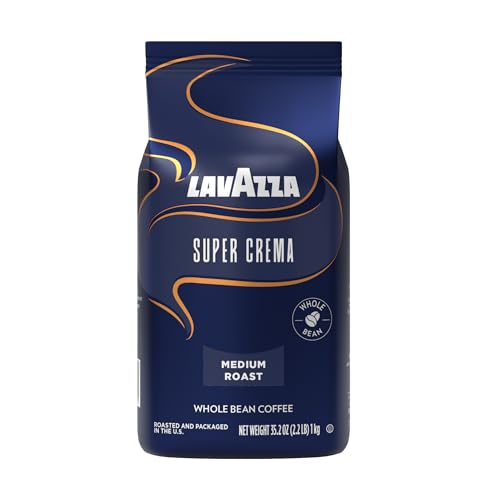
Lavazza Super Crema Whole Bean
Buyers who want a mild, creamy espresso with minimal fuss often pick this one. It is a practical choice if you make many shots for a household and want predictable results.
Key specs
- Blend of arabica and robusta
- Medium roast
- Whole bean
- Vacuum or valve-sealed packaging, depending on size
Pros
- Produces a thick, persistent crema
- Mild, low-bitterness cup
- Good value for high-volume brewing
Cons
- Robusta content gives a heavier, less nuanced flavor
- Roast date is harder to find than on specialty bags
Illy Classico Whole Bean
This suits people who want a smooth, low-acid espresso and do not mind a rounder, less complex profile. Owners often mention its consistency as a reason they keep buying it.
Key specs
- 100% arabica blend
- Medium roast
- Whole bean, nitrogen-flushed can
- Designed to preserve aroma after opening
Pros
- Smooth, low-acid cup
- Can packaging helps protect aroma between uses
- Consistent profile from batch to batch
Cons
- Flavor is subdued compared with bolder specialty blends
- Can format is less convenient for some grinders
Verve Streetlevel
Home baristas who enjoy fruit-forward, bright espresso often shortlist this blend. It rewards careful dosing and grind adjustment and is a good pick for people who already own a capable grinder.
Key specs
- Espresso blend with a lighter-leaning roast
- Whole bean
- Roast date printed on the bag
- Resealable packaging
Pros
- Bright acidity with berry and citrus notes
- Clear roast dating supports freshness checks
- Good choice for experimenting with extraction
Cons
- Can taste sour if under-extracted
- Less forgiving for beginners using basic grinders
Peet’s Coffee Espresso Roast
Drinkers who like dark, bittersweet espresso with a heavy body often choose this roast. It stands up well to milk and is a familiar option for people who grew up with darker roasts.
Key specs
- Dark roast blend
- Whole bean
- Resealable bag with valve
- Roast date listed on packaging
Pros
- Strong, dependable body
- Pairs well with milk
- Easy to find in many stores
Cons
- Dark roast can mask origin character
- Can taste ashy or bitter if the grind is too fine
Buying Guide
Choosing good beans for espresso comes down to a few measurable factors. Learning to read a bag will help you compare options quickly, and the principles below apply whether you buy from a specialty roaster or a grocery brand. For a deeper look at packaging terms, see Buying Coffee Beans: How to Read a Coffee Bag.
Selection Criteria
The main factors that affect espresso quality are roast date, roast level, bean origin and blend structure, and packaging. Roast date matters most. Espresso is generally best within a few weeks of roasting, and many roasters recommend using beans within about two to four weeks of the roast date. Beans that are too fresh, usually within a few days, can release a lot of CO2 and produce uneven extraction, so a short rest is often helpful.
Important Features
- Roast date: Look for a specific date, not just a “best by” window.
- Roast level: Medium to dark roasts are the most common for espresso. Lighter roasts are possible but demand more precise dialing.
- Blend or single origin: Blends tend to be more consistent. Single-origin espresso can be more expressive but varies more.
- Packaging: One-way valves help release gas without letting oxygen in. Nitrogen-flushed cans protect aroma after opening.
- Whole bean: Always buy whole bean and grind just before brewing.
Specs to Check
- Roast date (day, month and year)
- Roast level or roast profile description
- Origin or blend components
- Net weight and resealing method
Choosing by Need
If you make milk drinks most of the time, a medium-dark or dark espresso blend usually holds up better in milk. If you enjoy straight espresso and want fruit or floral notes, look for lighter-roasted or single-origin options and be prepared to adjust your grind. For high-volume household use, consistent blends with a broad roast window are easier to manage.
Things to Watch Out For
- Bags with no roast date, or only a “best by” date far in the future
- Pre-ground coffee sold as espresso, which loses aroma quickly
- Oily surfaces on very dark beans, which can indicate age or over-roasting
- Assuming dark roast means better espresso; it often just hides flavor
For storage tips after you open a bag, read How to Store Coffee Beans So They Stay Fresh. Dialing in your shot also depends on your grinder. The guide to How to Grind Coffee Beans: A Step-by-Step Guide for Home Brewers covers grind size basics that apply directly to espresso.
FAQ
How fresh should coffee beans be for espresso?
Most roasters suggest using espresso beans roughly 5 to 21 days after roasting, though preferences vary. Very fresh beans can be gassy and may need a short rest before they extract evenly.
Should I buy light, medium or dark roast for espresso?
Medium and medium-dark roasts are the most common choice because they are forgiving and produce balanced shots. Lighter roasts can taste brighter but require more careful dialing in.
Are espresso blends better than single origin?
Blends are generally more consistent and easier for beginners. Single-origin beans can offer more distinct flavors but may need more adjustment to taste their best.
How should I store fresh espresso beans?
Keep beans in an airtight, opaque container away from heat, light and moisture. Avoid the fridge, which can introduce condensation. Only grind what you need for each shot.
Does a valve bag make a difference?
A one-way valve lets CO2 escape without letting oxygen in, which helps protect freshness. It is a useful feature, but it does not replace checking the roast date.
Can I use pre-ground coffee for espresso?
You can, but flavor fades quickly after grinding. Whole beans ground just before brewing will almost always taste better and extract more evenly.
What roast date should I look for?
Look for a specific roast date printed on the bag. If you only see a best-by date, it is harder to judge freshness. Buy from roasters who print dates clearly.
Conclusion
For a classic, sweet espresso that works well in milk, the Counter Culture Coffee Hologram Espresso and the Intelligentsia Black Cat Classic are solid starting points. The Stumptown Hair Bender suits people who want a versatile everyday blend. If you prefer a creamy, mild shot in larger quantities, the Lavazza Super Crema Whole Bean is practical. For smooth, low-acid espresso, the Illy Classico Whole Bean is a consistent choice. Adventurous drinkers who enjoy bright, fruit-forward shots may prefer the Verve Streetlevel, while those who want dark, bittersweet body will likely favor the Peet’s Coffee Espresso Roast. Whichever you choose, check the roast date, buy whole beans, and grind fresh for every shot.